

Ukraine Advances Legislation to Establish Independent Space Force
Ukraine is moving to establish a sovereign Space Force to secure independent communications and reconnaissance capabilities, reducing reliance on…
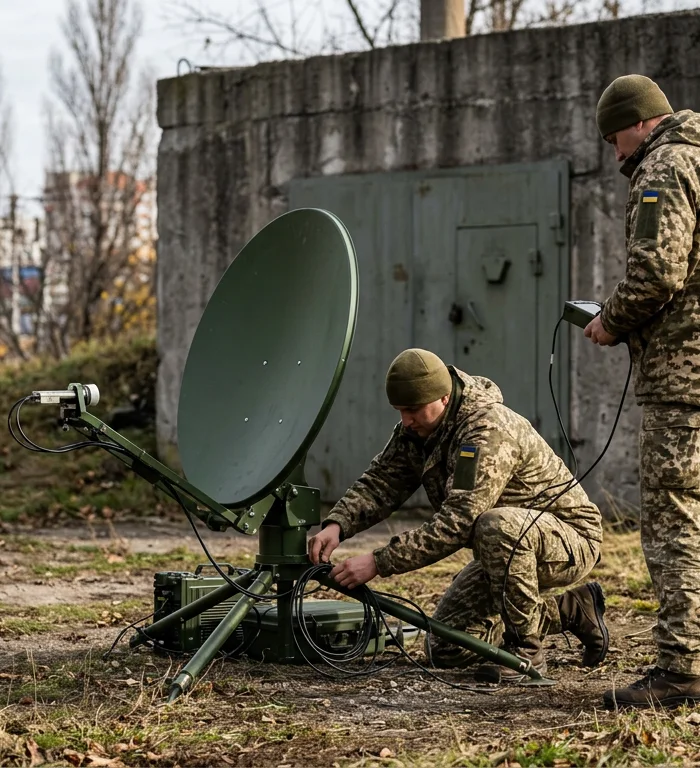
The Ukrainian Parliament has moved to establish a dedicated Space Force, signaling a strategic shift toward sovereign military space capabilities. The legislative proposal, Bill No. 13255, received overwhelming support in an initial vote, with 252 lawmakers backing the measure. The initiative aims to reduce reliance on foreign-operated satellite networks, which have experienced service fluctuations that disrupted frontline military operations.
The proposed Space Force is designed to deliver four core capabilities: independent satellite intelligence and reconnaissance (ISR), a sovereign military communications network, early warning systems for hypersonic missile detection, and future defensive intercept capabilities. Proponents argue that the recent deployment of Russian intermediate-range ballistic missiles has transformed space into a critical combat domain, necessitating a centralized military command rather than the current policy-focused directorate.
Implementation plans involve consolidating existing military assets and Implementation plans involve consolidating existing military assets and leveraging the domestic private sector. While the project faces significant fiscal hurdles, initial estimates suggest that developing a foundational sovereign communications network would require an investment of several hundred million dollars over a multi-year period. The government is currently auditing military facilities for potential repurposing to support this new branch.
This move reflects a broader effort to embed Ukraine within European defense architecture, ensuring operational continuity regardless of external political shifts or potential peace negotiations. The legislation requires a second reading and presidential approval before it can be enacted into law. Observers note that while a full-scale alternative to existing commercial satellite services is not immediately feasible, the development of a modest, sovereign satellite fleet is intended to provide a critical backstop for national security and battlefield intelligence.
More stories
- Germans oppose Ukraine aid as poll shows support slipping
- Kim Jong-un receives 10 envoys after constitutional shift
- Ukraine claims Libya strike sinks Russian naval corvette
- COP31 climate talks collapse over fossil fuels and funds
- Russian military faces 1,087 recorded suicides in Ukraine war
- US faces China, Russia in Africa minerals contest
- Portugal targets more than 20,000 electric cars with subsidies
- Kallas faces EU role doubts after seven-member Ukraine talks snub
- Young French households reach 90.1% of national median income
- Lula wins fourth term in Brazil with 51.8% vote
Latest news
- Trump prepares tariffs on China and other major exporters
- New-car buyers pay record average $50,087 in October
- Banks face ECB reserve debate over liquidity and profits
- Investors see Anthropic debut gains fade below $83 a share
- Iraq orders federal control over Kurdish-area oilfields
- Nvidia shares retreat as AI rally cools before PCE data
- Macy’s parade faces balloon limits as storm winds approach