

Rural Voter Shift Impacts US Legislative Control and Economic Policy
A significant shift in rural voting patterns, driven by rising agricultural costs and inflation, has resulted in a Democratic majority in both chambers of…
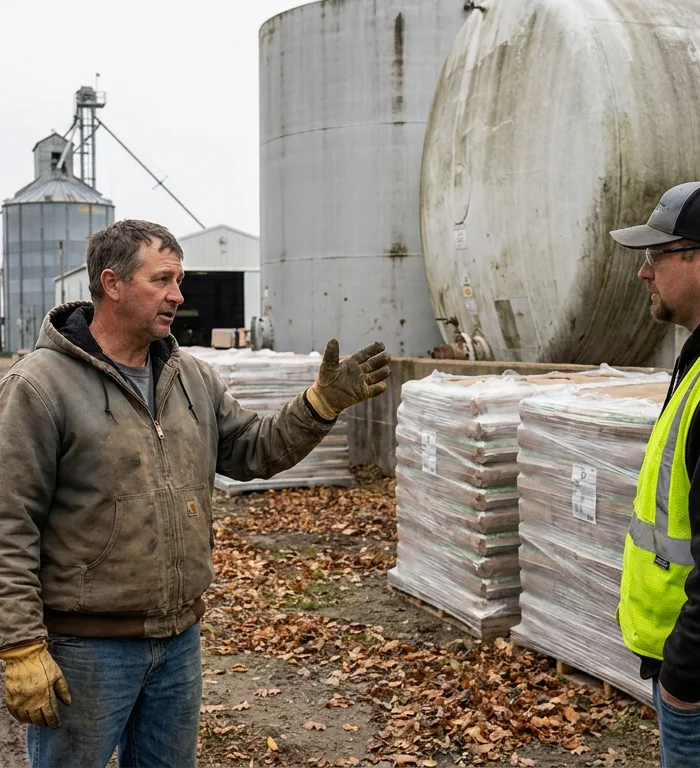
The 2026 midterm elections resulted in a significant contraction of the Republican Party's rural support base, facilitating a Democratic majority in both chambers of Congress. Republicans maintained a 16-point lead among rural voters, a sharp decline from the 32-point margin recorded in 2024. This shift mirrors the 14-point margin observed during the 2018 election cycle and enabled Democratic victories in historically Republican-leaning states, including Iowa, Kansas, and Texas.
Economic pressures are identified as the primary driver for this political realignment. Elevated operational costs for the agricultural sector, exacerbated by geopolitical instability in the Middle East, have severely impacted rural household solvency. Disruptions to global shipping lanes in the Strait of Hormuz contributed to a surge in nitrogen fertilizer prices, which rose from approximately $475 per ton to $673 per ton following February 2026. Concurrently, diesel fuel prices in rural regions climbed from an average of $3.60 per gallon to a peak of approximately $6.68 per gallon in the Midwest by October.
Department of Agriculture projected to decline by 5
Trade policy and inflationary trends further strained the rural economy. Tariffs on imported equipment and ongoing trade disputes with major agricultural export markets have suppressed net farm income, which the U.S. Department of Agriculture projected to decline by 5.5% in 2026 to $158.4 billion. Financial distress is increasingly evident in the sector, with federal data recording 292 Chapter 12 farm bankruptcies through the first three quarters of 2026.
Institutional risk remains elevated as the political shift suggests a potential mandate for policy adjustments regarding trade, energy, and agricultural subsidies. The erosion of the Republican rural advantage indicates that cost-of-living concerns have superseded traditional partisan loyalties in key electoral districts. Policymakers should anticipate increased legislative pressure to address rural economic instability, as the current trend suggests that rural voters are increasingly responsive to economic performance metrics over established party platforms.
More stories
- Trump staff shake-up puts Miller in Wiles’ White House position
- Stephen Miller succeeds Wiles as White House chief of staff
- Raman wins Los Angeles mayor race as Bass concedes defeat
- 2026 midterms squeeze GOP margins across deep red states
- Democrats hold Michigan Senate seat with El-Sayed victory
- Democrats face limits on gains as midterm voting arrives
- Trump Weighs 250 Pardons for America’s 250th Birthday
- Trump Plan to Oust Makary Puts FDA, Biotech in Focus
Latest news
- AI bots disrupt university libraries with 11,000-search surge
- OpenAI and Anthropic face AI spend slowdown to 1.5%
- Poland starts 2 days of mourning over 6 Krakow deaths
- Home Office faces suit over almost 1,500 EU residency cases
- Kalshi faces state gambling laws after two appeals losses
- Uganda ties construction push to $500bn economy target
- MaxxBench exposes 23-point coding-agent gap in revised tests
- Armenia faces EU democracy test over opposition cases