

North Korea Rejects Diplomatic Overtures as Nuclear Arsenal Expands
North Korea has rejected U.S. diplomatic overtures as its nuclear arsenal grows, forcing a reassessment of long-standing denuclearization policies amid…
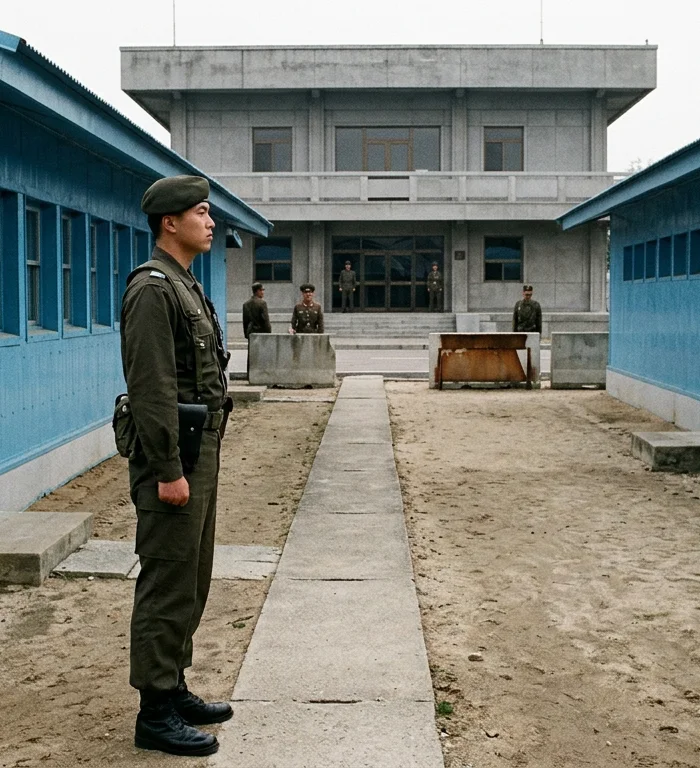
Recent attempts by the U.S. administration to re-establish direct communication with North Korean leadership have failed, signaling a continued breakdown in diplomatic engagement. Despite efforts to arrange high-level meetings during a recent presidential trip to Asia, North Korean officials imposed conditions deemed unacceptable by Washington. This lack of engagement persists as the North Korean nuclear arsenal is estimated to have expanded from approximately 20–30 warheads in 2019 to roughly 60 today.
Intelligence assessments indicate that the North Korean regime has no intention of negotiating the dismantlement of its strategic weapons programs. Pyongyang has instead prioritized the development of solid-fuel intercontinental ballistic missiles capable of reaching the U.S. mainland. The regime has bolstered its domestic resilience through strategic alignment with Moscow and the illicit acquisition of funds via large-scale cryptocurrency theft.
North Korean
Internal policy shifts within the U.S. government reflect the increasing difficulty of the current security environment. The administration has left the special envoy role for North Korea vacant, and recent national security strategy documents have omitted references to the long-standing goal of denuclearization. While officials have explored alternative proposals—including a formal end to the Korean War or the establishment of liaison offices—these options remain unverified and carry significant geopolitical risk.
Any move to recognize North Korea as a nuclear-armed state or to abandon the pursuit of denuclearization would represent a fundamental shift in U.S. foreign policy. Such a transition risks undermining the security assurances provided to regional allies, specifically South Korea and Japan. As the regime continues to demand recognition as a nuclear power, the prospect of a peaceful, non-nuclear resolution appears increasingly unlikely, leaving the U.S. to manage a persistent and evolving nuclear threat.
More stories
- Germans oppose Ukraine aid as poll shows support slipping
- Kim Jong-un receives 10 envoys after constitutional shift
- Ukraine claims Libya strike sinks Russian naval corvette
- COP31 climate talks collapse over fossil fuels and funds
- Russian military faces 1,087 recorded suicides in Ukraine war
- US faces China, Russia in Africa minerals contest
- Iran's attacks hit 25 tankers near Strait of Hormuz
- Russia strikes Ukraine as Odesa faces electricity strain
- Botswana ranks last for feeling safe after dark at 28%
- Connected Advocacy and 7 partners seek local climate finance control
Latest news
- Trump prepares tariffs on China and other major exporters
- New-car buyers pay record average $50,087 in October
- Banks face ECB reserve debate over liquidity and profits
- Investors see Anthropic debut gains fade below $83 a share
- Iraq orders federal control over Kurdish-area oilfields
- Nvidia shares retreat as AI rally cools before PCE data
- Macy’s parade faces balloon limits as storm winds approach