

Indian Judiciary Faces Scrutiny Over Intervention in Religious Doctrine
The Indian judiciary is re-evaluating its authority to define religious doctrine, a practice that has historically led to significant legal and social…
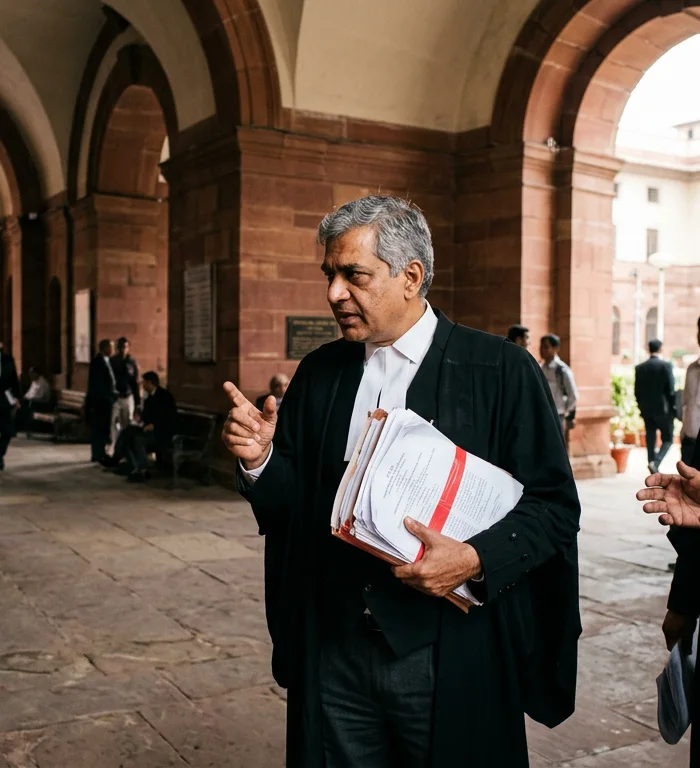
The Indian judiciary’s increasing involvement in defining religious doctrine and practice has created significant legal and political friction. While Article 25 of the Indian Constitution permits state regulation of secular activities and social reform, the courts have expanded this mandate to include the interpretation of theological tenets. This interventionist approach is largely facilitated by the 'Essential Religious Practices' (ERP) doctrine, established in the mid-20th century, which empowers judges to distinguish between core religious requirements and non-essential customs.
Recent judicial rulings have highlighted the risks associated with this authority. In October 2026, the Supreme Court addressed the intersection of caste-based affirmative action and religious conversion, necessitating a judicial analysis of Islamic theology regarding human equality. Similarly, high courts have previously weighed in on the validity of proselytization claims and the religious necessity of specific customs, such as the hijab or temple entry restrictions. These actions have drawn criticism from both secular constitutionalists and religious traditionalists who argue that courts lack the theological expertise to adjudicate matters of faith.
This judicial overreach has led to inconsistent outcomes and heightened social tension. By positioning themselves as arbiters of religious authenticity, courts have frequently alienated the communities they seek to regulate. The resulting legal uncertainty complicates the governance of religious institutions and the administration of rights tied to collective identities.
Currently, the Supreme Court is re-evaluating the ERP doctrine and the extent of its own jurisdiction regarding religious affairs. The outcome of this review will determine whether the judiciary will maintain its role as a primary regulator of religious practice or adopt a more restrained approach. Policymakers and financial stakeholders should monitor these proceedings, as they will define the future boundary between state authority and religious autonomy in India.
More stories
- Germans oppose Ukraine aid as poll shows support slipping
- Kim Jong-un receives 10 envoys after constitutional shift
- Ukraine claims Libya strike sinks Russian naval corvette
- COP31 climate talks collapse over fossil fuels and funds
- Russian military faces 1,087 recorded suicides in Ukraine war
- US faces China, Russia in Africa minerals contest
- Europe to join next Ukraine talks, Kushner says
- Melaka vote puts living costs before 687,697 voters
- Ethiopia's coffee sector faces $453m EU export risk
- EU faces Vietnam rights test over $57.9bn trade gap
Latest news
- Trump prepares tariffs on China and other major exporters
- New-car buyers pay record average $50,087 in October
- Banks face ECB reserve debate over liquidity and profits
- Investors see Anthropic debut gains fade below $83 a share
- Iraq orders federal control over Kurdish-area oilfields
- Nvidia shares retreat as AI rally cools before PCE data
- Macy’s parade faces balloon limits as storm winds approach