Houthi Offensive Displaces 80,000 in Yemen Amid Escalating Coastal Fighting
Yemen's Houthi forces have displaced over 80,000 people amid intensified fighting and new territorial gains, threatening fragile peace initiatives.
Omar Farouk ·
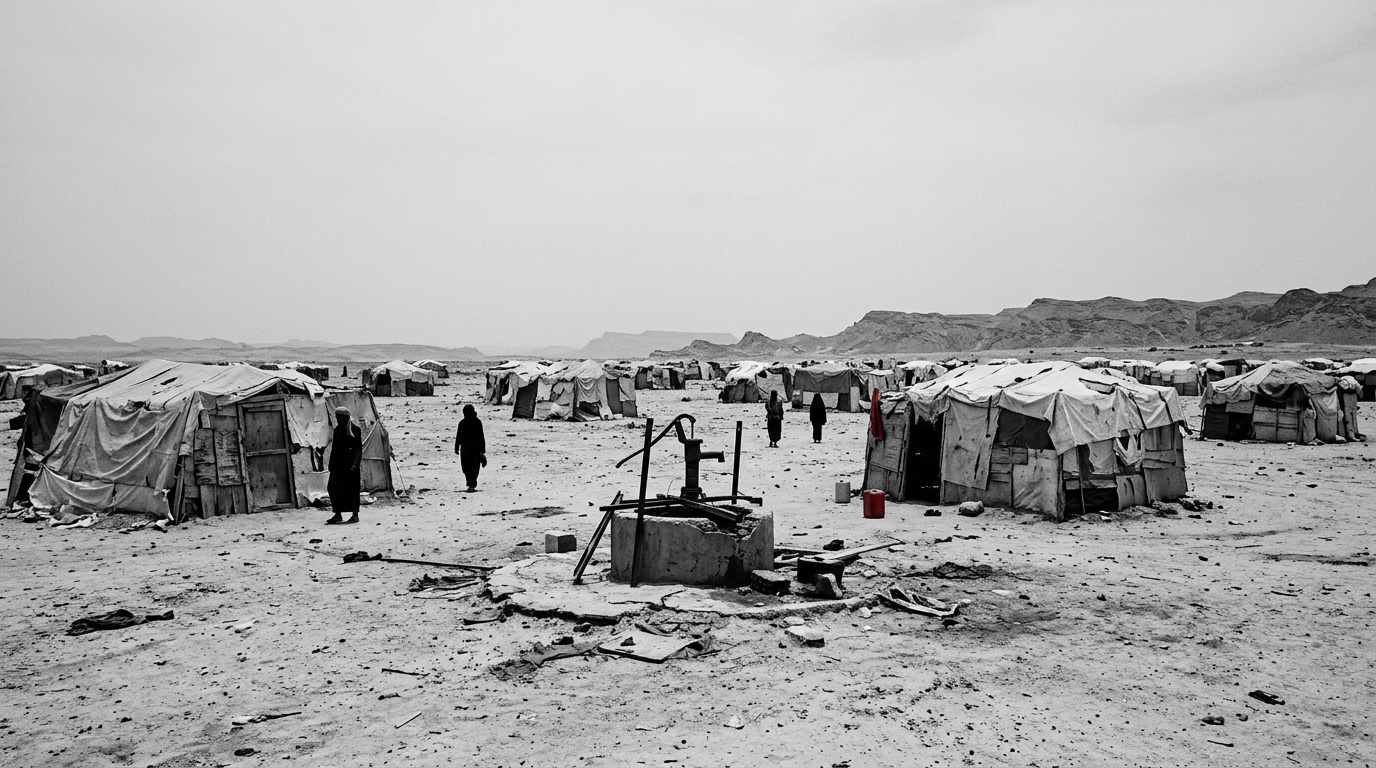
New Houthi Gains Along Red Sea Coast
Yemen's Houthi forces have displaced over 80,000 individuals following an intensified offensive across several regions, including significant advances along the Red Sea coast. This surge in fighting challenges recent diplomatic efforts to de-escalate the country's nine-year civil conflict, according to Houthi military reports and humanitarian assessments.
Yemen's Enduring Conflict Roots
The current conflict began in late 2014 when the Houthis, an armed movement from northern Yemen, seized the capital, Sana'a. This action led to the intervention of a Saudi-led coalition in March 2015, aiming to restore the internationally recognized government. The coalition includes Gulf Cooperation Council (GCC) members, primarily Saudi Arabia and the United Arab Emirates, and receives logistical support from Western nations.
New Houthi Gains Along
The Houthis, officially known as Ansar Allah, trace their origins to a Zaidi Shi'a revivalist movement. They control significant population centers and strategic areas, including the Red Sea port of Hodeidah. Iran is widely accused by the Saudi-led coalition and Western intelligence agencies of providing military and financial support to the Houthi movement, though both Tehran and the Houthis deny direct military supply lines.
Humanitarian Crisis Deepens
Yemen's civil war has triggered one of the world's worst humanitarian crises, with millions facing food insecurity and displacement. Over 4 million Yemenis have been displaced since the conflict began, according to the United Nations. Previous UN-brokered ceasefires, including a six-month truce in 2022, have offered temporary respites but failed to secure a lasting political settlement, leaving peace efforts in a precarious state.
The strategic Bab al-Mandab Strait, a crucial global shipping lane connecting the Red Sea to the Indian Ocean, remains a focal point of regional and international concern. Houthi control or influence over coastal areas near the strait directly impacts maritime security, threatening commercial shipping and escalating tensions, as evidenced by recent attacks on vessels.
Regional Spillover and Global Implications
Escalated fighting along the Red Sea coast could The renewed Houthi offensive directly impacts regional stability and international shipping lanes. Escalated fighting along the Red Sea coast could further disrupt global trade routes, potentially affecting oil prices and insurance premiums for vessels transiting the Bab al-Mandab Strait and the Suez Canal. This instability complicates a broader regional de-escalation trend, particularly following the Saudi-Houthi rapprochement talks facilitated by Oman. The humanitarian toll of sustained conflict could also exacerbate refugee flows, placing additional strain on neighboring countries and international aid organizations. The conflict's persistence allows for continued proxy competition between regional powers, primarily Iran and Saudi Arabia, impacting wider Middle East security dynamics and the prospects for broader diplomatic engagement. Navigating Future Pathways Observables for the coming weeks include any specific retaliatory actions from Saudi-backed forces or direct statements from UN envoys. Should the Houthi offensive continue and threaten strategic locations, regional powers may be compelled to intervene more directly or peace talks could stall indefinitely. Conversely, if fighting subsides quickly or a new ceasefire is brokered, it could indicate the current push was a tactical maneuver rather than a sustained effort to alter the war's trajectory.