

Central European Queer History Challenges Regional Political Narratives
Historical and cultural analysis reveals that queer subcultures in Central Europe are deeply rooted, challenging political narratives that frame…
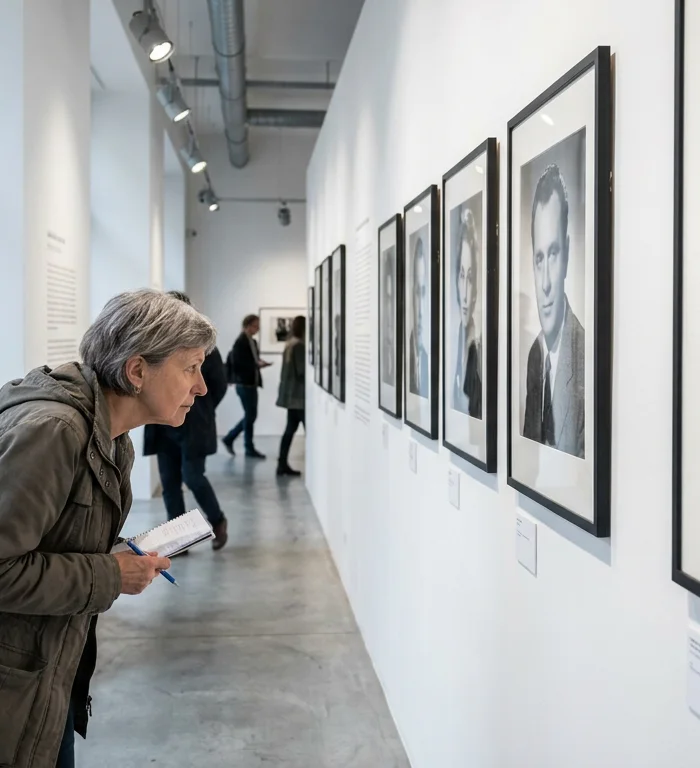
Recent literary and historical analysis indicates that Central European queer subcultures possess deep historical roots that predate the post-1989 era. This research challenges the prevailing political narrative in countries such as Hungary, Czechia, and Slovakia, where conservative and far-right factions often characterize homosexuality as a modern, imported influence from Western liberal democracies.
Historical evidence confirms that the region was a significant hub for the development of modern sexual identity. The term "homosexuality" was coined in the 1860s by a Hungarian translator, and the Austro-Hungarian Empire served as a primary center for early sexology. Furthermore, archival records show that cities like Budapest and Prague maintained established cruising networks and private social clubs throughout the 19th and 20th centuries, often operating as tolerated public secrets among urban elites.
Czechoslovakia and Hungary decriminalized male homosexual acts in Legislative history also contradicts the perception of the region as inherently regressive. Czechoslovakia and Hungary decriminalized male homosexual acts in 1961, a timeline that preceded similar legal reforms in several Western European nations. While these developments occurred under state socialism and did not necessarily dismantle broader gender norms, they demonstrate that the region has a long-standing, albeit complex, history of sexual reform and subcultural activity.
These findings are currently being integrated into broader cultural discourse, including contemporary art exhibitions in Prague that examine the evolution of masculinity. For policymakers and analysts, this historical context suggests that current efforts to frame queer identity as a foreign imposition lack empirical support. The persistence of these subcultures despite shifting political regimes highlights a resilient, localized history of social resistance and urban reinterpretation that remains relevant to the region’s ongoing socio-political debates.
More stories
- Laura Brand curbs prison messages after YouTube dispute
- David Parr House to honor Victorian art-workman with blue plaque
- Al-Fatlawi recasts Iraq on screen with about $2.5m debut
- Strictly expands stage for 8 couples in Blackpool return
- Anoop Lokkur seeks backers for $1.3m Bengaluru dark comedy
- Jeff Buckley track tops 500,000 TikTok uses this year
- Lina Jouni turns Lebanese war debris into sculptures
- Russell Brand complainant reports threats after 4-count conviction
Latest news
- Trump prepares tariffs on China and other major exporters
- New-car buyers pay record average $50,087 in October
- Banks face ECB reserve debate over liquidity and profits
- Investors see Anthropic debut gains fade below $83 a share
- Iraq orders federal control over Kurdish-area oilfields
- Germans oppose Ukraine aid as poll shows support slipping
- Kim Jong-un receives 10 envoys after constitutional shift
- Ukraine claims Libya strike sinks Russian naval corvette