

Hezbollah rebuilds Beirut infrastructure as IDF readies for border conflict
Intelligence reports indicate the re-militarization of Beirut as the Israel Defense Forces adjust military readiness for potential northern engagements.
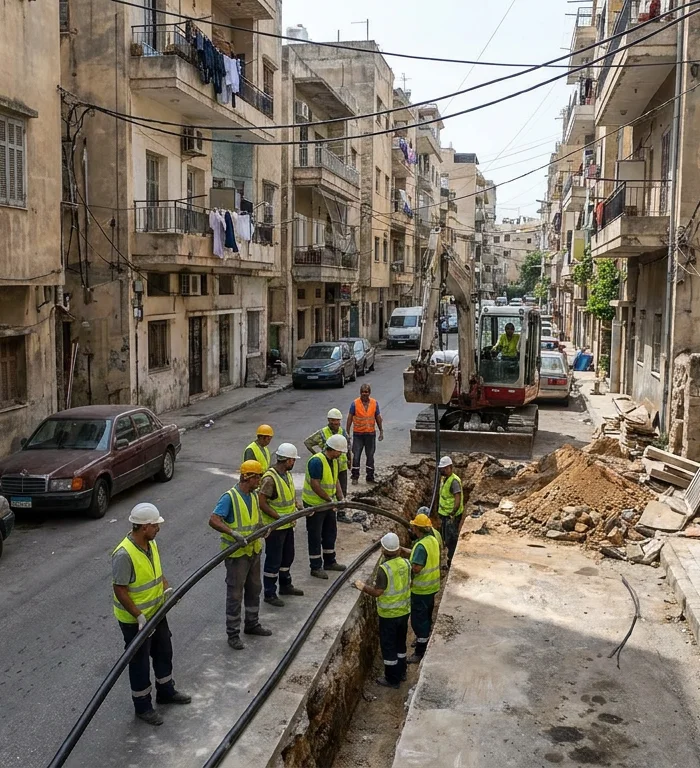
Tactical recovery in Beirut
Hezbollah has begun rebuilding key military infrastructure within Beirut, according to intelligence assessments. The effort marks a shift from defensive posturing to an active re-militarization cycle, as the militant group moves to restore logistical hubs and communications networks damaged in recent regional exchanges.
The Israel Defense Forces (IDF) have responded to these developments by recalibrating their northern security doctrine. Military planners are now preparing for potential escalation if the group extends its operational reach toward Israeli territory, effectively signaling an end to the containment phase that dominated the post-October 7 border status quo.
Urban integration and regional stability
The strategic deployment of missile infrastructure within high-density urban areas like Beirut remains a foundational element of Hezbollah’s operational survival. By embedding assets within residential and civilian zones, the group aims to create high political and moral costs for any potential aerial response.
This integration is complicated by the severe economic fragility within Lebanon. As the state struggles with a long-term liquidity crisis, the government’s capacity to regulate domestic security zones or exert influence over non-state actors has largely eroded, leaving the military and diplomatic calculus to be settled primarily between the IDF and the group itself.
Global macro implications
Renewed large-scale fighting in the Levant carries significant risks for maritime trade and global energy pricing. Any direct military confrontation between the IDF and Hezbollah would likely threaten transit through the eastern Mediterranean, while heightening the prospect of broader regional involvement that could disrupt transit corridors near the Strait of Hormuz.
Beirut Hezbollah
The conflict also introduces risks to regional migration patterns. Sustained periods of high-intensity conflict often force localized displacements, putting additional pressure on already strained social infrastructure in bordering states such as Jordan and Cyprus.
Testing the deterrence boundary
The primary uncertainty facing regional observers is whether the current mobilization by the IDF acts as a functional deterrent or a precursor to preemptive action. The threshold for engagement will likely be defined by the movement of heavy weapons systems out of protected urban storage sites.
Diplomatic mediation channels currently remain the only mechanism preventing an immediate breakdown in the ceasefire along the Litani line. Should these efforts fail to produce visible de-escalation, the probability of targeted strikes against rebuilt logistical hubs in Beirut will rise significantly by the end of 2024.
More stories
- Germans oppose Ukraine aid as poll shows support slipping
- Kim Jong-un receives 10 envoys after constitutional shift
- Ukraine claims Libya strike sinks Russian naval corvette
- COP31 climate talks collapse over fossil fuels and funds
- Russian military faces 1,087 recorded suicides in Ukraine war
- US faces China, Russia in Africa minerals contest
- ECB faces 6.1% Lithuania inflation with 2.50% rate
- Philippine Supreme Court bars Congress budget increases
- Several men arrested in 'major incident' near RAF base in West of England used by US Air Force, homes evacuated - Reports
- Trump Takaichi call puts China coordination back in focus
Latest news
- Trump prepares tariffs on China and other major exporters
- New-car buyers pay record average $50,087 in October
- Banks face ECB reserve debate over liquidity and profits
- Investors see Anthropic debut gains fade below $83 a share
- Iraq orders federal control over Kurdish-area oilfields
- Nvidia shares retreat as AI rally cools before PCE data
- Macy’s parade faces balloon limits as storm winds approach