Trump Takaichi call puts China coordination back in focus
Trump Takaichi call covered a US-China summit, and Japan’s leader said the allies agreed to coordinate on China policy after the meeting.
Mei Lin ·
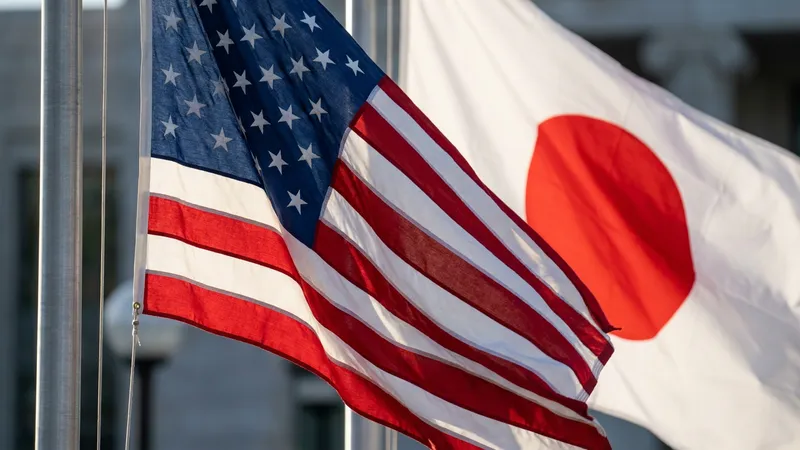
Trump Takaichi call covered one US-China summit, leaving both allies aligned on China coordination after talks earlier this week, Takaichi said.
President Trump spoke by phone with Japanese Prime Minister Sanae Takaichi on September 26, 2026, according to Takaichi’s account of the exchange. Takaichi said Trump gave a detailed explanation of the US-China summit, while the two leaders agreed to collaborate on various issues involving China.
China briefing reaches Tokyo
The call tied Japan directly to Washington’s handling of Beijing after a leader-level US-China meeting. The available details did not disclose the summit’s agenda, participant list, agreements, or whether trade, technology, security, or regional issues dominated the discussion.
The limited disclosure matters for how the message is read. A detailed briefing from President Trump, as described by Takaichi, would give Tokyo earlier access to Washington’s view of any change in the US-China channel.
Alliance coordination frames China policy
Japan’s position gives the call more weight than a routine diplomatic check-in. Tokyo is a US treaty ally and has economic and security exposure to decisions made between Washington and Beijing.
Takaichi’s wording was broad. She said the US and Japan agreed to work together on various China-related issues, but the account did not specify whether that meant trade restrictions, supply chains, defense planning, regional diplomacy, or future leaders’ meetings.
That breadth leaves room for different interpretations, and it makes attribution important. The public facts support a sequence: a US-China summit took place earlier in the week, Trump then briefed Takaichi, and Takaichi described allied coordination afterward.
Early consultation gives policymakers in Tokyo more time to assess whether a US-China understanding affects regional security or commercial rules. For Washington, the call keeps a key Asian ally inside the diplomatic loop as talks with Beijing develop.
Companies wait for policy specifics
No market reaction was provided in the account, and no new tariff, investment, or security measure was disclosed. Without those details, the immediate economic effect is more about diplomatic positioning than a measurable change in trade flows or corporate costs.
For companies exposed to US-China-Japan policy, the practical issue is whether coordination turns into enforceable rules. Technology suppliers, automakers, energy buyers, and logistics firms usually face costs when governments convert diplomatic alignment into export controls, sourcing limits, customs checks, or compliance demands.
Three paths from the call
If the US-China summit produces a steadier negotiating channel, the macro effect would likely be lower policy volatility for trade-linked economies. In that path, Japan’s government would gain more predictable access to Washington’s position, while regional manufacturers would have more time to adjust sourcing and compliance plans.
If Washington and Beijing move toward new restrictions instead, the mechanism would run through tariffs, technology controls, investment screening, or procurement limits. That would raise costs for affected companies, complicate Tokyo’s balancing act, and push sectors tied to semiconductors, autos, shipping, and advanced equipment to review China exposure.
If the summit yields little follow-through, the call may matter chiefly as alliance maintenance. The main open question is whether Trump and Takaichi move from a broad pledge on China to named policy steps, deadlines, or joint statements that can be tested by companies and investors.