Iran’s mistrust warning pushes Trump toward a Gulf deterrence test
Iranian President Masoud Pezeshkian’s distrust of Washington narrows diplomatic space, leaving the White House to weigh deterrence and sanctions.
Lauren Collins ·
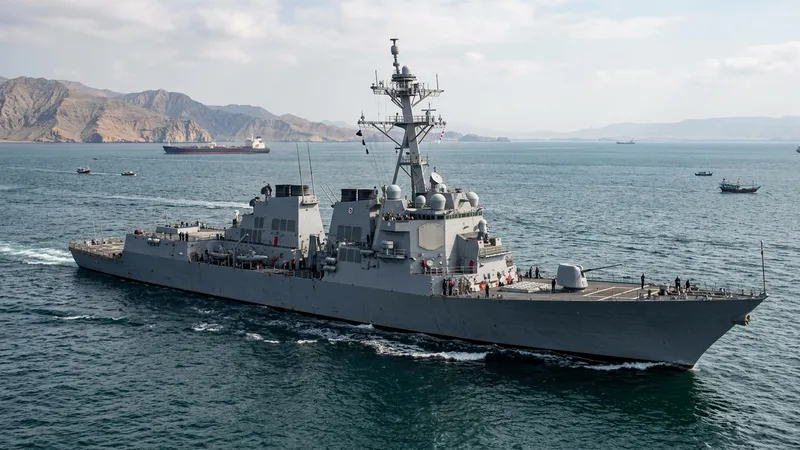
Iran’s mistrust warning pushes Trump toward a Gulf deterrence test
Washington faced a sharper Iran problem on September 26 after President Masoud Pezeshkian said Tehran “no longer trusts” talks with the United States and accused Washington of miscalculating Iran. The statement matters because it gives President Trump’s national security team less room to present diplomacy and deterrence as tracks that can move together.
Pezeshkian also argued that Gulf security should be built through cooperation among regional countries rather than Western-backed guarantees. He blamed the US in connection with the Strait of Hormuz, a waterway whose security sits near the center of any Washington crisis plan for Iran, Gulf Arab partners and global energy markets.
Tehran narrows the diplomatic lane
The immediate signal is political as much as diplomatic. Iran’s president framed talks with the US as untrustworthy, not merely stalled, which raises the cost for any Iranian official who wants to argue publicly for renewed engagement with Washington.
For the White House, that language pushes the policy debate toward deterrence-first messaging. The National Security Council can still preserve indirect channels, including through European or regional intermediaries, but the public posture is likely to put more weight on military readiness, sanctions enforcement and warnings against escalation in the Gulf.
The phrase “miscalculated” also carries a specific audience in Washington. It tells US officials that Tehran wants to portray itself as resilient under pressure and unwilling to bargain under terms it sees as coercive, while warning Congress and allied capitals that tougher measures may not produce quick concessions.
That does not mean talks are impossible. It does mean any new opening would probably need a narrower objective than a full revival of the 2015 nuclear framework: detainees, deconfliction, inspections access or a limited sanctions-for-restraint arrangement could be easier to sell than a broad political bargain.
US-Iran diplomacy has been shaped for years by the breakdown of the nuclear accord and by a recurring mismatch over sequencing. Washington has wanted limits, verification and restraint before major sanctions relief; Tehran has sought proof that economic benefits will arrive before accepting constraints it views as politically costly.
Inside Washington, Iran policy is split across the White House, the State Department, the Treasury Department and the Pentagon. The White House sets the overall line, State manages diplomacy and allied coordination, Treasury drives sanctions enforcement, and the Pentagon plans for deterrence and force protection in the Gulf, Iraq, Syria and nearby waters.
Congress is the other constraint. Lawmakers can press the administration to tighten sanctions, demand briefings on Iran’s nuclear and regional activity, or attack any concession as weak. That pressure matters because any diplomatic channel with Tehran becomes harder to sustain if congressional hearings frame engagement as rewarding threats.
Iranian domestic politics also shape the message. The presidency does not control the entire national security file; the Supreme Leader, the Islamic Revolutionary Guard Corps and parliament all shape the limits of what Tehran can accept. A president who says Iran no longer trusts US talks may be reflecting a broader consensus, trying to protect his political flank, or both.
The Strait of Hormuz makes the dispute bigger than the nuclear file. Any confrontation near that route would force Washington to weigh military signaling against the risk of a cycle of retaliation, while Gulf governments would seek reassurance that US policy can deter disruption without drawing them into a wider conflict.
For oil markets and shipping insurers, the mechanism is straightforward. If threats around Hormuz become more credible, risk premiums can rise even without a confirmed physical closure, because traders and carriers price the possibility of delays, rerouting, higher insurance costs and naval incidents.
The falsifiable test is whether, by December 25, Iranian officials keep saying talks with the US are untrustworthy while Washington leans harder into sanctions and deterrence language without naming a concrete negotiating track. If that holds, the near-term path to a JCPOA-like revival remains blocked, the company-level effect falls most directly on energy, shipping and defense firms exposed to Gulf risk, and the global macro effect is a higher geopolitical premium around oil and maritime insurance. If Iran instead signals openness to limited talks, and the White House indicates selective sanctions relief or another defined concession, the diplomatic track would regain credibility; that would reduce pressure on Gulf-exposed industries and give Washington more room to argue that deterrence is supporting negotiation rather than replacing it.