Putin gets G-20 summit invite to Trump's Doral resort site
The Trump administration invited Vladimir Putin to the December G-20 summit in Florida as US envoys press Russia and Ukraine on a limited ceasefire.
Lauren Collins ·
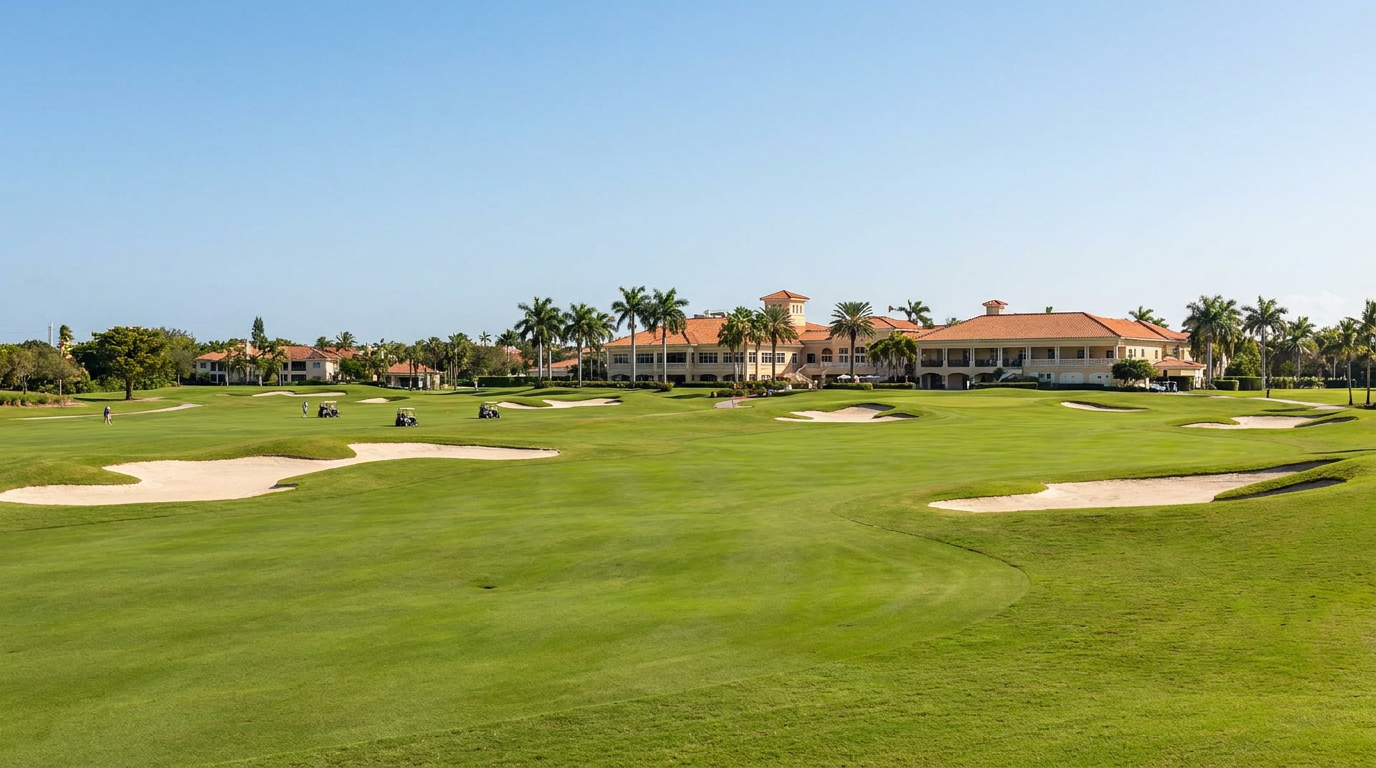
The Trump administration invited Vladimir Putin to the December 14–15 G-20 summit at Trump National Doral, testing diplomacy over Ukraine.
Secretary of State Marco Rubio disclosed the invitation Wednesday in New York after meeting Russian Foreign Minister Sergei Lavrov on the sidelines of the United Nations General Assembly. Rubio said Washington viewed the summit as a venue for Putin to engage not only with President Trump, but also with other leaders.
A Miami seat for Moscow
The invitation would put Putin in the same multilateral room as European governments that have criticized him since Russia's 2022 invasion of Ukraine. The G-20 brings together major economies, including Russia, and its leaders' meetings often carry diplomatic weight beyond the formal agenda.
Putin has not attended a G-20 leaders' meeting since 2019. The Kremlin said earlier this year that he might travel to Miami, might stay away, or might send another Russian representative instead.
Kremlin spokesman Dmitry Peskov said Wednesday that Putin remained prepared to meet Trump if circumstances required it, while adding that no final decision had been made on the format or timing. That leaves the White House with an invitation on the table but no confirmed Russian attendance.
Anchorage left war unresolved
The Florida opening follows an August 2025 summit in Anchorage, Alaska, where Trump and Putin spoke for three hours without moving a Ukraine peace agreement forward. The lack of progress there is the immediate diplomatic backdrop for the renewed push.
Ukrainian President Volodymyr Zelensky met Trump on Tuesday in New York and has said he would travel to Florida to meet Putin if the Russian leader attends. Zelensky's position gives Kyiv a possible seat in any Florida-centered diplomacy, but only if Moscow chooses to appear at leader level.
The White House has also sent Steve Witkoff and Jared Kushner into the process. They met Putin in Moscow this month before traveling to Kyiv with what Trump described as a concrete peace proposal.
Energy targets enter talks
Rubio said after meeting Lavrov that Russia and Ukraine had shown interest in a limited ceasefire covering energy-infrastructure targets. He said the concept had been discussed with both sides, making it one of the few specific elements publicly attached to the current talks.
Such a narrow ceasefire would not settle territorial or security disputes at the center of the war. It would instead test whether the parties can separate attacks on energy systems from the broader conflict, a smaller bargain that could be easier to monitor and harder to translate into a full settlement.
Washington has already reopened some G-20 channels to Moscow. Russian Finance Minister Anton Siluanov attended the finance ministers' meeting in Asheville, North Carolina, this summer, the first in-person Russian participation at that level since the 2022 invasion.
Doral becomes the decision point
If Putin accepts and an energy-infrastructure pause holds, the global effect would be limited but concrete: one channel linking the war to energy-market risk would narrow. Trump National Doral would become the physical site of rare wartime contact, while energy operators and summit-security planners would adjust to a tighter diplomatic calendar.
If Russia sends another representative or the ceasefire idea stalls, the macro effect would be a continuation of current uncertainty rather than a new shock. The White House would keep a G-20 channel open with Moscow, but Kyiv and European governments would have less reason to treat Doral as a venue for decisions on the war.
The central open question is whether Putin's possible attendance becomes a negotiation in itself. For Trump, the invitation offers a visible test of dealmaking; for Ukraine and European allies, the risk is that access to Putin does not translate into terms they can accept.