Hamas Denies October 7 Atrocities Amid Deepening Narrative Rift
Hamas continues to deny allegations of civilian targeting and sexual assault during its October 7 invasion, complicating regional reconciliation efforts and…
Omar Farouk ·
Hamas has persistently denied allegations of targeting civilians, committing sexual assaults, and mistreating hostages during its October 7 invasion into southern Israel, claiming internal investigations have disproven the accusations. These denials persist despite widespread international condemnation and mounting evidence from various independent bodies and testimonies.
Background on October 7 Operation
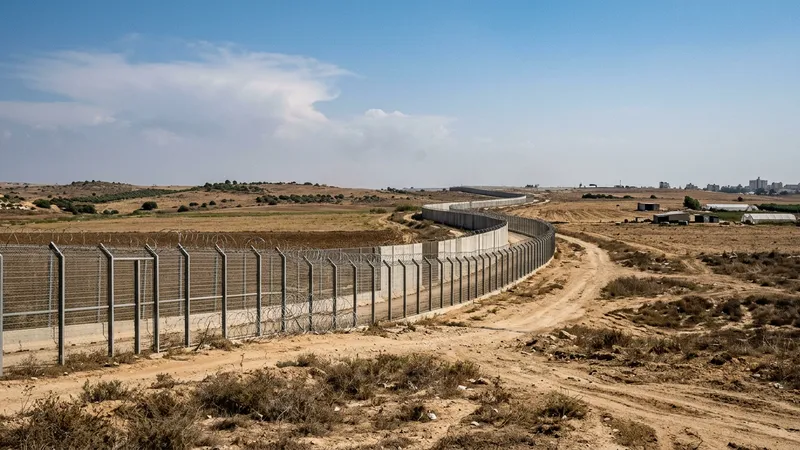
On October 7, 2023, Hamas militants launched a large-scale assault from Gaza into southern Israel, breaching security barriers and attacking numerous communities. Hamas described the operation as a response to the ongoing Israeli occupation and blockade of Gaza. The initial assault resulted in the deaths of approximately 1,200 people in Israel, predominantly civilians, and the capture of over 240 hostages, according to Israeli government figures. Subsequent reports from international organizations and Israeli authorities detailed acts of extreme violence, including sexual assault and torture, which Hamas has consistently rejected as unsubstantiated claims.
Following the October 7 events, international bodies, including the United Nations and human rights organizations, launched investigations into alleged atrocities. A March 2024 UN report, for instance, found "reasonable grounds to believe" that sexual violence, including rape and gang rape, occurred during the attacks, citing survivor testimonies and forensic evidence. Despite these findings, Hamas officials maintain that their fighters exclusively targeted military installations and personnel, asserting that all claims of civilian abuse or sexual violence are Israeli propaganda intended to justify military actions in Gaza. This stance highlights a significant divergence from the international community's conclusions.
Narrative Divide and Regional Implications
The conflicting narratives surrounding the October 7 events have deepened political and social rifts across the Middle East. While some Arab populations initially viewed Hamas's actions as a legitimate resistance against occupation, the accumulating evidence of civilian harm has created discomfort among some regional governments and civil society groups. This narrative chasm impedes diplomatic efforts and complicates humanitarian responses, as it prevents a shared understanding of the conflict's genesis and consequences. The Arab League and Gulf Cooperation Council (GCC) have largely focused condemnation on Israel's subsequent military campaign in Gaza, while often avoiding direct criticism of Hamas's conduct on October 7, further entrenching the divide.
For key actors such as the United States
Globally, the continued dispute over facts strains international relations, particularly concerning the Israeli-Palestinian conflict. The insistence by Hamas on disproving allegations that have been widely accepted by international observers creates a barrier to trust-building, which is essential for any future peace negotiations. For key actors such as the United States and European Union, Hamas's denials challenge their stated commitment to accountability for human rights violations, potentially affecting their engagement with Palestinian political entities. This persistent disagreement over fundamental facts exacerbates the humanitarian crisis in Gaza by hindering unified international calls for de-escalation and aid delivery.
Scenario Outlook: Future Investigations and Responses Future developments regarding accountability for the October 7 events hinge on further statements or investigations from international bodies, such as the International Criminal Court (ICC) or the UN Human Rights Council, as well as official responses from Arab states to Hamas's steadfast denials. If an Arab government or a significant regional body were to openly challenge Hamas's refutations, it could signal a pivotal shift in regional support dynamics, potentially paving the way for a more unified stance on accountability and creating space for renewed mediation efforts. Conversely, if Hamas's denials continue to be echoed or silently accepted by key regional players, it would solidify the existing narrative chasm, further entrenching political positions and complicating any future attempts at de-escalation or peace talks. The trajectory of these narratives will shape not only regional stability but also the prospects for addressing the humanitarian crisis in Gaza.