

Supreme Court to Review Federal Ban on Assault-Style Firearms
The Supreme Court of Canada will decide if the federal government acted within its legal authority by using regulatory orders to ban thousands of…
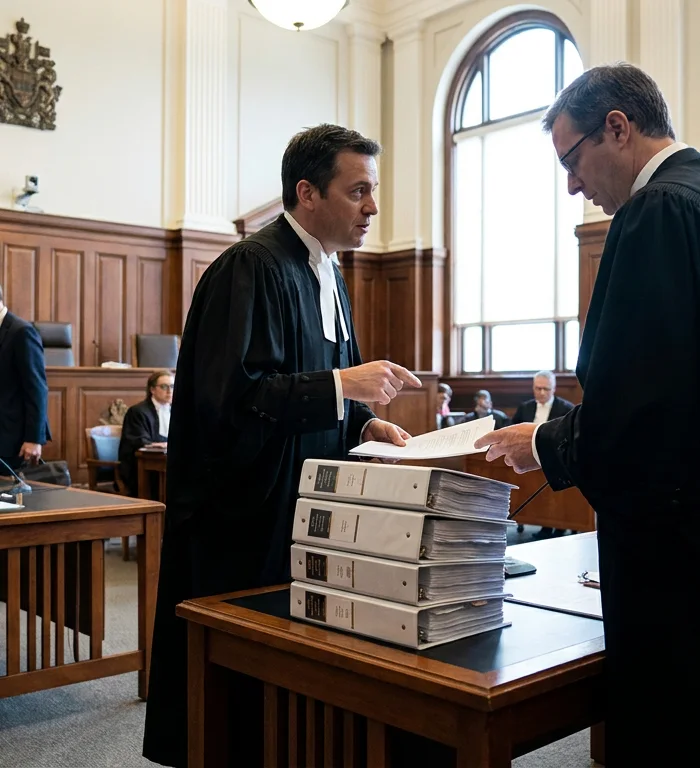
The Supreme Court of Canada is set to hear appeals challenging the federal government’s 2020 ban on over 2,500 types of assault-style firearms. The proceedings will determine whether the federal cabinet exceeded its legal authority by implementing the prohibition through regulatory orders rather than through parliamentary legislation.
Lower courts have previously ruled in favor of the federal government, upholding the use of regulatory powers under the Criminal Code to address public safety concerns. The government maintains that Parliament has historically granted cabinet broad discretionary authority to prohibit specific firearms, arguing that the policy is a reasonable measure to mitigate risks associated with military-style weapons.
Opposing parties, including individual litigants, gun advocacy groups, and the provincial governments of Alberta, Saskatchewan, and Ontario, contend that the regulations are unconstitutional and lack sufficient legal clarity. Challengers argue that the executive branch has bypassed parliamentary democracy, effectively criminalizing the property of law-abiding citizens—including farmers, hunters, and sport shooters—without adequate legislative oversight or evidence of necessity.
The Supreme Court
Financial implications of the policy remain significant, as the federal government continues a mandatory buyback program. As of mid-2026, the government has disbursed approximately $96 million to businesses for the acquisition of roughly 74,000 firearms, averaging $1,300 per unit. An amnesty period for current owners remains in effect and will continue until 90 days following the Supreme Court’s final judgment.
The outcome of this case will establish a critical precedent regarding the limits of executive regulatory power in Canada. A ruling against the government could force a legislative overhaul of firearm classification, while a victory for the state would solidify the cabinet’s authority to enact broad public safety mandates without direct parliamentary votes. The court’s decision will also dictate the future of the ongoing buyback program and the legal status of thousands of prohibited weapons currently held under amnesty.
More stories
- Germans oppose Ukraine aid as poll shows support slipping
- Kim Jong-un receives 10 envoys after constitutional shift
- Ukraine claims Libya strike sinks Russian naval corvette
- COP31 climate talks collapse over fossil fuels and funds
- Russian military faces 1,087 recorded suicides in Ukraine war
- US faces China, Russia in Africa minerals contest
- Saudi officials report Aramco tower damage after attack
- Saudi officials report Aramco tower damage after attack
- Thailand faces fourth-quarter strain despite 18.9% export gain
- Lithuania probes Starlink arson as Russia-linked sabotage
Latest news
- Trump prepares tariffs on China and other major exporters
- New-car buyers pay record average $50,087 in October
- Banks face ECB reserve debate over liquidity and profits
- Investors see Anthropic debut gains fade below $83 a share
- Iraq orders federal control over Kurdish-area oilfields
- Nvidia shares retreat as AI rally cools before PCE data
- Macy’s parade faces balloon limits as storm winds approach