

Lithuania probes Starlink arson as Russia-linked sabotage
Lithuania is investigating a Starlink station fire as Russia-linked sabotage targeting Ukraine, a senior crisis official said.
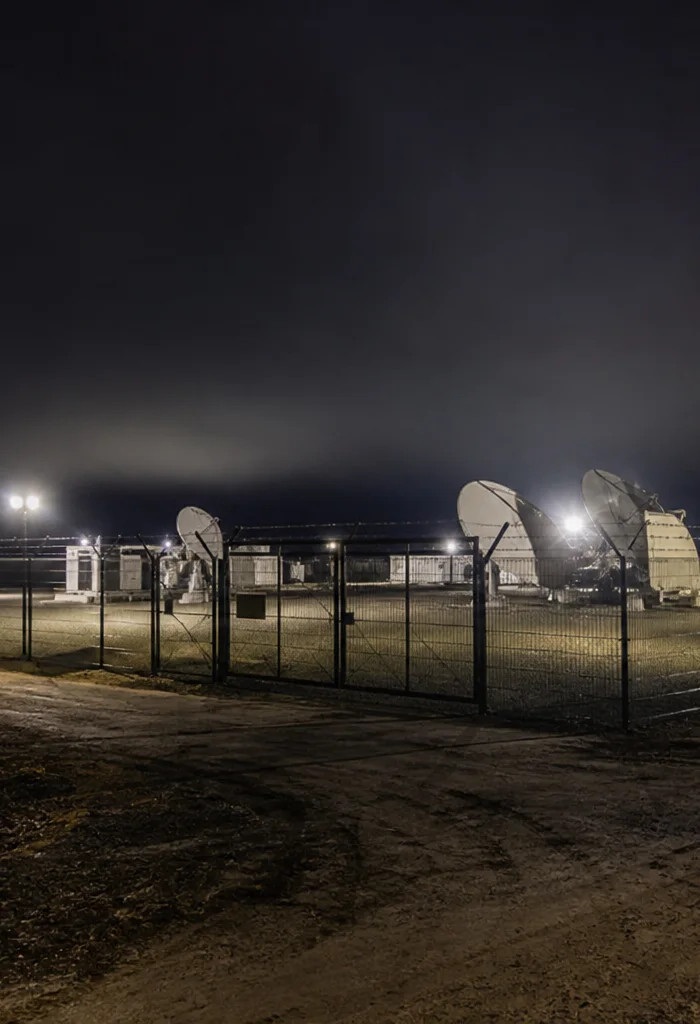
Lithuania is investigating a Starlink station fire as Russia-linked sabotage targeting Ukraine, a senior crisis official said.
The fire caused limited damage and left operations unaffected, according to Vilmantas Vitkauskas, head of Lithuania's National Crisis Management Centre. His account distinguishes the incident's immediate result from the broader purpose he attributed to it: interfering with a communications service used by Ukrainian forces.
Authorities were looking for suspects following the attempted burning of the SpaceX facility outside Vilnius, Vitkauskas told reporters. He placed the incident at approximately 2 a.m. on October 18 and said the flames were extinguished promptly, leaving only minor damage to the property.
Lithuania alleges a wider sabotage campaign
Vitkauskas characterized the incident as deliberate sabotage rather than an isolated case of arson. He attributed it to Russian efforts to interfere with Starlink and impair Ukrainian military operations, making Ukraine, rather than Lithuania alone, the intended target in the government's assessment.
He also connected the Vilnius incident with previous fires targeting Starlink facilities in Poland and Bulgaria. That alleged connection extends the Lithuanian authorities' interpretation beyond a single damaged site, although the supplied account does not establish how the incidents were linked.
The Russia connection remains an allegation attributed to Vitkauskas, not an independently corroborated finding in the available material. His account did not identify the suspects or describe evidence connecting them to Russian actors, leaving the basis for that attribution an unresolved part of the investigation.
Ukraine's Starlink use extends to drones
Ukrainian forces rely extensively on Starlink terminals for communications on the battlefield. They also fit receivers to many drones for use in guidance systems, giving the service a role beyond exchanging messages and explaining its relevance to the military operations cited by Vitkauskas.
That military use provides context for the Lithuanian assessment, but it does not establish that this particular fire affected Ukraine. Vitkauskas reported uninterrupted operations at the Vilnius-area facility; the account identifies no resulting loss of communications or disruption to Ukrainian drone activity.
For SpaceX, the reported operational outcome was therefore limited: property damage without a service interruption. The material does not quantify repair costs, describe the damaged equipment or explain the facility's specific contribution to Ukrainian connectivity, preventing a more precise assessment of its operational importance.
Suspect search tests the Russian attribution
The inquiry must distinguish responsibility for the attempted arson from the broader campaign alleged by Lithuania. Evidence identifying the perpetrators and establishing any connection with the Polish and Bulgarian incidents would help determine whether Vitkauskas's account describes a coordinated effort across borders.
If investigators substantiate those connections, the case would support Lithuania's assessment of a campaign against infrastructure serving Ukrainian forces. If they do not, the established immediate outcome remains narrower: a fire at a Starlink facility, limited property damage and no interruption reported by the Lithuanian crisis chief.
More stories
- Zelenskyy offers Ukraine refinery halt for Patriot missiles
- Brazil election rallies draw Lula supporters across Rio
- Thailand faces fourth-quarter strain despite 18.9% export gain
- Brazil rivals rally before debate as runoff nears finish
- France unrest brings 2,400 arrests as Macron appeals for calm
- French police arrest more than 1,800 after cost-of-living protests
- Turkey weighs Saudi defense role, rules out attack force
- Report puts UK defense spending priorities under scrutiny