

Australia Repatriates seven women and 12 children from Syria camps
Seven Australian women and 12 children linked to Islamic State were repatriated from Syria to Melbourne and Sydney on Tuesday.
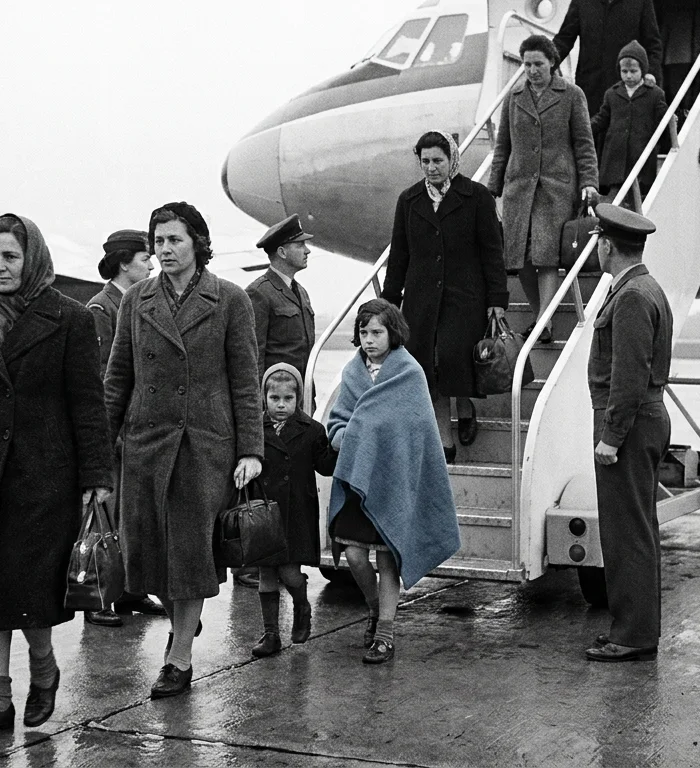
Seven Australian women and 12 children who had been held in a Syrian detention camp over alleged links to Islamic State arrived back in Australia on Tuesday, with some landing in Melbourne and others expected in Sydney later the same day. The return followed a failed repatriation attempt in February and was part of the government’s continuing effort to bring Australian citizens home from camps in Syria.
Officials said the group left a Syrian detention facility last week before boarding flights to Australia. Many of the adults left Australia more than a decade ago, and some of the children were born in Syria or Iraq.
Home Affairs Minister Tony Burke said security agencies have been preparing for the group’s return since 2014 and have “longstanding plans in place to manage and monitor them.” He said community safety remained the government’s priority.
The government said any members of the cohort who have committed crimes can expect to face legal action. Authorities have not detailed what conditions the returnees will face on arrival, beyond monitoring and potential prosecution where warranted.
Government cites prior repatriations
Tuesday’s repatriation adds to earlier returns from Syria since the territorial defeat of Islamic State. In 2019, the Morrison government repatriated eight orphans from Syria.
The Albanese government repatriated 13 children and four mothers in October 2022. In 2025, two mothers and four children returned to Melbourne after negotiating their return with authorities.
Last month, nine children and four mothers also returned to Australia with family support, and three of the women were later arrested and charged, officials said. The government has repeatedly said criminal accountability will be pursued where evidence supports it.
Focus on monitoring and reintegration
Burke said agencies have planned for the returnees for years, reflecting long-running concerns over Australians who traveled to Syria and Iraq during the conflict and were later held in detention facilities. The government has argued that bringing citizens back allows authorities to monitor them more closely and, where appropriate, bring cases before Australian courts.
Further repatriations could depend on operational constraints and case-by-case assessments, officials have said in previous returns. For now, authorities will be watched for any arrests, charges, or additional details on the monitoring arrangements for those who arrived on Tuesday.
More stories
- Eisenkot secures first coalition deal but lacks majority
- Germans oppose Ukraine aid as poll shows support slipping
- Kim Jong-un receives 10 envoys after constitutional shift
- Ukraine claims Libya strike sinks Russian naval corvette
- COP31 climate talks collapse over fossil fuels and funds
- Russian military faces 1,087 recorded suicides in Ukraine war
- US-Iran Deal Looms: Hormuz Strait Ceasefire Talks Continue
- Ukraine Demands Full EU Voice, Rejects Associate Status
Latest news
- Morocco targets 2030 World Cup final with new stadium bid
- Barclays puts AI bust risk at center of US growth debate
- US inflation reaches 3.8% before December Fed rate meeting
- Türkiye Desk: GTA 6 drains UK mobile spend as Turkish studios feel pressure
- Global stocks fall 0.4% as tariffs and US inflation loom
- CIA hack affects unclassified data; scope remains unclear
- Trump prepares tariffs on China and other major exporters
- New-car buyers pay record average $50,087 in October