

Goldman sees Brent averaging $88 a barrel in 2027
The bank’s base case points to a later retreat toward $78 as supply improves and geopolitical risk premiums fluctuate.
Goldman Sachs expects Brent crude to average $88 a barrel in 2027 and drop to $78 by December, Investing.com reported in a Nov. 21 news article citing the bank.
The call matters because Goldman sees crude’s fair value falling from about $90 a barrel as the market shifts toward surplus supply, while fuel prices remain well above average.
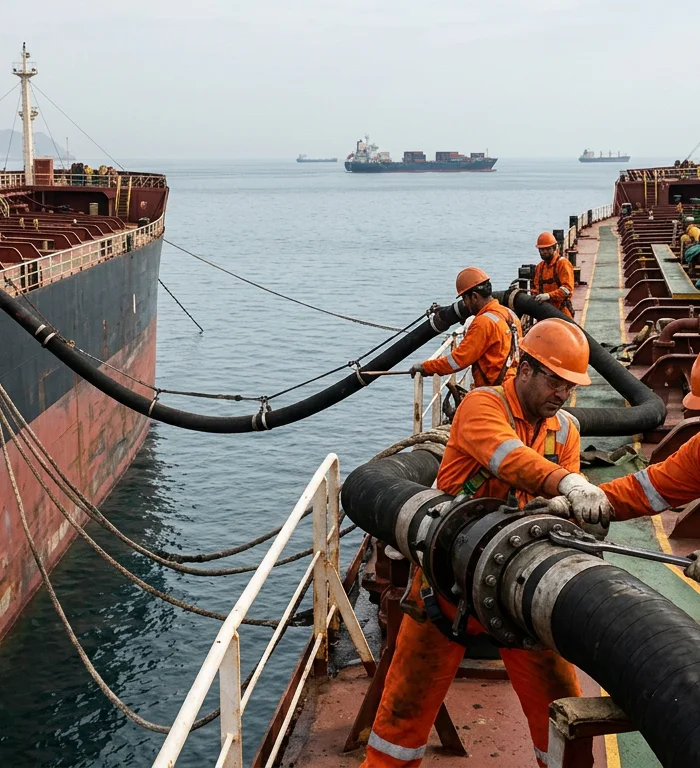
Goldman’s base case assumes Middle East oil supply rises above its 2025 average, supported by continued ship-to-ship transfers and pipeline additions, according to the Nov. 21 article. Supply growth outside the region is expected to stall.
The bank said 2026 crude prices stayed well above pre-war expectations, but the increase was smaller than expected given the reported duration of disruptions in the Strait of Hormuz. Goldman’s view is that Middle East supply and oil demand adjusted to elevated shipping risks and higher prices.
The forecast separates crude from refined products. Goldman expects U.S. wholesale diesel prices to average $150 a barrel in 2027, with product prices easing but staying well above normal because net refinery capacity is growing slowly.
The bank said Middle East conflict could continue to support prices through lower product exports, higher freight rates and deferred refinery maintenance. Goldman also assumes Russian product output remains largely constrained.
Brent futures were shown at $92.49 a barrel, up $0.51, or 0.55%, at a closing timestamp of 00:58:58 in the Investing.com market table. Atlas360 reported on Nov. 20 that Brent had risen 0.69% to $92.67, leaving crude within the narrow range seen earlier that week.
Goldman described risks on both sides of its crude-price outlook. In the near term, intensified shipping attacks, damage to oil infrastructure or a renewed risk premium could lift prices; a risk premium is the extra price investors pay for geopolitical uncertainty.
Over the medium term, the bank said stronger supply, weaker demand or a lower-than-assumed risk premium could weigh on crude. Goldman recommended long positions in summer 2027 European gasoline for investors seeking protection from geopolitical risk, saying such positions could benefit from weaker gasoline output, refinery strikes, heavy planned maintenance and production shifts from gasoline toward diesel.
Source: Investing.com news article, Nov. 21, 2026
More stories
- Trump prepares tariffs on China and other major exporters
- Banks face ECB reserve debate over liquidity and profits
- Investors see Anthropic debut gains fade below $83 a share
- Iraq orders federal control over Kurdish-area oilfields
- Nvidia shares retreat as AI rally cools before PCE data
- Nvidia board gets Trump input on Jensen Huang return as CEO
- Rwanda women-owned exports fall 51% from 2021 peak
- Nasdaq rout tests IPO appetite as Anthropic gains retreat
- Iran caps subsidized bread at 8kg a month in three provinces
- Binance keeps Asia licence push after $6.3bn hack