IEA Warns of 2026 Oil Deficit as Iran War Disrupts Supply
The IEA forecasts a significant global oil supply deficit in 2026 due to the Iran conflict, leading to reduced supply and demand.
Atlas Newsdesk ·
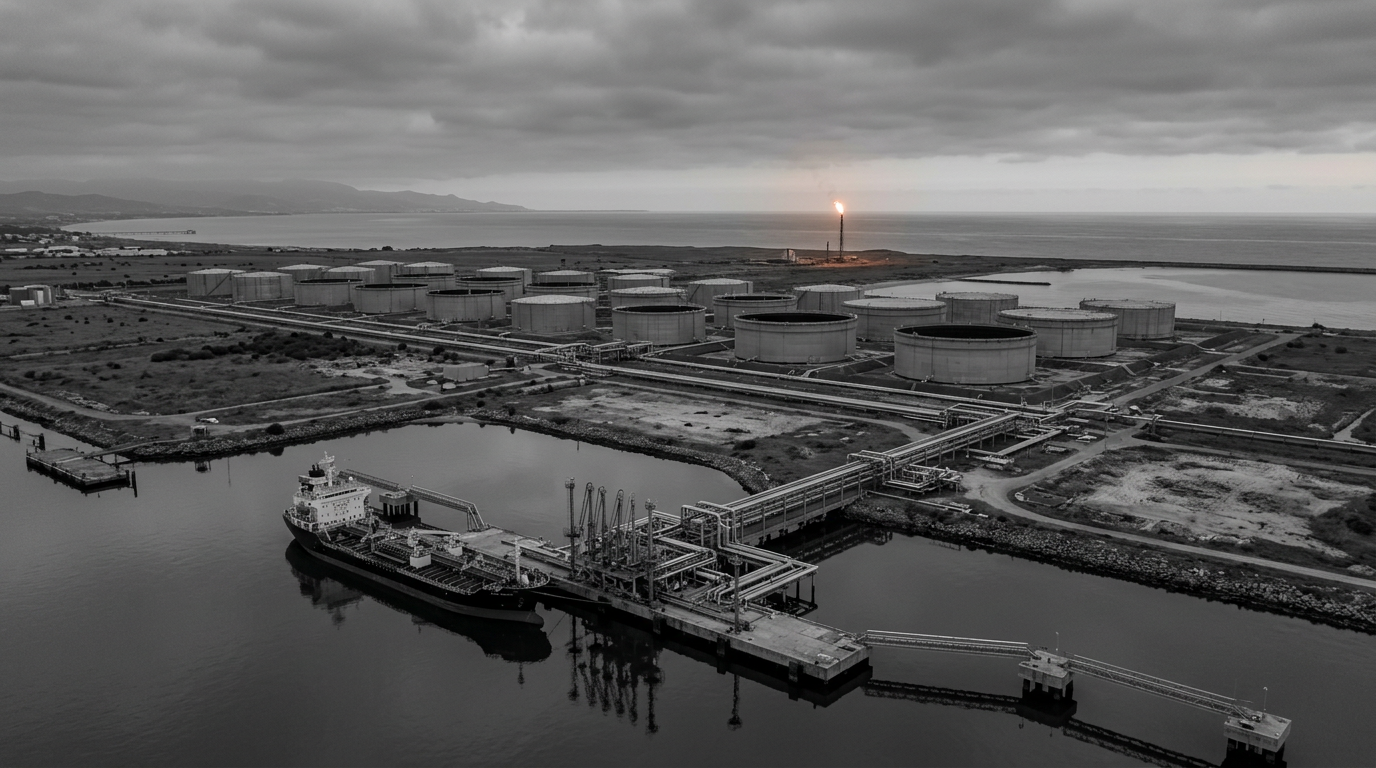
The International Energy Agency said Wednesday, May 13, that global oil supply will fall short of demand in 2026 after the war involving Iran disrupted production and restricted tanker traffic through the Strait of Hormuz. The Paris-based agency said cumulative supply losses from Middle East Gulf producers have exceeded 1 billion barrels, with more than 14 million barrels per day (bpd) of output shut in.
The IEA said its latest estimates point to an oil market deficit next year even if the conflict ends by early June.
The agency said its monthly oil market report now implies supply will come in 1.78 million bpd below total demand in 2026. That compares with a 410,000 bpd surplus projected in last month’s report and a nearly 4 million bpd surplus estimated in December.
The IEA said the market would remain “severely undersupplied” through the end of the third quarter of 2026 under its assumptions. It added that the second-quarter deficit could reach 6 million bpd.
Overall global oil supply is expected to fall by around 3.9 million bpd across 2026 because of the war, the agency said. That is a deeper decline than the 1.5 million bpd drop it had previously projected.
Strait of Hormuz disruption and stock draws
The IEA said restricted tanker traffic through the Strait of Hormuz has contributed to what it described as an “unprecedented supply shock.” It said global oil inventories recorded a 246 million barrel drawdown in March and April, a move the agency said could increase price volatility ahead of peak summer demand.
The 32-member IEA coordinated a release of 400 million barrels from strategic reserves in March in an effort to calm markets. The agency said around 164 million barrels had already been released.
Demand hit as prices rise and growth slows
The IEA also revised its demand outlook lower, forecasting a 420,000 bpd drop in consumption for 2026 versus a previous estimate of an 80,000 bpd decline. It attributed the change to price spikes that it said are leading to demand destruction and slower economic growth.
The agency said it will publish its first supply and demand forecasts for 2027 in its June report, and that its 2026 annual oil report will be delayed from June 17 with no new release date yet set.
Later on Wednesday, OPEC is due to publish its monthly oil market report.
Investors will be watching for signs of whether tanker traffic through Hormuz normalizes and whether supply losses begin to reverse as the IEA updates its projections in coming months.