

GDP rebasing cuts South Africa debt peak to 74.6%
A broader count of informal and illegal output lifted measured mining activity, improving fiscal ratios without changing revenue, spending or debt totals.
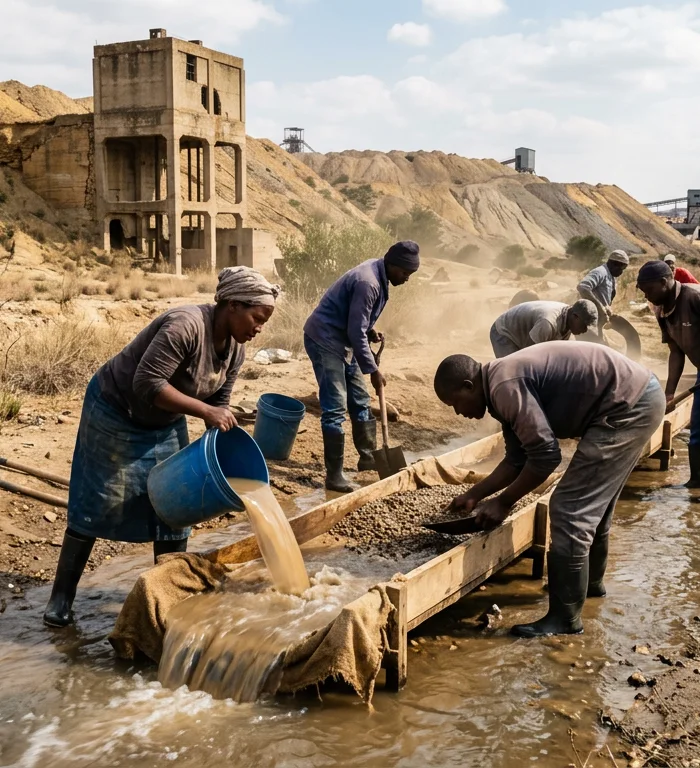
South Africa’s GDP rebasing lifted the 2022 economy to R6.99 trillion, 4.9% above the previous estimate, Daily Maverick reported on Nov. 11, citing Statistics South Africa.
The change lowers National Treasury’s projected gross loan debt peak to 74.6% of GDP in 2025/26 from 78.4% in the 2026 MTBPS, according to a Nov. 5 Treasury statement.
Stats SA shifted the base year for gross domestic product to 2022 from 2015 in a twice-a-decade update. GDP is the value of goods and services produced over a period, and rebasing is used to measure output in constant prices and reflect changes in the economy’s composition.
“The 2026 benchmarking and rebasing raised the level of the economy in 2022 to R6.99-trillion, up by 4.9% from the previously published R6.667-trillion,” Stats SA said, according to Daily Maverick. “The largest change occurred in the mining industry (up by 12.5%). This was due to the inclusion and better coverage of illegal mining.”
The update brings more of the non-observed economy into official measurement. Stats SA said that category accounts for 8.7% of the economy and includes illegal production and sales involving cannabis, abalone, diamonds and precious metals, with specific attention in mining to artisanal and illegal miners known in South Africa as zama zamas.
Daily Maverick reported that the methodology also covers unauthorised trade in firearms, ammunition, explosives and motor vehicles. The article said mining had the largest percentage uplift, though sectors such as finance still contribute more to the overall GDP level.
The fiscal effect comes through the denominator in debt and deficit ratios. A larger GDP reduces those ratios even when the underlying rand amounts for borrowing, revenue and spending are unchanged.
Treasury said other ratios moved as well. The primary surplus is now put at 1.6% of GDP in 2026/27, compared with 1.7% in the MTBPS, rising to 2.8% in 2029/30 against 2.9% before. The main budget deficit for 2026/27 is now 3.5% of GDP, from 3.7%.
The rebasing does not alter the fiscal estimates presented in the Medium-Term Budget Policy Statement. It changes how those figures compare with the measured size of the economy, a metric watched by investors and credit-rating agencies.
The article also noted that mining had already supported the 2026 MTBPS through higher precious-metals prices and tax royalties. Gross tax revenue for the year was revised up by R17.1 billion from the February estimate, largely because of that windfall.
Source: Business Maverick article, Daily Maverick, Nov. 11, 2026.
More stories
- Nvidia board gets Trump input on Jensen Huang return as CEO
- Rwanda faces budget strain from 85% electricity access push
- AI doubts leave Asian stocks facing a new investment test
- Singapore core inflation eases to 1.5% in October
- Greece targets 2.3% growth in 2027 budget
- US stocks face Goldman warning on further forced selling
- Nvidia loses about $430bn after China chip allegations
- ECB succession race narrows to Dutch and Spanish choices
- IMF Venezuela office plan sets Caracas return for lender
- Paramount Skydance settles $110 billion Warner merger case
Latest news
- ICE arrests at Seattle airport draw protests and scrutiny
- EU rejects COP31 deal as fossil fuel divisions block pact
- Deal Sheet: Fortis shutdown costs over 400 jobs
- Germany to pay about $11 a month into child pension accounts
- Monrovia mayor-designate seeks $14.5m city budget
- Laura Brand curbs prison messages after YouTube dispute
- Nigeria's family-planning budget falls 97%