IMF Venezuela office plan sets Caracas return for lender
The IMF plans a Caracas office next year as Venezuela shares more economic data and resumes contacts with major financial institutions.
Sofia Reyes ·
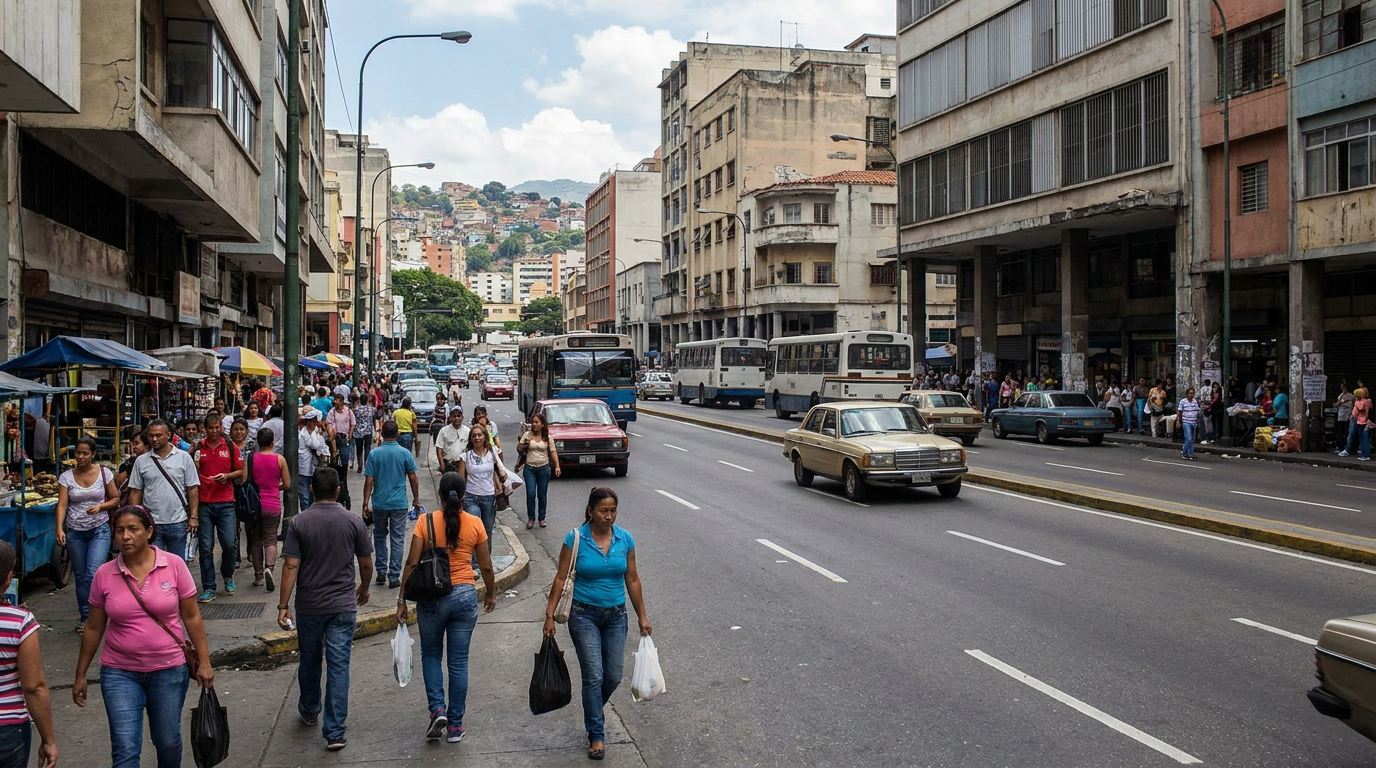
The IMF Venezuela office planned for next year would give the fund a permanent base in Caracas as official contacts accelerate.
International Monetary Fund Managing Director Kristalina Georgieva said the lender intends to open the office “sometime in the first half of next year” after meeting acting President Delcy Rodríguez in New York on Monday. Asked whether the plan would proceed, Georgieva said: “It will happen.”
The confirmation marks the clearest public signal from the Washington-based lender that its renewed work with Venezuela is moving from episodic engagement toward a local presence. The office would support technical assistance as the IMF seeks more complete information on the country’s monetary and fiscal position.
Caracas base follows data thaw
Georgieva said the fund is trying to “quickly catch up on data and key monetary and fiscal policies,” placing statistics at the center of the renewed relationship. Venezuela has begun sharing more economic information with the IMF after years in which official data were limited and contact with multilateral lenders was thin.
The timing matters because an in-country office can shorten the distance between technical staff and ministries responsible for budgets, inflation data and exchange-rate policy. For Venezuela, that channel could help rebuild the administrative links needed before deeper financing discussions with international institutions become practical.
Two-decade gap narrows
The opening would follow the IMF’s first top-level visit to Caracas in more than 20 years, according to the account of the July trip. A larger staff mission followed, giving the lender a broader view of the agencies that produce and manage economic data.
Venezuela formally re-engaged with the IMF about five months before Georgieva’s New York comments, under Rodríguez’s acting administration. Rodríguez also met representatives of the Inter-American Development Bank and the World Bank during her trip to the United Nations General Assembly, according to the same account.
The office plan does not amount to a loan program, and Georgieva’s comments did not set out financing terms, conditions or a board timetable. The immediate change is institutional: the IMF is preparing a regular Caracas presence while it assesses data quality and core policy settings.
Multilateral ties widen
The main effect for Venezuela would be practical if the office opens on the stated timetable. A permanent staff channel could improve the flow of fiscal and monetary data, helping the IMF judge whether official figures are consistent enough for surveillance or future program work.
For the wider multilateral system, the Caracas move could create a template for other institutions considering closer contact with Venezuelan authorities. The mechanism is coordination: if the IMF receives better data and maintains a local presence, development banks may have more information for their own country assessments.
The global macro impact would be limited at first, since an office is an administrative step rather than a financing package. If engagement eventually supports clearer policy reporting, investors and official lenders would have more inputs for assessing Venezuelan risk, with any broader effect likely to pass through energy, debt and regional migration channels.
Data access sets the path
If the office opens in the first half of next year and data sharing continues, the IMF could deepen technical assistance while Venezuela rebuilds ties with major lenders. That path would give Rodríguez’s administration a clearer route to external advice, and it could encourage financial institutions to revisit country exposure using fresher policy information.
If the timetable slips or data access stalls, the engagement would remain thinner: the IMF would have less basis for surveillance, Venezuela would lose momentum in restoring credibility, and other lenders could wait for stronger evidence of policy transparency. The open questions are whether the office date holds, how much data Caracas provides, and whether multilateral contacts expand beyond technical work.