

UK AI Chip Developer Fractile Reaches $7 Billion Valuation
UK-based AI chip startup Fractile has reached a $7 billion valuation following a $720 million funding round supported by private investors and the British…
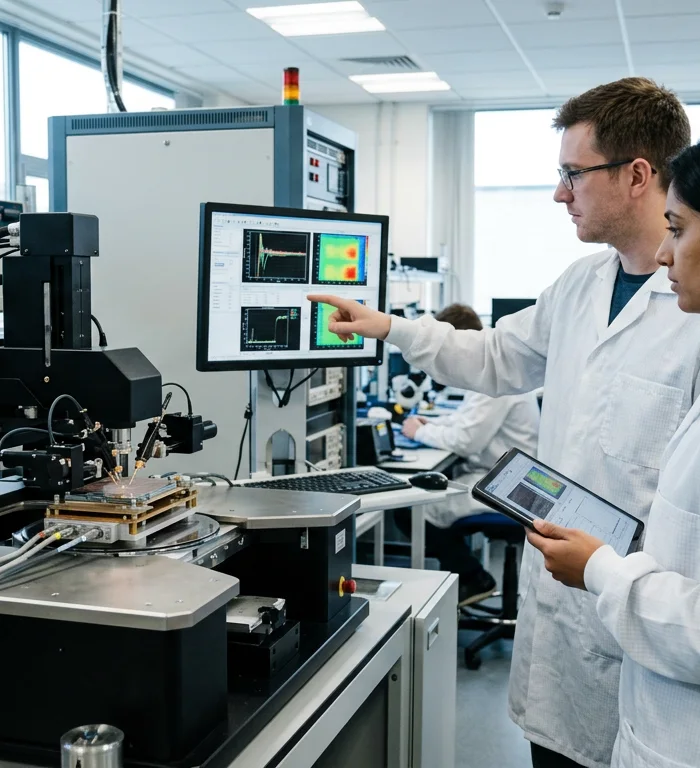
Fractile, a UK-based developer of artificial intelligence inference chips, has secured a $7 billion post-money valuation following a $720 million Series C funding round. This valuation represents a significant increase from the company’s $1.1 billion valuation recorded in May 2026. The rapid appreciation in market value occurs despite the company not having shipped production-ready hardware as of November 2026.
The funding round was led by a consortium of venture capital firms, including Thrive Capital, Founders Fund, Lightspeed, and Redpoint. Additional participation included CapitalG and BlackRock. Notably, the British government contributed to the round through the Sovereign AI Venture Fund and the British Business Bank, signaling a strategic state interest in domestic semiconductor capabilities.
Fractile’s technology focuses on AI inference, the process by which trained models execute tasks such as data generation and analysis. The company utilizes a "memory-first" architecture designed to reduce energy consumption and operational costs for large language models. Management claims this design can lower operational expenses by up to 90% compared to existing solutions.
Thrive Capital
Institutional stakeholders should monitor the company’s transition from design to commercial deployment, which is scheduled to begin in 2027. While the firm has reportedly attracted interest from major AI developers, the lack of current production hardware presents a significant execution risk. The involvement of state-backed entities suggests that Fractile is viewed as a critical component of the United Kingdom’s broader industrial strategy to secure sovereign AI infrastructure.
The rapid valuation growth within a six-month period reflects high investor demand for hardware alternatives to dominant market incumbents. However, the company’s ability to scale manufacturing and achieve performance benchmarks in real-world data center environments remains the primary indicator for long-term viability. Future developments will likely center on the successful integration of these chips into existing AI ecosystems and the company's ability to convert early interest into long-term supply contracts.
More stories
- The Week in Games: GTA 6 turns attention into cash
- US data centres emit 25.7m tonnes of CO2, Harvard says
- German founders need 3,942 hours to open small business
- Leaked Deutsche Bank files test Sewing's reform narrative
- UAE employers plan 2.8% pay rises for 2027
- Bessent urges Nvidia to seek outside CEO as scrutiny grows
- BCP Investment seeks ICMB merger at 126% premium
- Woolcott avoids jail over AI-assisted Touchstone takeover fraud
- Trump says Russia and Ukraine will pause energy attacks; freight buyers should wait to reprice
- Daktronics lifts acting CFO base pay to $1.2m in 8-K, adding $170k RSUs
Latest news
- Social Security raises 2027 benefits 3.6%
- Hull City 2–0 Brighton: When Resilience Beat Reputation
- David Parr House to honor Victorian art-workman with blue plaque
- Iran's attacks hit 25 tankers near Strait of Hormuz
- FCC approves prison cellphone jamming despite 2.5-mile warning
- Russia strikes Ukraine as Odesa faces electricity strain
- Bahrain reports two injuries after Iranian aerial attacks
- Congress tests Black Democrats' growing policy influence