

FDA Mandates Vision Loss Warnings for GLP-1 Weight Loss and Diabetes Medications
The FDA has mandated new vision-loss warnings for all GLP-1 medications after identifying a rare risk of optic nerve damage in clinical trial data.
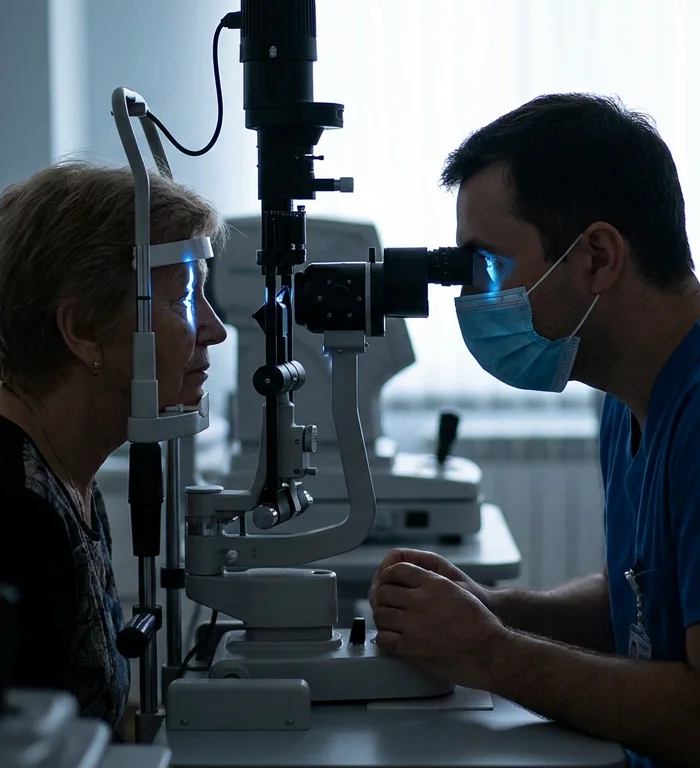
The U.S. Food and Drug Administration (FDA) has mandated that all GLP-1 receptor agonist medications, including widely prescribed treatments for obesity and type 2 diabetes such as Ozempic, Wegovy, Mounjaro, and Zepbound, must now carry warnings regarding a rare risk of vision loss. This regulatory update follows reports of non-arteritic anterior ischemic optic neuropathy (NAION), a condition characterized by restricted blood flow to the optic nerve that can result in permanent visual impairment.
Regulatory scrutiny intensified following the publication of a 2024 medical study that identified a potential correlation between semaglutide usage and the onset of NAION. Subsequent internal analysis by the FDA, encompassing over 125 clinical trials, indicated an incidence rate of approximately 6 per 100,000 patients treated with GLP-1 medications for at least one year. This compares to a rate of fewer than 4 per 100,000 among individuals administered placebos or alternative glucose-lowering therapies.
While the underlying physiological mechanism linking these medications
While the underlying physiological mechanism linking these medications to optic nerve damage remains under investigation, the FDA has formally updated the labeling requirements for the entire class of GLP-1 drugs. The agency advises that patients experiencing symptoms such as blurred vision, blind spots, or color distortion should seek immediate medical evaluation.
This regulatory action introduces new compliance requirements for pharmaceutical manufacturers and may influence clinical prescribing patterns. Stakeholders should monitor for potential impacts on long-term liability profiles and patient adherence rates for this high-growth drug class. The inclusion of these warnings reflects a broader trend of increased post-market surveillance for blockbuster weight-loss therapeutics as their usage continues to expand across diverse patient populations.
More stories
- Dietitians advise small swaps for plant-based eating
- TikTok dementia videos mislead in 66.4% of sample, researchers say
- Aberdeen Royal Infirmary faces police inquiry call over 19 deaths
- Bariatric surgery group loses 28.2% after GLP-1 use
- TOFA boosts mouse energy use 18% while preserving muscle
- ICO probes NHS therapy notes accessible to up to 140,000 staff
- Plant-based dairy swaps may lower iodine intake
- Adults 50 to 64 reach 7.5% heavy-drinking rate
Latest news
- David Parr House to honor Victorian art-workman with blue plaque
- Iran's attacks hit 25 tankers near Strait of Hormuz
- FCC approves prison cellphone jamming despite 2.5-mile warning
- Russia strikes Ukraine as Odesa faces electricity strain
- Bahrain reports two injuries after Iranian aerial attacks
- Congress tests Black Democrats' growing policy influence
- Baltic responders fight Sparta II fire after drone strike
- Europe faces attribution gap after 16 cyber, physical incidents