

Ford Initiates Domestic LFP Battery Production for Upcoming Electric Pickup
Ford has begun shipping domestically produced LFP battery cells to support its 2027 electric pickup launch, a move designed to secure IRA compliance and…
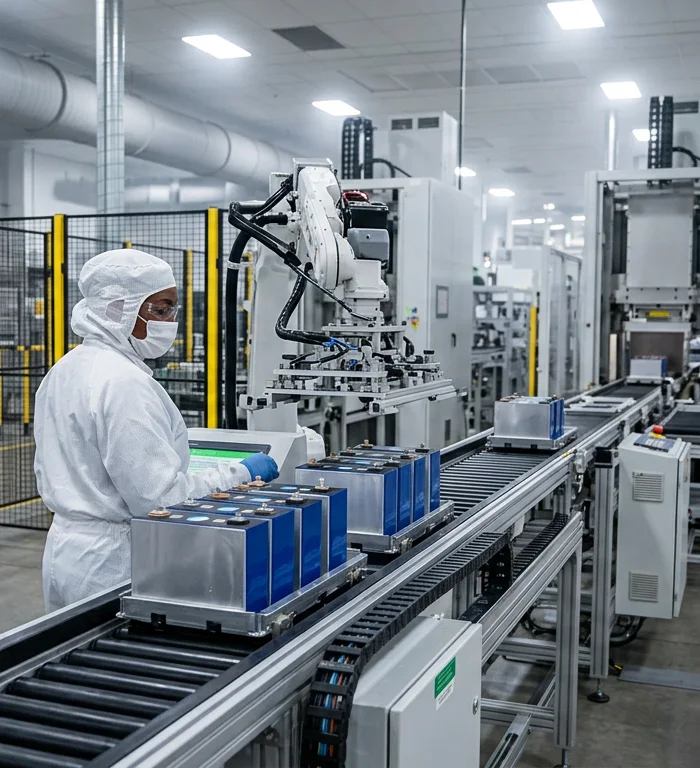
Ford has commenced the shipment of lithium iron phosphate (LFP) battery cells from its BlueOval Battery Park in Marshall, Michigan, to its assembly facility in Louisville, Kentucky. These prismatic cells are designated for the development of prototypes and validation vehicles for the upcoming "Fathom" electric pickup truck. The facility represents a $3 billion investment and is designed to reach an annual production capacity of 20 gigawatt-hours, supported by a workforce of 1,700 personnel.
The transition to domestic LFP production is a strategic move to align with Inflation Reduction Act (IRA) manufacturing requirements. By utilizing a licensing agreement for technology while maintaining full U.S. ownership and operation, the company aims to bypass "foreign entity of concern" (FEOC) restrictions that currently disqualify many imported battery components from federal incentives. This domestic supply chain integration is intended to support a target retail price of approximately $29,945 for the Fathom, scheduled for market entry in 2027.
By moving away from nickel and cobalt-based chemistries
From a macroeconomic perspective, the operationalization of this plant marks a significant shift in the automaker's supply chain strategy. By moving away from nickel and cobalt-based chemistries toward LFP, the company is prioritizing cost-efficiency and structural integration within its new Universal Electric Vehicle (UEV) platform. The ability to scale this production will be a critical determinant in the company's capacity to compete in the entry-level electric vehicle segment, where price sensitivity remains a primary barrier to adoption.
Institutional stakeholders should monitor the facility's ramp-up phase, as the successful execution of this domestic supply chain is essential for the viability of the UEV platform. While the licensing model provides a pathway to technology access, the long-term stability of this production line will depend on the consistent sourcing of IRA-compliant raw materials. The project serves as a bellwether for the broader automotive industry's efforts to localize battery manufacturing while navigating complex regulatory frameworks regarding foreign technology partnerships.
More stories
- The Week in Games: GTA 6 turns attention into cash
- US data centres emit 25.7m tonnes of CO2, Harvard says
- German founders need 3,942 hours to open small business
- Leaked Deutsche Bank files test Sewing's reform narrative
- UAE employers plan 2.8% pay rises for 2027
- Bessent urges Nvidia to seek outside CEO as scrutiny grows
- Skydance's $110 billion deal tests US media oversight
- Compass Lexecon gets 2 leaders in FTI North America revamp
Latest news
- Social Security raises 2027 benefits 3.6%
- Hull City 2–0 Brighton: When Resilience Beat Reputation
- David Parr House to honor Victorian art-workman with blue plaque
- Iran's attacks hit 25 tankers near Strait of Hormuz
- FCC approves prison cellphone jamming despite 2.5-mile warning
- Russia strikes Ukraine as Odesa faces electricity strain
- Bahrain reports two injuries after Iranian aerial attacks
- Congress tests Black Democrats' growing policy influence