European energy ministers confront winter fuel crunch risks
European energy ministers meet as low gas reserves, Hormuz tanker limits and diesel export risks complicate winter fuel planning.
Claire Dubois ·
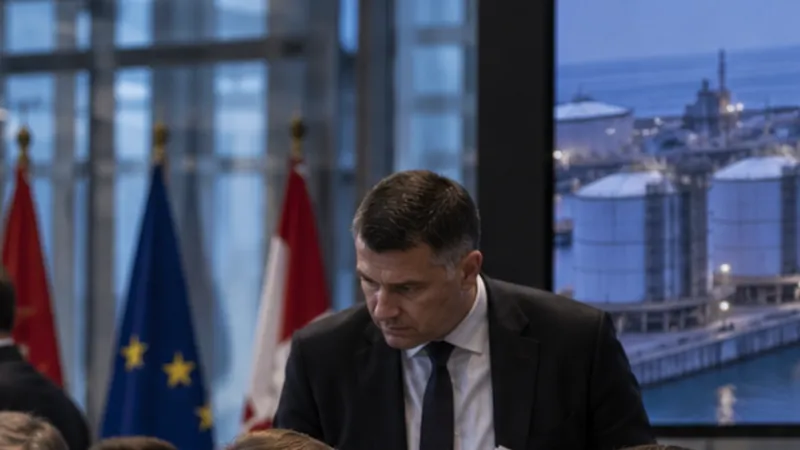
European energy ministers meet today over three winter fuel risks: low gas reserves, constrained tanker routes and a possible US diesel export ban.
The meeting comes as governments try to rebuild gas inventories that are usually replenished during the summer, when demand is lower and storage sites are prepared for winter. This year’s refill effort has been disrupted by limits on tanker movement through the Strait of Hormuz, a route central to Middle Eastern energy shipments.
Hormuz curbs disrupt summer refills
Europe’s concern is not only the level of gas in storage, but the timing of the shortfall. If reserve rebuilding lags too far into the heating season, governments and utilities have less room to absorb cold weather, delivery delays or price swings.
The squeeze is being intensified by competition from Asia, where buyers are also seeking replacement supplies after the Middle East conflict hit regional energy flows. That leaves European governments bidding into a tighter market for cargoes rather than relying on the usual seasonal pattern of cheaper summer restocking.
Diesel ban risk reaches industry
European officials are also assessing the risk of a US restriction on diesel exports, which they warn would add pressure to economies already exposed to higher fuel costs. Diesel is widely used in freight, construction, agriculture and industry, making it a more direct input cost than household heating gas for many companies.
A US export ban has not been described in the material as a settled policy, so the immediate effect is planning uncertainty rather than a confirmed supply loss. If the restriction were imposed, European importers would have to seek alternative barrels, compete harder with other buyers and absorb higher logistics costs where replacement supply travels farther.
The direct corporate burden would fall first on fuel distributors, refiners, transport operators and energy-intensive manufacturers. For the wider sector, the mechanism is straightforward: more expensive or less reliable fuel raises working capital needs, compresses margins where costs cannot be passed on, and may force governments to consider targeted support.
El Niño offers a weather offset
Experts cited in the material say El Niño, while damaging in many regions, could lift renewable power output in Europe and reduce gas demand. The potential relief would depend on whether wind, hydro or other renewable generation rises enough to displace gas-fired power during periods of high consumption.
That weather channel matters because gas is not only a heating fuel; it is also used to generate electricity when renewable output is weak or demand peaks. If renewable generation improves, Europe may need fewer gas-fired plants to balance power systems, easing pressure on storage and imports.
The uncertainty is whether El Niño produces the right conditions in the right places for long enough to change winter fuel balances. A weather benefit that arrives unevenly across Europe would help some power markets while leaving others exposed to gas purchases at short notice.
Three fuel paths for winter
If tanker restrictions through the Strait of Hormuz ease, Europe’s governments could rebuild reserves with less pressure from emergency buying. That would lower the risk of fuel-driven inflation globally, give European utilities more predictable procurement costs and reduce pressure on Asian buyers competing for the same cargoes.
If Hormuz limits persist and Asia remains an aggressive buyer, Europe faces a tighter winter market with less stored gas as a buffer. In that case, the macro effect would likely come through higher energy import bills, while utilities and industrial users would face more volatile input costs and the global gas trade would remain focused on cargo availability.
If the United States proceeds with a diesel export ban while gas stocks remain low, Europe would be exposed on two fuels at once. The clearest industry effect would be felt in transport and manufacturing, where diesel costs feed quickly into freight rates, delivery schedules and production margins.