China's Polysilicon Cuts Signal Supply Shift for Global Solar Sector
China's 20% polysilicon production cuts in October are set to stabilize solar material prices, highlighting its influence on the global supply chain.
Mei Lin ·
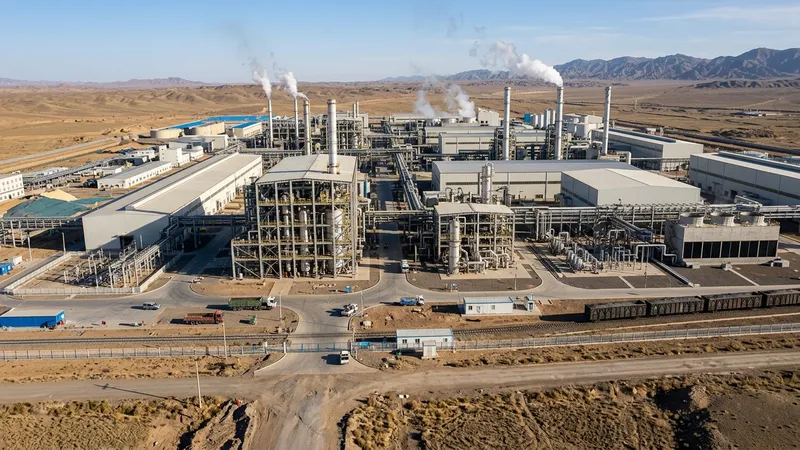
Chinese Output Reductions
Polysilicon prices held steady across multiple segments this week ahead of a holiday period, even as expectations solidified for significant production cuts in China starting October. The SMM Weekly Review indicated polysilicon price index stood at 41.08 yuan/kg, with N-type recharging polysilicon quoted between 39.6 and 42.5 yuan/kg. These anticipated reductions, projected to decrease output by nearly 20% month-on-month, are primarily linked to production-cut meetings and the dry season, concentrating in southeastern China, Inner Mongolia, and Xinjiang.
Global Solar Reliance
China currently produces over 80% of the world's polysilicon, a critical material for photovoltaic (PV) cells, and accounts for more than 75% of global solar panel manufacturing capacity. This extensive dominance means that any significant shift in Chinese production directly impacts the global supply of solar energy components. For instance, the nation manufactured 514 GW of solar panels in 2022, a 58% increase from the previous year, highlighting its role as the primary engine for global renewable energy expansion.
Geopolitical Energy Implications
These production adjustments in China carry significant implications for global supply chain resilience, especially among Indo-Pacific nations striving for energy independence and decarbonization. Nations like the United States and India have initiated various schemes, such as the Inflation Reduction Act and Production-Linked Incentive (PLI) programs respectively, to foster domestic solar manufacturing and reduce reliance on Chinese imports. Despite these efforts, the scale of China's existing capacity, coupled with its cost advantages, continues to make it the indispensable source for most global solar projects.
Market Price Stabilization
The projected polysilicon output reduction, driven partly by seasonal energy constraints and strategic capacity management, could lead to short-term price stabilization or even increases for PV materials. This dynamic reflects China's considerable leverage over pricing and availability in the solar sector, a power that has previously been demonstrated through export controls on rare earths and responses to energy intensity targets. For global project developers, securing stable supply lines at predictable costs remains a persistent challenge amid these fluctuations.
Indo-Pacific Energy Transitions
The broader macroeconomic impact extends to the Indo-Pacific region's ambitious energy transition goals. Many countries in Southeast Asia and beyond are heavily investing in solar power to meet rising energy demands and climate commitments. Continued volatility or constrained supply from China could delay project timelines, increase costs for consumers, and potentially slow the pace of renewable energy adoption, creating a ripple effect on national energy security and carbon emission targets across the region.
Observing Supply Data
Industry participants will closely monitor official confirmations from major Chinese polysilicon producers and market reports concerning actual production volumes and pricing trends. Should the anticipated cuts materialize and lead to a notable increase in prices or supply tightness by mid-November, it would reinforce China's strategic control over the global solar energy supply. Conversely, if production adjustments are less severe than currently expected, or if global demand softens, then prevailing price stability may suggest the market is undergoing tactical adjustments rather than a strategic shift in supply dynamics.