US sanctions disrupt Iran aviation as exemptions shape flights
Canceled flights and sanctions carveouts put Iranian aviation back into the geopolitical risk frame.
Mateo Fernandez ·
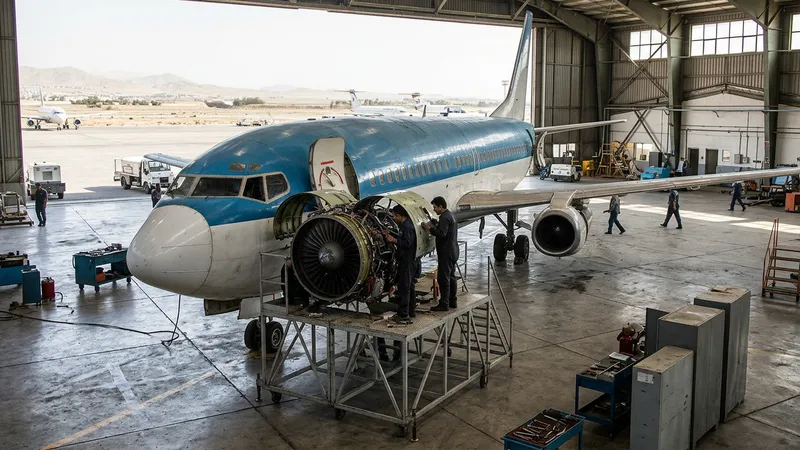
US sanctions on Iranian aviation have put canceled flights and exemptions at the center of a transport and geopolitical risk story on Monday. Reaction pending. The immediate issue for passengers, carriers and regional authorities is how far restrictions on Iranian aviation activity extend, and which flights can continue under approved carveouts.
The available information identifies canceled flights and exemptions as the core operational consequences. It does not specify the affected carriers, the number of flights canceled, the legal instrument used by Washington or the exact scope of any exemption. Those details matter because aviation sanctions can touch aircraft parts, maintenance, insurance, leasing, ticketing and route access through different channels.
Iranian aviation exemptions shape schedules
For the wider region, the mechanism is practical as much as diplomatic. If exemptions cover humanitarian, safety or limited commercial activity, airlines may be able to preserve some routes while avoiding prohibited transactions. If exemptions are narrow, carriers and service providers face a tighter compliance burden, with more cancellations possible as schedules are checked against sanctions rules.
The macro link runs through regional risk pricing rather than direct flight volumes. If sanctions feed into wider US-Iran tension, oil, shipping insurance and Gulf travel demand become the assets and sectors most exposed.
If the exemptions hold and implementation remains administrative, the effect is more likely to stay inside aviation compliance and passenger disruption.
The next marker is whether US or regional authorities publish carrier-level guidance within the next 24 hours, by September 29, 2026.