Khamenei threatens US role in Middle East
Iran's supreme leader said the US would be forced from the region after suffering “painful blows,” adding risk to stalled diplomacy.
Mateo Fernandez ·
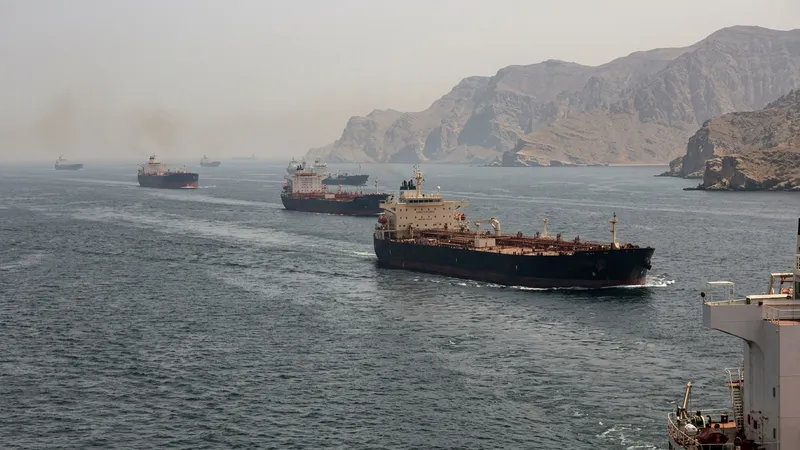
Iran's Supreme Leader Ali Khamenei said Monday the US would be forced to leave the Middle East after suffering “painful blows,” adding a new rhetorical escalation to a conflict already complicating diplomacy in the region. Reaction pending.
The remarks came as officials have been trying to revive talks, leaving investors and governments to assess whether the statement marks a negotiating posture or a signal of a harder regional line.
Khamenei statement tests diplomacy
Khamenei has not been seen in public since the start of the Middle East war in late February, according to the available account of the statement. His comments therefore carry added weight for regional governments, energy markets and US-aligned security planning, even without a new operational claim attached to them.
For global macro markets, the immediate channel is risk pricing rather than confirmed supply disruption.
If the statement remains rhetoric, the effect may stay concentrated in haven demand, oil risk premia and defense-linked assets; if regional actors treat it as guidance, shipping, energy insurance and dollar funding conditions could become more sensitive to further headlines.
For Iran, the statement keeps political authority aligned with resistance to the US presence in the region while talks remain under discussion. For the wider Middle East security complex, it reinforces the risk that diplomacy and military signaling run in parallel rather than sequentially.
The next test is whether Iranian or US officials add details, denials or conditions by September 29, 2026. If neither side narrows the statement, markets will likely treat the risk as headline-sensitive rather than resolved.