GOWell Completes SPAC Merger, Listing 'GOW' on Nasdaq
GOWell Energy Technology has finalized its merger with a blank-check company, bringing another de-SPAC to a public market that has been hostile to such…
Jurgen Goldmeier ·
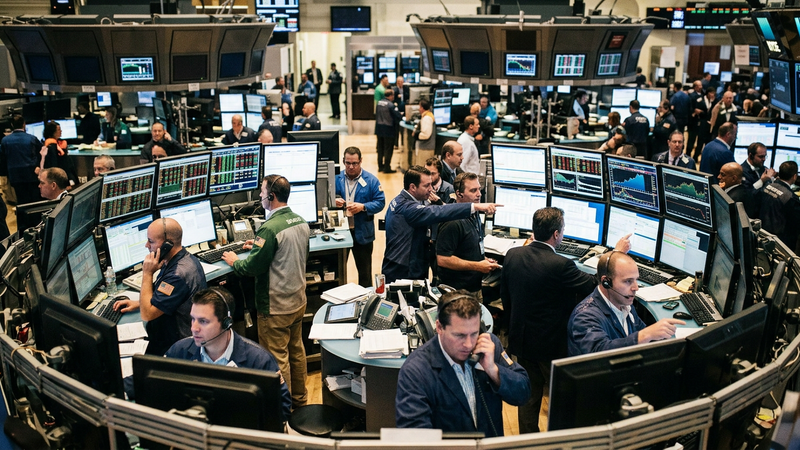
GOWell Completes SPAC Merger, Listing 'GOW' on Nasdaq GOWell Technology Limited and Inflection Point Acquisition Corp. V have closed their business combination, bringing the newly named GOWell Energy Technology to the Nasdaq under the ticker symbol “GOW.” The transaction concludes another de-SPAC process, converting a private energy technology firm into a publicly traded entity whose valuation is now subject to market pricing. ## Background The deal utilized a Special Purpose Acquisition Company, or SPAC — a shell corporation that raises capital in an initial public offering (IPO) for the sole purpose of acquiring a private company and taking it public. This alternative route to public markets boomed in 2020 and 2021 as a faster, seemingly more certain path than a traditional IPO. The tide has since turned. A combination of poor post-merger stock performance, rising interest rates, and increased regulatory scrutiny has led to a sharp contraction in SPAC issuance and a deep skepticism toward companies that use them. The critical event in a SPAC's lifecycle is the merger, or “de-SPAC,” where shareholders of the blank-check company vote on the proposed business combination. In the current environment, a majority of these shareholders typically redeem their shares for cash, withdrawing their capital from the SPAC’s trust. This often leaves the target company with far less growth capital than originally projected. The de-SPAC market is littered with companies that, after seeing upwards of 90% of their SPAC’s capital redeemed, began public life with a depleted balance sheet and an investor base of arbitrageurs looking for a quick exit. ## Why it matters The listing for “GOW” provides the latest test of investor appetite for a de-SPACed company. The market's repricing of these entities has been brutal. Most trade significantly below the $10 per share trust value that SPAC shares are originally issued at. The parties on the wrong side of this trend have consistently been the investors who held their shares through the merger, as well as the private company’s original backers, who see their paper wealth evaporate as the stock finds its public market level. For the Energy Technology sector, GOWell’s performance will offer a read-through on sentiment for complex industrial stories coming to market via a non-traditional structure. Without the underwriting and price-discovery process of a traditional IPO, de-SPACed companies must prove their viability directly to public investors. GOWell now faces the challenge of building a new shareholder base while its stock is likely to face initial selling pressure from investors who were involved only for the SPAC arbitrage. ## What to watch The first week of trading will deliver the market's initial verdict. Watch the trading volume in “GOW” and its price action relative to the $10 SPAC trust value. Significant volume with a stable or rising price would indicate that new institutional buyers are absorbing the initial selling and building positions. Conversely, high volatility and a price break below the $10 mark would signal that sellers are in control, placing GOWell on a path similar to the many underperforming de-SPACs that preceded it. A forthcoming 8-K filing will formalize the final shareholder redemption figures, revealing exactly how much capital the combined company retained from the SPAC trust.