CDU Loses Key Seat to AfD in East German Election
Germany's CDU faces major electoral setbacks, including losing its seat in Mecklenburg-Vorpommern, as the far-right AfD continues to rise in power.
Atlas Newsdesk ·
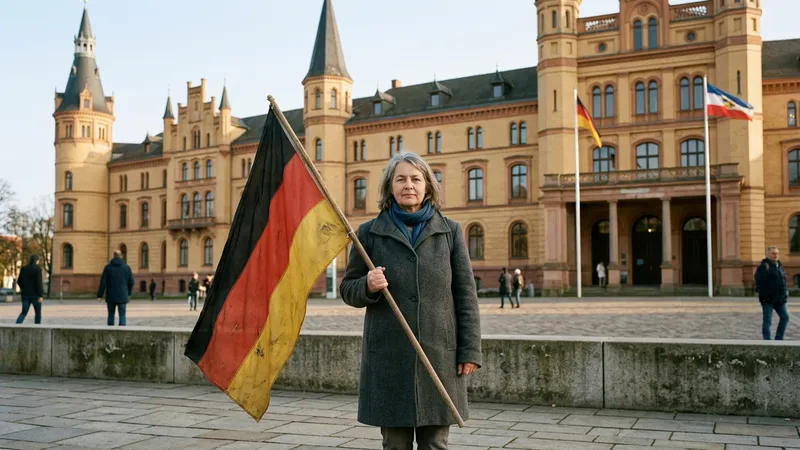
Germany's Christian Democratic Union (CDU) is experiencing considerable electoral challenges, most notably failing to secure representation in the Mecklenburg-Vorpommern state legislature. This marks the first time since the post-war era that the party has not held a seat in that particular region.
These difficulties are unfolding as the Alternative for Germany (AfD) party has achieved leading positions in several recent regional elections, signaling a notable shift in the country's political environment.
Public opinion surveys indicate a high level of dissatisfaction with the current government, showing an 84 percent disapproval rate. This widespread discontent adds to the pressure on established political entities as voter preferences continue to evolve across the German states.
Internal Party Pressures Mount
Reports suggest that Chancellor Friedrich Merz is facing internal pressure to initiate reforms within the CDU's leadership and strategic direction following these recent electoral outcomes. Despite growing calls for change, state-level party leaders have publicly emphasized stability over immediate shifts in leadership. However, these recent public declarations have notably omitted explicit statements of support for Chancellor Merz.
This absence of unified endorsement underscores significant internal divisions within the party. These rifts are particularly evident concerning the implementation of contentious domestic reforms, such as proposed adjustments to the pension system, which remain a point of friction among party factions.
Concerns Over Political Fragmentation
Amid internal disagreements and a volatile political landscape, the Chancellor continues to hold his position. Potential rivals within the party appear reluctant to take on the responsibility of addressing the nation's current economic and structural issues. The ongoing erosion of Germany's traditional two-party system has led to a reduction in viable governance alternatives.
This situation complicates the formation of stable coalitions and could potentially jeopardize Germany’s long-term capacity to maintain its prominent leadership role in European defense and foreign policy initiatives, according to observers of the political climate.