Tax Inspection Board Launches Specialized Units for Financial Crimes
The Tax Inspection Board is establishing specialized departments in Ankara and Istanbul to combat organized tax evasion and improve judicial coordination.
Lauren Collins ·
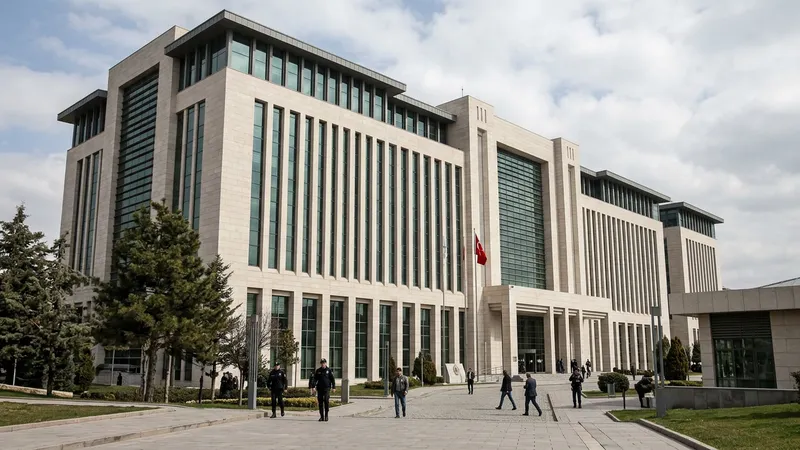
New Specialized Departments Established
Starting October 1, the Tax Inspection Board will inaugurate dedicated departments focused on organized tax evasion in Ankara and Istanbul. These specialized units are tasked with investigating the financial aspects of large-scale tax fraud and related economic offenses. The initiative aims to bridge the gap between administrative tax audits and ongoing judicial investigations.
Enhanced Inter-Agency Cooperation
The new offices will maintain a continuous flow of information with public prosecutors, the Financial Crimes Investigation Board (MASAK), and law enforcement agencies, including the police and gendarmerie. By integrating financial analysis from tax inspectors with forensic data from law enforcement, the government intends to create a unified investigative perspective. This collaborative model is designed to identify the individuals behind complex financial structures and criminal networks more effectively.
Focus on Complex Financial Fraud
These units will prioritize high-level criminal activities, such as organized document forgery and systematic tax evasion, rather than standard tax compliance checks. By providing prosecutors with comprehensive financial evidence, the authorities expect to improve their ability to track assets derived from illicit activities. Consolidating expertise from multiple institutions into a single case file is intended to bolster the overall capacity of the state to address financial misconduct.
Operational Implications and Uncertainties
The success of this structural change depends heavily on the efficiency of data sharing between the various involved agencies. While the government anticipates that this centralized approach will expedite legal proceedings, the practical effectiveness of these units in navigating complex, cross-border financial schemes remains to be seen. Furthermore, the long-term impact on tax collection rates and the deterrence of organized crime will likely be evaluated as these departments gain operational experience.