US House Links University Aid to Israeli Ties
The US House approved a bill requiring universities to maintain ties with Israeli groups to receive federal aid, sparking free speech debates.
Atlas Newsdesk ·
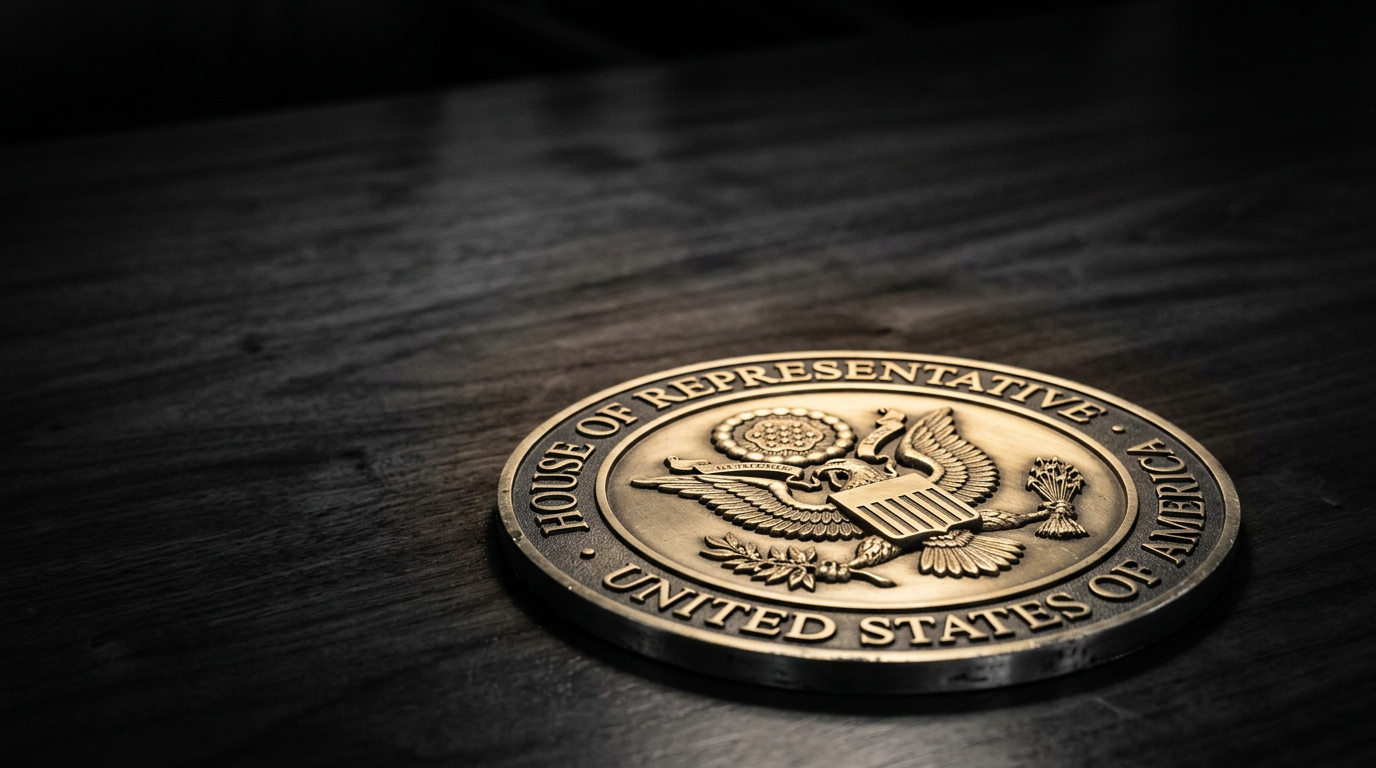
The United States House of Representatives has approved a legislative measure that would mandate educational institutions to maintain established engagement with Israeli organizations, including those operating in the West Bank, as a condition for receiving federal financial assistance. The bill garnered 237 votes in favor against 169 opposed during a Thursday vote. It now advances to the Republican-controlled Senate for further consideration. Should this legislation be enacted, universities would face a requirement to uphold formal affiliations with Israeli academic bodies, with non-compliance potentially leading to the cessation of federal grants and student aid programs.
Legislative Rationale and Objectives
Supporters of the bill, predominantly Republican members of Congress, assert its purpose is to prevent federal funds from inadvertently supporting discrimination against Israeli businesses and academic institutions. This proposed legislation emerges amidst heightened campus activism related to the ongoing conflict in Gaza. Proponents describe the bill as a protective measure against discriminatory actions, aiming to ensure that government funding does not indirectly endorse activities perceived as antisemitic or anti-Israel. They emphasize the importance of safeguarding academic and economic collaboration between American and Israeli institutions.
Concerns Over Free Speech and Academic Freedom
Conversely, critics, including numerous civil rights organizations and legal experts, contend that the bill infringes upon fundamental First Amendment rights, particularly freedom of speech and assembly. These groups argue that making federal funding contingent on suppressing boycott activities constitutes an unconstitutional overreach. They suggest such measures could effectively stifle political dissent through financial pressure, potentially impacting academic freedom significantly.
The legislative initiative is part of broader governmental efforts to counter the Boycott, Divestment, Sanctions (BDS) movement. This movement, initiated in 2005 by Palestinian civil society groups, advocates for various forms of pressure against Israel through economic and political means. Its proponents view BDS as a non-violent method to advance Palestinian rights, while opponents frequently label it antisemitic and detrimental to peace efforts. Many U.S. states have already enacted laws or policies that penalize entities participating in BDS.
Potential Impact on Higher Education
The federal bill seeks to extend similar restrictions to universities nationwide, potentially altering the landscape of campus activism and governance. Universities could face a complex choice: risk losing substantial federal funding by allowing boycott activities or restrict free expression to retain financial support. The outcome in the Senate will be closely monitored for its broader implications on academic freedom and civil liberties within higher education settings. Universities frequently become focal points for these contentious issues, and this legislation aims to directly influence how these institutions manage such debates when federal funding is at stake.