Prosecutors Reopen Criminal Cases Against Former Undercover Officers
The Crown Prosecution Service is assessing an evidence file for potential criminal charges against 12 former undercover police officers over operations…
Atlas Newsdesk ·
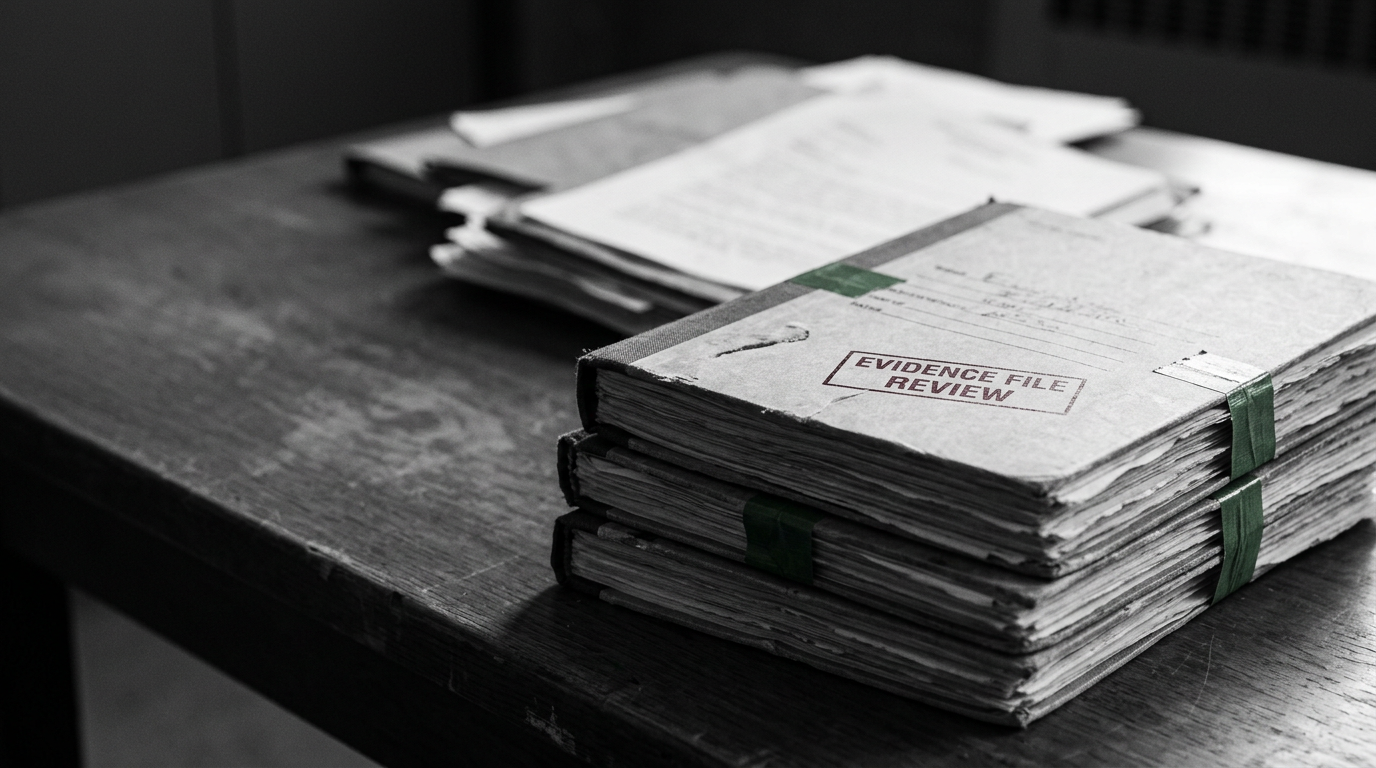
The Crown Prosecution Service (CPS) is currently examining an evidence dossier to determine if criminal charges should be brought against a dozen former police officers. These individuals were involved in historical undercover operations that spanned from 1968 to 2010, focusing on the surveillance of various political activist organizations. This development signifies a notable advancement in the scrutiny surrounding past undercover policing practices.
The review specifically targets
allegations of misconduct in public office.
If the CPS authorizes charges, it would represent an unprecedented move, marking the first time officers involved in such long-term surveillance operations have faced criminal prosecution. These operations have previously been the subject of an extensive public inquiry and several internal police investigations.
Allegations and Prior Findings
Among the serious allegations against the former officers are instances of unauthorized conduct. This includes forming deceptive intimate relationships with individuals under surveillance and manipulating judicial proceedings, which could compromise the integrity of legal processes. These specific claims highlight the severe ethical and legal boundaries potentially crossed during their assignments.
Earlier tribunal decisions have already pointed to systemic negligence or even complicity on the part of senior police management concerning these controversial activities. These findings underscore a broader institutional failure to adequately oversee or control the actions of undercover operatives. The current prosecutorial review will be critical in establishing the degree of individual criminal responsibility for actions undertaken within state-sanctioned surveillance units.
Historical Context and Public Inquiry
The operations under review are part of a broader historical context of undercover policing in the United Kingdom. Public inquiries, such as the Undercover Policing Inquiry (UCPI), were established to examine the impact of covert policing on individuals and democratic movements.
These inquiries have unearthed widespread issues, including the use of deceased children's identities, the infiltration of legitimate protest groups, and profound psychological harm to activists who unknowingly formed relationships with officers.
The UCPI, launched in 2015, specifically investigates the activities of two units: the Special Demonstration Squad (SDS) and Public Order Intelligence Unit (NPOIU). Its mandate is to examine undercover policing tactics, especially between 1968 and 2008, and make recommendations to prevent future abuses. The findings of the CPS review could significantly influence the public inquiry's conclusions and potential recommendations for police conduct and oversight mechanisms going forward.
Broader Implications for Law Enforcement
A decision by the CPS to press charges would send a strong message regarding accountability within law enforcement agencies. It would reinforce the principle that police officers, even when operating covertly, are not exempt from the law and must adhere to strict ethical and legal guidelines.
Such a precedent could lead to increased scrutiny of current and future undercover operations, potentially prompting reforms in training, oversight, and internal disciplinary procedures. This could affect public trust in policing and the balance between state security interests and individual civil liberties.