Federal Agent Indicted for Perjury in Minnesota Shooting Investigation
A former ICE agent faces federal charges for false testimony regarding a January shooting in Minnesota, where his account was contradicted by evidence.
Atlas Newsdesk ·
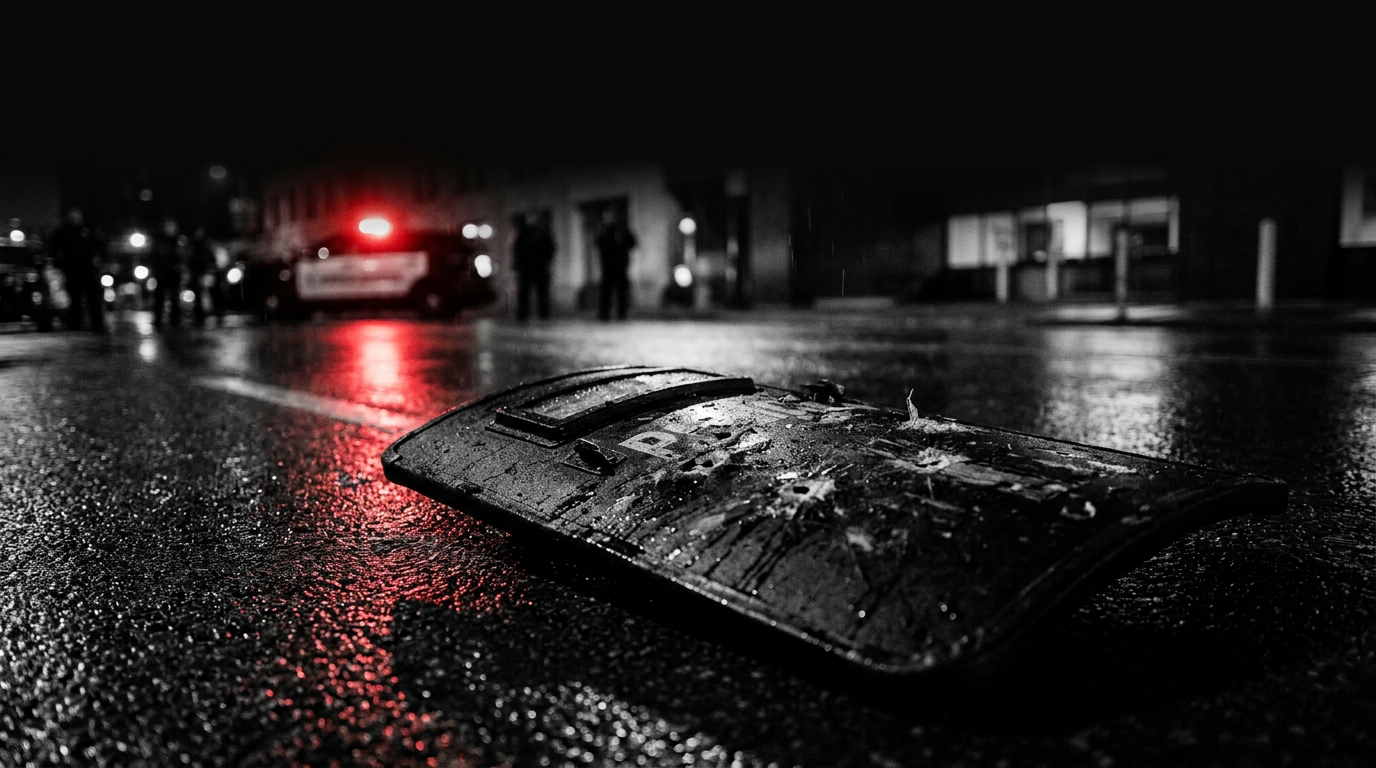
Federal prosecutors have filed an indictment against Christian Castro, a former Immigration and Customs Enforcement (ICE) agent, for allegedly providing false testimony related to a shooting incident that occurred in Minnesota in January. Mr. Castro, previously an official with the Department of Homeland Security, is accused of lying to investigators regarding the events that led to 24-year-old Venezuelan national Julio Cesar Sosa-Celis being wounded.
The charges stem from a confrontation where Mr. Castro discharged his firearm through the door of a private residence. This action took place while he was pursuing individuals following an earlier traffic stop. Surveillance footage later emerged, which reportedly contradicted Mr. Castro's initial sworn statement. His initial account claimed he had been assaulted by the occupants of the residence.
State and Federal Legal Proceedings
In addition to the federal charges, Mr. Castro faces felony assault charges at the state level in Minnesota. However, his extradition from Texas, where he was detained, was blocked by Governor Greg Abbott. This intervention resulted in Mr. Castro's release after he had been held for 90 days, preventing his transfer to Minnesota for state-level prosecution.
The federal indictment represents a notable action by the Department of Justice, which historically has afforded broad protections to immigration enforcement personnel. This move is considered a relatively rare instance of the department pursuing such charges against an ICE agent for actions taken during official duty.
Broader Context of Enforcement and Oversight
Despite the federal charges, reports indicate that federal officials have imposed restrictions on prosecutors, preventing them from pursuing additional civil rights violations that may have occurred under the color of law in connection with this incident. This limitation on prosecution capacity highlights the complex legal and political landscape surrounding federal law enforcement oversight.
The incident itself unfolds amidst a broader federal initiative aimed at intensifying deportation operations across the country. The Department of Homeland Security recently reported a significant increase in enforcement activities, noting a record 50,925 arrests in August 2026. This period of heightened enforcement underscores the pressures and scrutiny faced by agents in the field, as well as the legal challenges that can arise from such operations.
Implications for Federal Oversight
The charges against Mr. Castro could influence future discussions regarding accountability for federal immigration agents and the scope of their authority during operations.
While the Justice Department has shown willingness to pursue certain charges, the reported restrictions on civil rights investigations suggest ongoing internal debates about the extent of such oversight. The case also brings attention to the interplay between state and federal jurisdictions, particularly when governors intervene in extradition processes involving federal agents.
The outcome of this federal indictment and any subsequent legal proceedings will be closely watched by civil rights advocates, immigration policy observers, and law enforcement agencies alike. It could set precedents for how allegations of misconduct by federal agents are handled, especially when evidence contradicts official statements.