Ethiopia's Tigray dispute pressures AU prevention drive
Tigray tensions are testing the African Union's prevention agenda as disputes over the Pretoria truce deepen in northern Ethiopia.
Lauren Collins ·
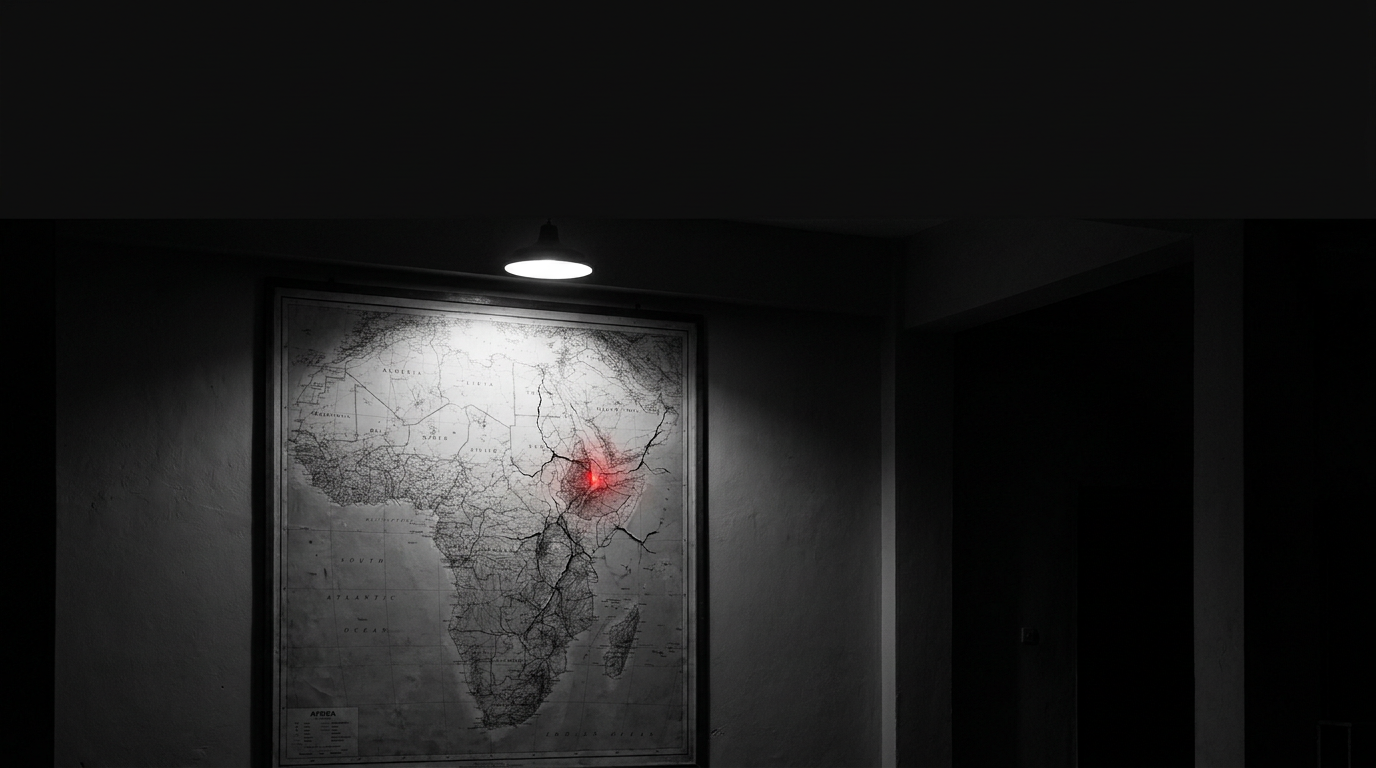
Tigray tensions are testing the African Union's early-warning agenda after new fighting near Sudan threatened Ethiopia's 2022 Pretoria truce.
The pressure comes barely a week after African leaders met in Luanda, Angola, to strengthen the African Union's conflict-prevention machinery. The issue is no longer whether warning signs exist, but whether the AU can convert them into diplomatic pressure before the ceasefire framework weakens further.
Pretoria truce under strain
Ethiopia's federal government and the Tigray People's Liberation Front, the main political force in Tigray, have been at odds for more than a year over the November 2022 Pretoria Cessation of Hostilities Agreement. The AU brokered that accord after the 2020-2022 war, which left civilians exposed to widespread abuses and displacement.
The unresolved files are practical and political: contested areas, the return of displaced residents, and the disarmament provisions in the agreement. Both sides have accused the other of preparing for renewed conflict, according to the source material, leaving the truce vulnerable to claims that are difficult to test without public monitoring.
In August, heavy fighting was reported between federal forces and Tigrayan forces near Ethiopia's border with Sudan. Reports cited artillery and drone strikes, a shift that would place the dispute beyond a purely political standoff if confirmed through monitoring mechanisms.
Luanda pledges meet Tigray
The African Union had already expressed concern about conditions in Tigray in March 2025. The AU Peace and Security Council, which includes Ethiopia, then called on August 12 for stronger links between continental early warning and preventive action.
On August 24, the council validated a new Trigger Model for Early Warning and Response. The model is intended to connect identifiable risks to earlier intervention, and the Luanda summit soon after gave political weight to prevention, mediation, and faster crisis response.
Northern Ethiopia now offers a direct test of those commitments. If the AU waits for battlefield developments to set the pace, its early-warning system risks becoming a reporting channel rather than a prevention tool.
Mediation channel loses confidence
The political channel meant to manage the dispute is also under pressure. Efforts to restart mediation have brought concern over whether the current arrangement still has the confidence of both Ethiopia's federal authorities and the TPLF.
That confidence matters because monitoring without buy-in can produce reports that one side rejects before they are read. Public reporting by the Monitoring, Verification and Compliance Mechanism would give diplomats, civilians, and regional actors a clearer basis for judging claims about remobilization and violations.
Human Rights Watch has said civilians remain at risk in the region. The organization reported continuing abuses against Tigrayans by authorities and security forces in Western Tigray in April, and more recently said the TPLF had forcibly recruited civilians, including children as young as 15.
Civilians remain the pressure point
The immediate burden falls on communities caught between competing armed and political authorities. Displaced people cannot safely return while territorial control, local security, and disarmament remain disputed parts of the Pretoria settlement.
For Ethiopia's government, renewed confrontation would complicate efforts to present the 2022 agreement as a durable national settlement. For the TPLF, allegations of forced recruitment and military mobilization add pressure on its claim to represent civilian security in Tigray.
The wider African peace and security architecture also has a stake. The AU's prevention agenda depends on whether its institutions can move from warnings and summit language to visible action in a member state represented on its own Peace and Security Council.
If the AU secures stronger mediation and public compliance reporting, the most direct effect would be to lower the risk of renewed fighting in northern Ethiopia and preserve space for civilian returns. If the process stalls instead, the Tigray dispute could absorb more diplomatic and humanitarian attention, weaken confidence in AU-led mediation, and leave other conflict-prevention efforts on the continent with a poorer precedent.