

Democrat Cindy Holscher Wins Kansas Gubernatorial Election
Democrat Cindy Holscher secured the Kansas governorship, overcoming a significant spending disadvantage and a Republican-leaning electorate by focusing on…
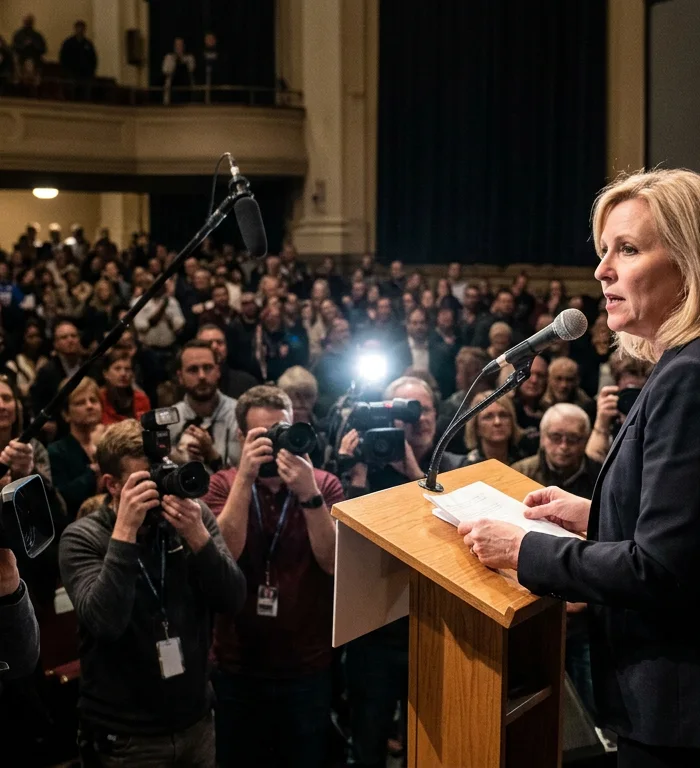
Democratic state Senator Cindy Holscher has won the Kansas gubernatorial election, defeating Republican state Senate President Ty Masterson. This outcome maintains Democratic control of the governor’s office, succeeding two-term incumbent Laura Kelly. The result represents a significant political shift in a state where registered Republicans outnumber Democrats by a two-to-one margin and where the Republican presidential candidate secured a double-digit victory in the most recent cycle.
The election outcome occurred despite a substantial financial disadvantage for the Democratic campaign, which faced a nearly three-to-one spending gap in advertising. Analysts note that voter dissatisfaction regarding national economic conditions and specific federal policies, such as tariffs, contributed to the narrowing of the race. The Republican candidate’s alignment with administration proved to be a liability in the final stages of the campaign, despite an active effort to distance his platform from federal leadership.
Policy divergence regarding infrastructure and industrial development served as a primary point of contention. Holscher campaigned on a platform of implementing a statewide moratorium on new data center construction, citing concerns over community impact and fiscal oversight. Conversely, Masterson supported existing legislation that provides sales tax exemptions for data center investments, a position backed by industry-aligned political action committees.
Institutional stability may face challenges as the incoming administration navigates a legislature dominated by the opposing party. The transition follows a contentious Democratic primary, which initially saw the outgoing governor support a different candidate. Holscher’s ability to implement her proposed moratorium on data centers will likely depend on her capacity to negotiate with a Republican-led state legislature that has previously favored tax incentives for such projects. Observers should monitor the new administration’s approach to federal-state relations, particularly regarding the balance between seeking federal cooperation and opposing specific national economic policies that impact the state’s agricultural sector.
More stories
- FAA halts US departures after communications disruption
- Europe faces unity test as Trump revives Ukraine diplomacy
- Lutnick faces AI chip scrutiny as Bessent faults Commerce
- Senate Democrats face leadership fight after midterm gains
- T-Mobile agrees to drop 50 GB cap in New York broadband deal
- Iran threats put Bessent security alongside sanctions push
- Iran war poll shows Trump approval stuck at 33% record low
- H-1B visa fee proposal raises stakes for tech hiring plans
Latest news
- Democrats push AI regulation as two state veterans arrive
- AI investment boom binds global suppliers to US spending
- Trump extends Jones Act waiver for another 90 days: official
- Russia reports 1% growth as refinery output declines 18%
- North Korea changes flag as Kim reshapes national symbols
- Nvidia names Kress interim CEO after Huang exits in scandal