Delhi Metro shuts 18 stations again as NEET-linked protest curbs access
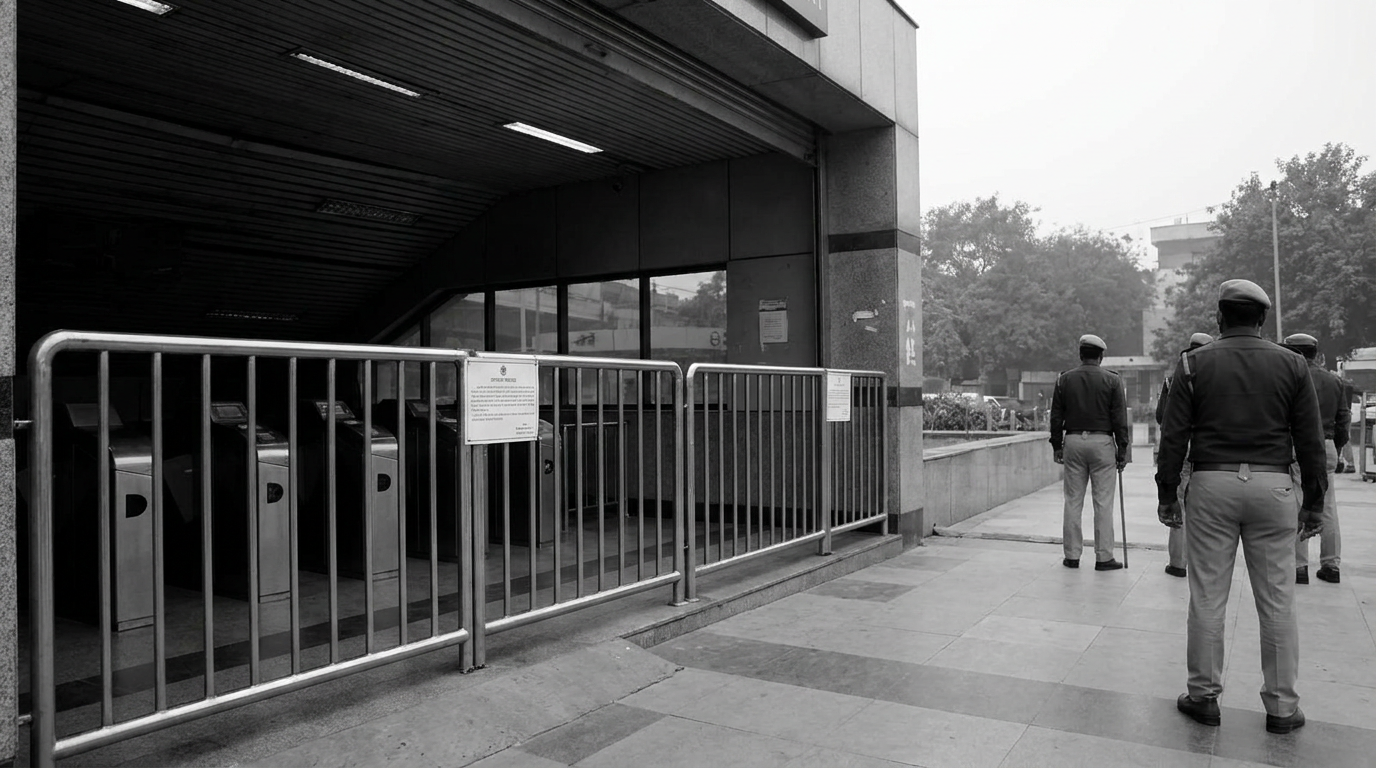
Delhi Metro has closed 18 stations due to ongoing NEET protests near Jantar Mantar, causing commuter delays and increased security across the network.
Mei Lin ·
# Delhi Metro shuts 18 stations again as NEET-linked protest curbs access
Delhi Metro again closed 18 stations on the back of continuing protests tied to the National Eligibility cum Entrance Test (NEET) issue near Jantar Mantar, restricting access across parts of central Delhi. The repeated closures have turned a local law-and-order response into a daily commuter problem, with knock-on effects for offices, tourists, and anyone transiting through the core administrative district.
Delhi Metro
The advisory circulating around the disruption says the shutdown has entered a fourth day and urges riders to plan alternatives. The immediate trigger is crowd management around Jantar Mantar, a frequent demonstration site near key government buildings and arterial roads.
The Delhi Metro is the backbone of daily mobility in India’s capital, linking dense residential neighborhoods to the central business district and government quarters. When a cluster of stations is closed at once, the impact is less about the rail network’s capacity and more about access control: station gates become pressure points for crowd movement, policing, and emergency response.
The protest focus is the NEET examination, India’s national entrance test used for admissions to undergraduate medical programs. NEET’s high stakes and nationwide participation mean any controversy or dispute can translate quickly into organized demonstrations, especially in Delhi, where student groups often gather to seek attention from ministries and national agencies.
Delhi Metro
For the region, the disruptions highlight how quickly civic protests can strain urban transport systems in South Asia’s largest cities. Delhi’s administrative center also acts as a magnet for visitors, consular services, and commercial activity; closing multiple stations can shift congestion to roads, lengthen last-mile travel, and raise costs for ride-hailing and taxis.
The spillover is also reputational and operational. Repeated central-area shutdowns can complicate business travel and event planning, and they test the city’s ability to keep critical services running while maintaining security. If closures persist, the burden can spread outward as riders crowd onto interchange stations and alternative lines, changing passenger flows across the network.
Watch whether authorities keep the station-closure template in place or narrow it as crowd sizes change around Jantar Mantar; a concrete signal will be any official update from Delhi Metro on the number of stations affected and the hours of restriction. By 2026-07-31, the situation will look “right” if the list of closed stations shrinks or closures are limited to short windows around peak protest activity; it will look “wrong” if the same scale of shutdown continues daily or expands to additional stations, indicating a longer security posture rather than a temporary crowd-control measure.