

Global Datacenter Carbon Emissions Projected to Rise 70% by 2030
Rapid growth in AI infrastructure is expected to drive a 70% increase in datacenter carbon emissions by 2030, fueled by a heavy reliance on gas in the US and…
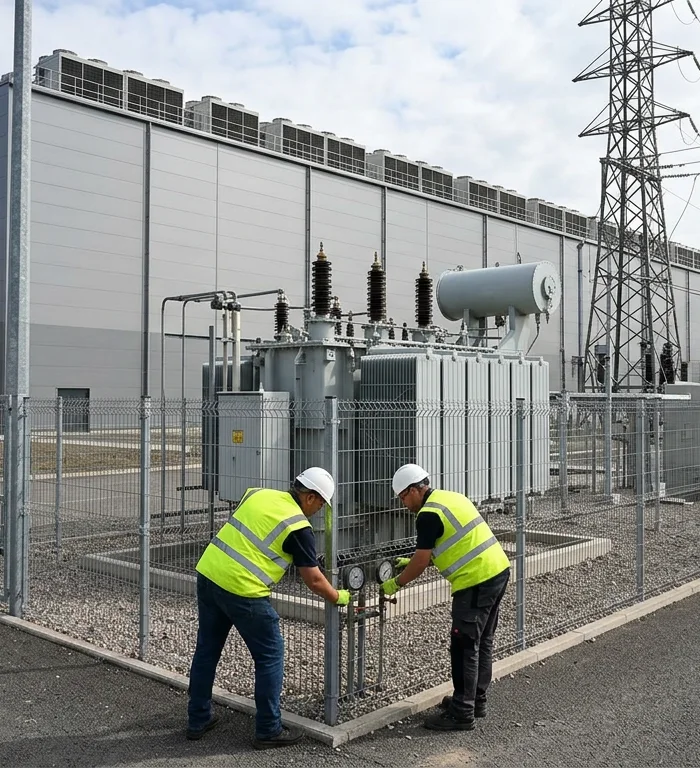
Global carbon emissions from datacenters are projected to increase by 70% by 2030, driven primarily by the rapid expansion of artificial intelligence infrastructure. Projections indicate that datacenter electricity consumption will double within the next four years, with AI operations accounting for 75% of this growth. This surge represents an additional 350 terawatt-hours of annual electricity demand, equivalent to the total yearly consumption of Great Britain.
Energy procurement strategies for this expansion vary significantly by region, with a heavy reliance on fossil fuels in major markets. In the United States, developers are planning approximately 180 gigawatts of new gas-fired power capacity to support datacenter operations, which would provide roughly 60% of the sector's electricity needs by 2030. This planned gas capacity is nearly equivalent to the total existing gas-fired generation currently installed across the European Union.
Great Britain
China’s strategy remains heavily dependent on coal, which is expected to supply approximately 50% of the electricity required for its AI datacenters by the end of the decade. Conversely, the European Union is projected to source 70% of its datacenter power from renewable energy, supplemented by nuclear and gas. The disparity in energy sourcing highlights a significant divergence in regional decarbonization trajectories for the technology sector.
Data indicates that global datacenter capacity has increased tenfold over the past 24 months, reaching 17 gigawatts for AI-specific facilities. An additional 120 gigawatts of capacity is expected to be commissioned by 2030, with 75% of this growth dedicated to AI. The reliance on fossil fuels to meet this demand poses a challenge to corporate and national climate commitments, as the pace of infrastructure development currently outstrips the deployment of renewable energy sources in key markets.
More stories
- The Week in Games: GTA 6 turns attention into cash
- US data centres emit 25.7m tonnes of CO2, Harvard says
- German founders need 3,942 hours to open small business
- Leaked Deutsche Bank files test Sewing's reform narrative
- UAE employers plan 2.8% pay rises for 2027
- Bessent urges Nvidia to seek outside CEO as scrutiny grows
- Snowflake says semantics belong in its catalog and buyers should price lock-in
- Press release claims China chip packaging growth; what OEMs and software vendors should expect
Latest news
- Social Security raises 2027 benefits 3.6%
- Hull City 2–0 Brighton: When Resilience Beat Reputation
- David Parr House to honor Victorian art-workman with blue plaque
- Iran's attacks hit 25 tankers near Strait of Hormuz
- FCC approves prison cellphone jamming despite 2.5-mile warning
- Russia strikes Ukraine as Odesa faces electricity strain
- Bahrain reports two injuries after Iranian aerial attacks
- Congress tests Black Democrats' growing policy influence