

Ukraine Cripples $3.7 Billion Kerch Bridge, Severing Vital Russian Supply Line
Ukraine has partially disabled the $3.7 billion Kerch Bridge using a coordinated drone and missile strike, significantly complicating Russian military…
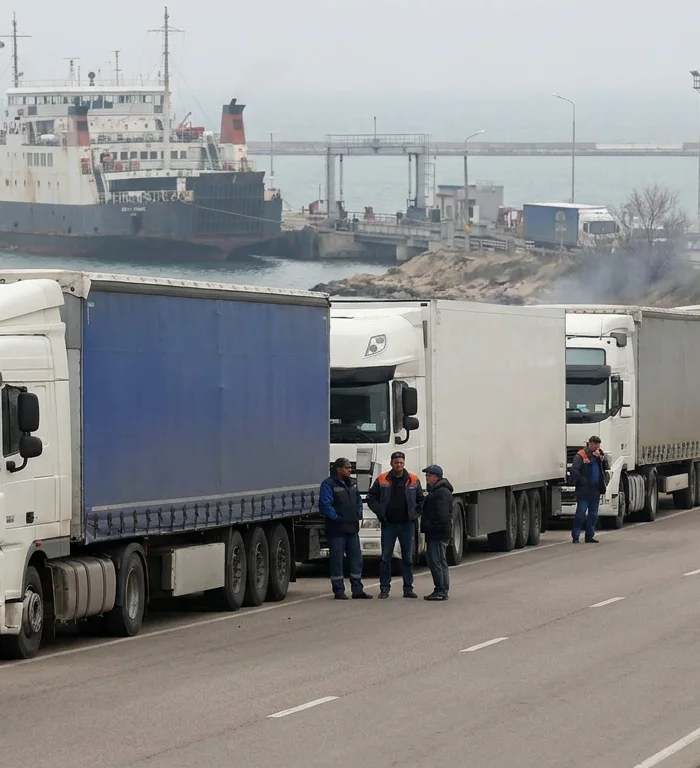
Ukrainian forces have successfully executed a coordinated strike against the Kerch Bridge, a critical transport artery connecting Russia to the Crimean Peninsula. The operation utilized a combination of domestically produced drones and cruise missiles, including the R-360 Neptune and Ruta systems, to bypass Russian air defense networks. The strike resulted in the collapse of a road section and caused uncertain damage to the parallel rail infrastructure.
This action follows a month-long Russian campaign targeting Ukrainian bridge infrastructure in regions including Kyiv, Dnipro, and Odesa. Ukrainian officials characterized the strike as a strategic response to these attacks and a broader effort to degrade Russian military logistics in the southern theater. The Kerch Bridge serves as a primary supply line for both the civilian population of Crimea and Russian military forces stationed in the region.
Kerch Bridge
Russian authorities have confirmed the closure of the bridge, though they maintain that alternative supply routes remain functional. The Russian transport ministry reported that limited rail traffic may resume on a single track, while local officials in Crimea have downplayed the impact on essential goods. Despite these assurances, the disruption forces Russian logistics to rely on ferry services and overland routes through occupied territories, both of which remain vulnerable to Ukrainian interdiction.
Analysts indicate that the degradation of this route complicates the sustainment of Russian forces in the Black Sea region and potentially hinders the launch of drone strikes originating from the peninsula. The destruction of the bridge also carries significant psychological implications, as the structure was previously promoted by Moscow as one of the most heavily defended assets in the region. Future operational success for Ukraine will likely depend on the ability to maintain pressure on these alternative logistical corridors while preventing the full restoration of the rail link.
More stories
- Germans oppose Ukraine aid as poll shows support slipping
- Kim Jong-un receives 10 envoys after constitutional shift
- Ukraine claims Libya strike sinks Russian naval corvette
- COP31 climate talks collapse over fossil fuels and funds
- Russian military faces 1,087 recorded suicides in Ukraine war
- US faces China, Russia in Africa minerals contest
- Israel panel undercuts Likud fraud claim over 19 Arab-led seats
- Asif Merchant receives 27 years for U.S. assassination plot
- Pangilinan questions Davao assessor on 379 sqm SALN lot
- Ruling-family cases leave reform uncertain in 6 African states
Latest news
- Trump prepares tariffs on China and other major exporters
- New-car buyers pay record average $50,087 in October
- Banks face ECB reserve debate over liquidity and profits
- Investors see Anthropic debut gains fade below $83 a share
- Iraq orders federal control over Kurdish-area oilfields
- Nvidia shares retreat as AI rally cools before PCE data
- Macy’s parade faces balloon limits as storm winds approach