

U.S. Moves to End $3.8 Billion Annual Military Aid to Israel
The U.S. government has announced plans to end $3.8 billion in annual military aid to Israel by year-end, though legislative and contractual hurdles to a…
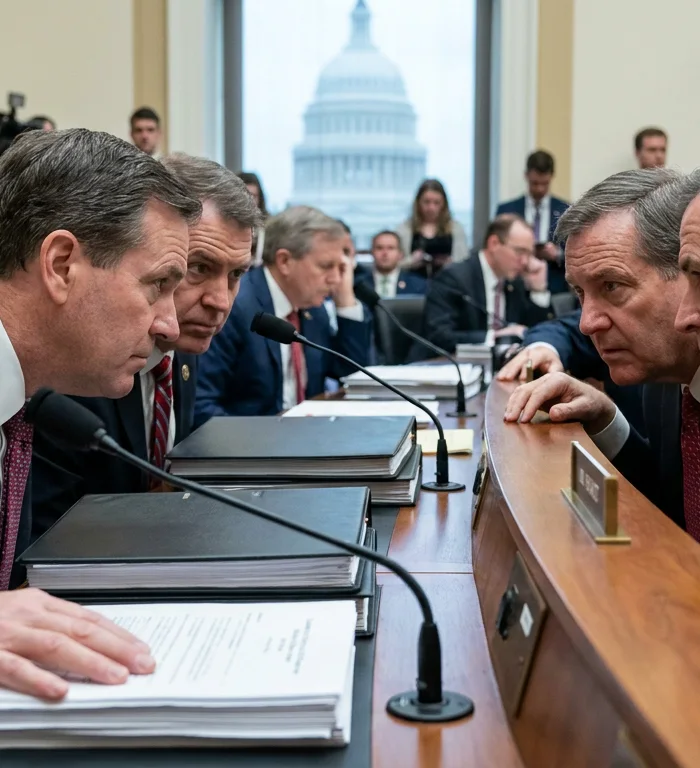
Following the November 3 midterm elections, the U.S. administration has announced the intent to terminate the $3.8 billion in annual military aid currently provided to Israel by the end of the 2026 calendar year. This policy shift follows polling data indicating that a majority of U.S. voters favor reducing or eliminating military support for Israel and oppose the ongoing conflict with Iran.
Despite the administration’s stated intent, the legal and logistical framework for ending this support remains complex. The existing bilateral military aid agreement is scheduled to run through fiscal year 2028, and the administration has not yet detailed the mechanism for an early cessation of funding. Furthermore, the termination of direct annual aid does not automatically preclude supplemental military funding or the continued procurement of U.S. weapons by Israel through government-to-government sales and commercial contracts.
There is also significant scrutiny regarding Section 219
Legislative focus has now shifted to the upcoming appropriations process for fiscal year 2027. Lawmakers are under pressure to remove existing earmarks for Israeli military aid from pending spending bills and to block new arms deliveries under current export licenses. There is also significant scrutiny regarding Section 219 of Defense Authorization Act for fiscal 2027, which seeks to expand joint weapons development and military technology cooperation between the two nations.
Policy analysts note that the cessation of direct aid may not fully decouple U.S. military infrastructure from Israeli operations. Future legislative efforts are expected to target the transparency of commercial arms sales and the prohibition of joint production initiatives, such as those proposed in H.R. 10796. The effectiveness of these measures in halting the flow of U.S.-origin technology to Israeli forces remains a primary point of contention for the incoming Congress.
More stories
- Germans oppose Ukraine aid as poll shows support slipping
- Kim Jong-un receives 10 envoys after constitutional shift
- Ukraine claims Libya strike sinks Russian naval corvette
- COP31 climate talks collapse over fossil fuels and funds
- Russian military faces 1,087 recorded suicides in Ukraine war
- US faces China, Russia in Africa minerals contest
- Germans’ democracy satisfaction falls to one-third
- Sudan authorities leave Ahmed Haroun arrest reports unconfirmed
- SpaceX explores Tesla merger as Musk backs company talks
- EU lawmakers back Muslim Brotherhood resolution by 381 votes
Latest news
- Trump prepares tariffs on China and other major exporters
- New-car buyers pay record average $50,087 in October
- Banks face ECB reserve debate over liquidity and profits
- Investors see Anthropic debut gains fade below $83 a share
- Iraq orders federal control over Kurdish-area oilfields
- Nvidia shares retreat as AI rally cools before PCE data
- Macy’s parade faces balloon limits as storm winds approach