

Ebola Outbreak Escalates in Congo Amid Governance and Financial Oversight Concerns
The Ebola outbreak in the Democratic Republic of the Congo has resulted in 5,500 deaths, while $700 million in aid remains unaccounted for amid political…
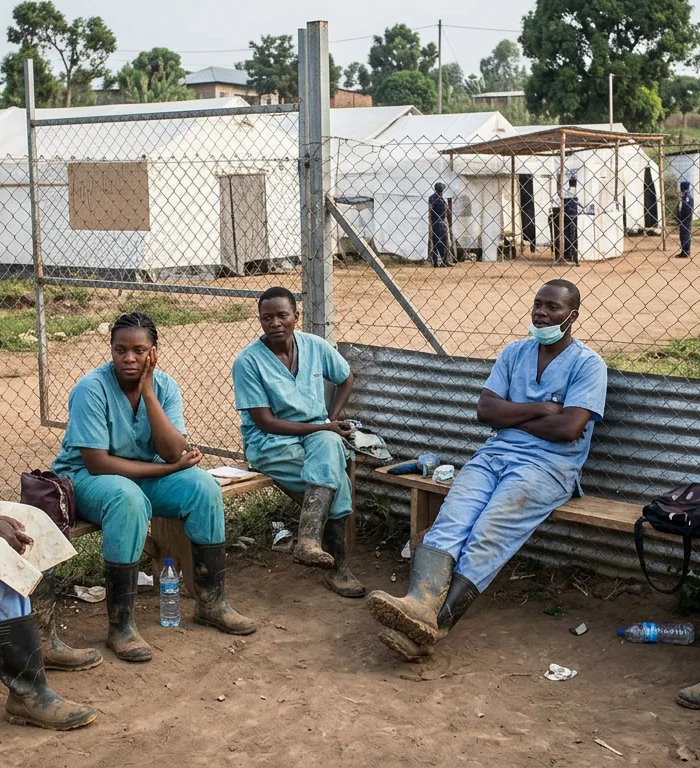
The Ebola outbreak in the Democratic Republic of the Congo has reached a critical stage, with infection rates doubling since the onset of the crisis six months ago. Official figures report over 11,000 infections and 5,500 deaths, with more than 80 percent of new cases occurring outside established contact tracing protocols. Health authorities characterize the current situation as uncontrolled, citing a combination of systemic underfunding, regional armed conflict, and the expansion of mining operations that increase human-animal viral transmission.
Financial oversight remains a primary concern for international stakeholders. While donors have pledged $1.6 billion in aid, approximately $700 million of the $962 million already disbursed remains unaccounted for. An investigation is currently underway to determine the cause of this discrepancy, following historical precedents of fund misappropriation during previous health crises. Compounding these issues, local healthcare workers have initiated strikes due to prolonged non-payment, leading to critical shortages in fuel for medical transport and essential staffing.
President Félix Tshisekedi recently signed legislation that critics
Political instability further complicates the humanitarian response. President Félix Tshisekedi recently signed legislation that critics argue creates a pathway for a third presidential term, potentially violating constitutional term limits. This legislative shift has drawn opposition from a new rebel alliance, which warns that constitutional changes could destabilize ongoing peace negotiations. The political climate is exacerbated by the legacy of a 2025 peace accord, which prioritized access to critical minerals over domestic governance reforms.
Security risks are rising as the intersection of public health failure and political maneuvering threatens regional stability. The involvement of armed groups, including those linked to previous administrations, suggests that the government’s focus on consolidating power may continue to undermine the institutional capacity required to manage the epidemic. Observers are monitoring whether the lack of accountability in aid distribution and the potential for constitutional overhauls will lead to further civil unrest or a complete collapse of the public health infrastructure in eastern provinces.
More stories
- Dietitians advise small swaps for plant-based eating
- TikTok dementia videos mislead in 66.4% of sample, researchers say
- Aberdeen Royal Infirmary faces police inquiry call over 19 deaths
- Bariatric surgery group loses 28.2% after GLP-1 use
- TOFA boosts mouse energy use 18% while preserving muscle
- ICO probes NHS therapy notes accessible to up to 140,000 staff
- GSK wins FDA approval for Nelkarmi after 49% response rate
- Europe faces 35,000 drug-resistance deaths a year
- Personalized gait retraining cuts osteoarthritis knee pain by 2.5 points
- Wall squats may lower blood pressure after four weeks
Latest news
- David Parr House to honor Victorian art-workman with blue plaque
- Iran's attacks hit 25 tankers near Strait of Hormuz
- FCC approves prison cellphone jamming despite 2.5-mile warning
- Russia strikes Ukraine as Odesa faces electricity strain
- Bahrain reports two injuries after Iranian aerial attacks
- Congress tests Black Democrats' growing policy influence
- Baltic responders fight Sparta II fire after drone strike
- Europe faces attribution gap after 16 cyber, physical incidents