

China tourism push hits Level 3 US travel warning
Beijing pitched US event planners in Las Vegas as Washington continues to warn about exit bans and arbitrary law enforcement in mainland China.
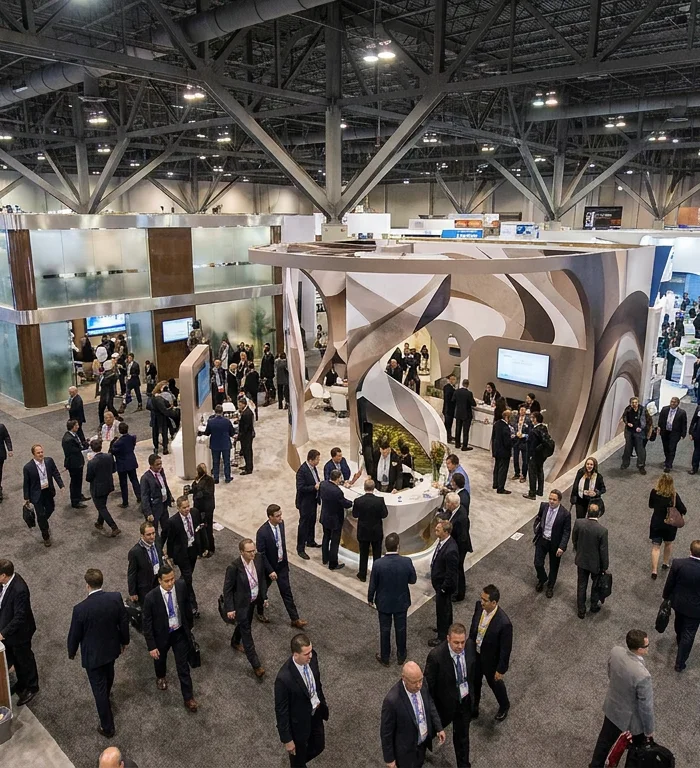
China's Ministry of Culture and Tourism took a promotional pavilion to IMEX America in Las Vegas this week, pitching US event planners under a Level 3 US travel advisory.
The state-media report dated Oct. 14 placed Beijing's tourism promotion inside a US corporate events forum, while the State Department's Level 3 label tells Americans to "Reconsider Travel" to mainland China.
IMEX America
The Washington problem for Beijing is not only demand for tourism. The State Department advisory cites arbitrary enforcement of local laws and exit bans that can affect foreign business executives, making corporate travel approval a legal and security issue for US employers.
China's expanded Counter-Espionage Law adds another layer for companies sending staff, consultants or due-diligence teams into the country. The law widened the definitions around national secrets, a change that has increased caution around data handling and ordinary business information.
Congress has also pressed the risk case. The House Select Committee on the Chinese Communist Party and federal national security officials have warned US corporate leaders against treating China travel and data-sharing protocols as routine business decisions.
For Beijing's tourism agencies, the Las Vegas pitch is a commercial test of whether meetings, incentives and conference planners will separate destination marketing from geopolitical risk. For US companies, the decision mechanism runs through legal departments, insurers, corporate security teams and travel managers before an executive gets on a plane.
If the State Department keeps the Level 3 language in place, Beijing's pavilion diplomacy may bring inquiries without converting them into large US corporate delegations; that would limit spillovers for airlines, hotels and conference operators tied to China-bound business travel. If Washington softens the advisory or issues clearer corporate-travel guidance, China's tourism push would gain a policy opening, with the first effect likely showing up in company travel approvals rather than broad US-China trade flows.
The next observable is the State Department's Consular Affairs language for mainland China. A softer advisory would validate Beijing's bet that commercial engagement can outrun Washington's security warnings; unchanged or tougher language would leave the Las Vegas pitch inside the same risk framework US companies face now.
More stories
- DR Congo starts Ebola vaccine trial in 9,700-case outbreak
- EU faces Vietnam rights pressure over $57.9bn trade gap
- Makura cites 50 AfCFTA ratifications in Africa image challenge
- Indonesia cuts Singapore gas exports by 31m cubic feet a day
- Taiz hospital cuts dialysis sessions to 2.5 hours
- Lebanese doubt Oct. 27 Israel vote ends south Lebanon presence
- Iran changes Hormuz attack tactics, senior officials say
- Ethiopian troops reach Zalambessa border town, sources say
- Bitcoin Holds Below $80,000 as ETF Demand Tops $1B Again
- Strait of Hormuz faces Iran zone plan after strikes
Latest news
- eBay to cut 9% of workforce despite improved outlook
- Cramer backs index funds over Berkshire for inheritance
- Grok picks Republicans in 92% of forced API election prompts
- Bihar presses lenders over 38.25% credit-plan progress
- Berkshire shares set records after Buffett succession selloff
- MTCH2 blockade reduces fat-cell formation in early lab work
- Kotak Mahindra Bank posts 26% profit gain
- CDC counts 4,588 US measles cases in 2026