

President Strips Vice President of Iran Negotiation Duties
President Trump has removed Vice President Vance from Iran negotiations, signaling a shift toward a strategy of economic and naval pressure rather than…
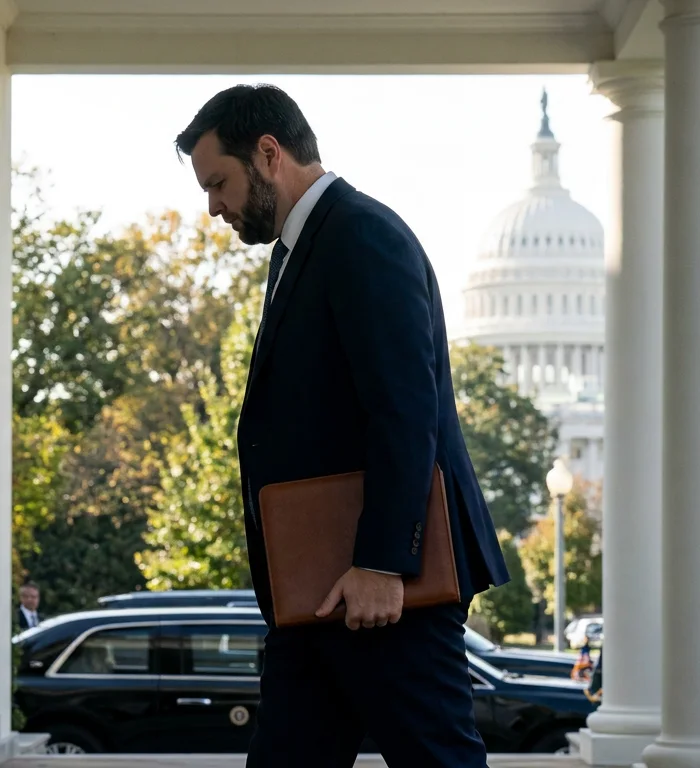
President Donald Trump has formally removed Vice President J.D. Vance from his role as lead negotiator for Iran-related peace efforts. The decision follows public disagreement regarding the impact of the ongoing conflict on recent midterm election results, which saw significant losses for the Republican Party. The Vice President had reportedly expressed openness to direct diplomatic engagement with Iranian officials, a position that appears to conflict with the President’s current strategic direction.
Following the removal, the President stated that the Vice President will be redirected to focus on investigating alleged corruption within Democratic-led jurisdictions. This shift in portfolio effectively sidelines the Vice President from foreign policy deliberations regarding the Middle East. The administration has signaled that it will not pursue a formal peace deal with Iran at this time.
Analysts suggest the administration is moving toward a
Analysts suggest the administration is moving toward a Analysts suggest the administration is moving toward a policy of economic and naval strangulation rather than military escalation or diplomatic resolution. This approach involves maintaining existing sanctions and naval blockades to pressure the Iranian government while avoiding the political risks associated with a formal agreement. The strategy remains fluid, characterized by significant ambiguity regarding long-term objectives in the region.
Recent reports indicate that the President is currently managing a period of political volatility following the midterm election results. The administration has signaled an intent to challenge the integrity of the election outcomes and has threatened legal action against congressional members involved in oversight investigations. Furthermore, the appointment of new leadership within the White House staff suggests a consolidation of executive power as the administration navigates the remainder of its term.
More stories
- Germans oppose Ukraine aid as poll shows support slipping
- Kim Jong-un receives 10 envoys after constitutional shift
- Ukraine claims Libya strike sinks Russian naval corvette
- COP31 climate talks collapse over fossil fuels and funds
- Russian military faces 1,087 recorded suicides in Ukraine war
- US faces China, Russia in Africa minerals contest
- Melaka vote puts living costs before 687,697 voters
- Cameroon faces succession test after Biya's 10-week absence
- North Korea fires about 10 missiles before border deadline
- EU faces AI gaps with 90% rare-earth reliance on China
Latest news
- Trump prepares tariffs on China and other major exporters
- New-car buyers pay record average $50,087 in October
- Banks face ECB reserve debate over liquidity and profits
- Investors see Anthropic debut gains fade below $83 a share
- Iraq orders federal control over Kurdish-area oilfields
- Nvidia shares retreat as AI rally cools before PCE data
- Macy’s parade faces balloon limits as storm winds approach