Byzantine gold finds map a Croatian shipwreck’s hidden story
A decade-long dive effort near Mljet has used Byzantine-era gold artifacts to piece together the identity and era of a shipwreck off Croatia’s Adriatic coast.
Omar Farouk ·
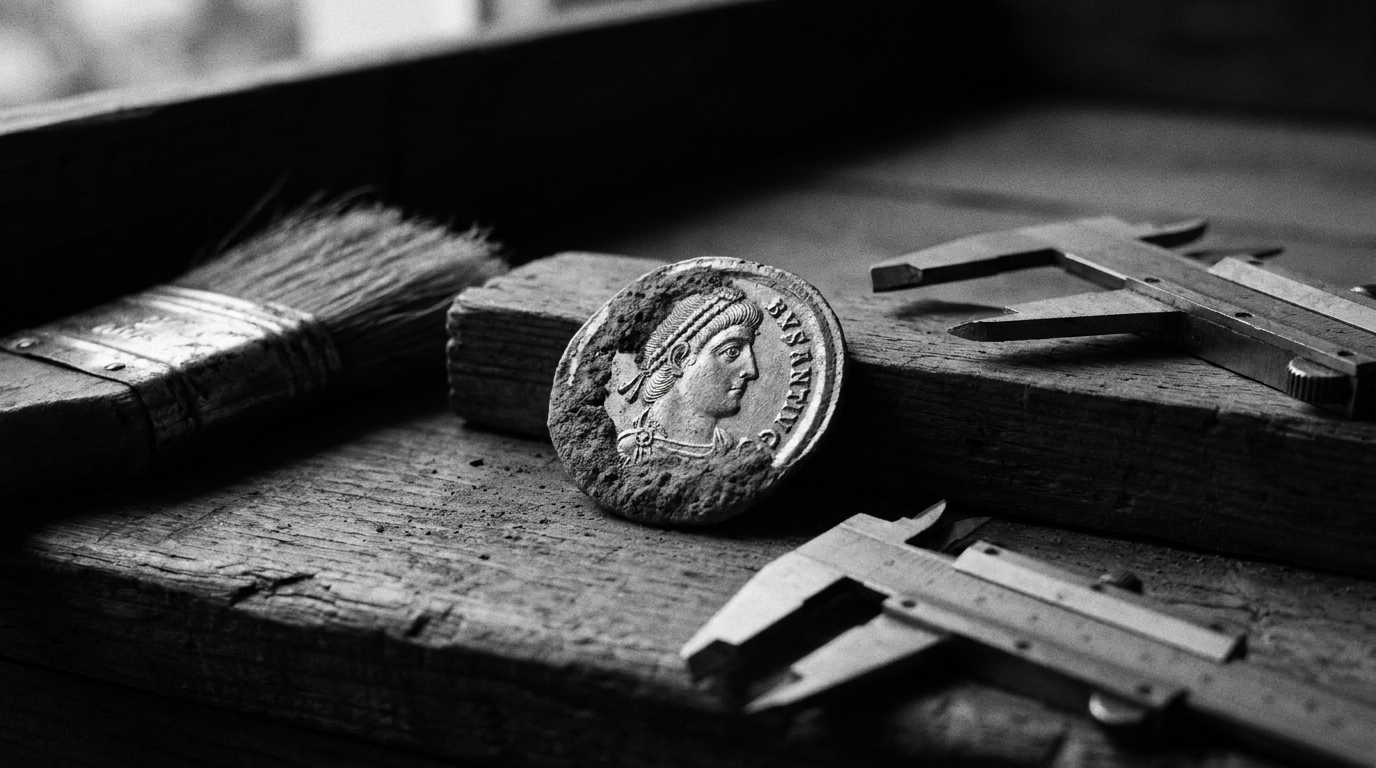
# Byzantine gold finds map a Croatian shipwreck’s hidden story
Archaeologists working off Croatia’s Adriatic island of Mljet say a cache of Byzantine gold artifacts has helped them reconstruct the past of a shipwreck that has been slowly yielding its secrets underwater. The team, using diving gear, has spent about a decade documenting the wreckage and recovering material that can anchor the vessel in time and trade.
Mljet sits in the southern Adriatic along historic
Mljet sits in the southern Adriatic along historic maritime routes that linked the eastern Mediterranean with ports on the Dalmatian coast and onward into central Europe. Shipwrecks in these waters are often difficult to date because currents, storms, and repeated coastal traffic can scatter cargo and break up hull remains.
Byzantine-era objects, especially gold items, can offer clearer chronological and cultural signals than bulk cargo. When such artifacts are recoverable in context, they can help archaeologists connect a wreck to wider economic networks that stretched from imperial centers to regional markets.
Finds tied to the Byzantine world can sharpen understanding of how far
imperial trade and influence reached across the Adriatic, and what kinds of high-value goods moved along these corridors.
If the artifacts can be securely linked to the ship’s final
voyage, they may also help narrow where the vessel sailed from, what it carried, and who financed its cargo.
Beyond academic value
Beyond academic value, well-documented underwater sites influence how coastal states manage heritage protection, tourism, and enforcement against looting. High-value metals are a magnet for illegal salvage, so any announcement of gold-linked discoveries tends to raise the stakes for monitoring and preservation.
By 2026-12-31, watch for a published technical report or museum/regulatory briefing that specifies the artifacts’ dating method, excavation context, and conservation chain of custody. If officials release verifiable lab analyses and site documentation, the wreck’s timeline and trade links should become more precise; if those details remain unpublished, key claims about origin and significance will stay provisional.