Trump Iran attack threat jolts oil and shipping markets
Trump said he is weighing a major Iran strike, escalating risks for oil markets, Gulf shipping and a fragile negotiating path.
Omar Farouk ·
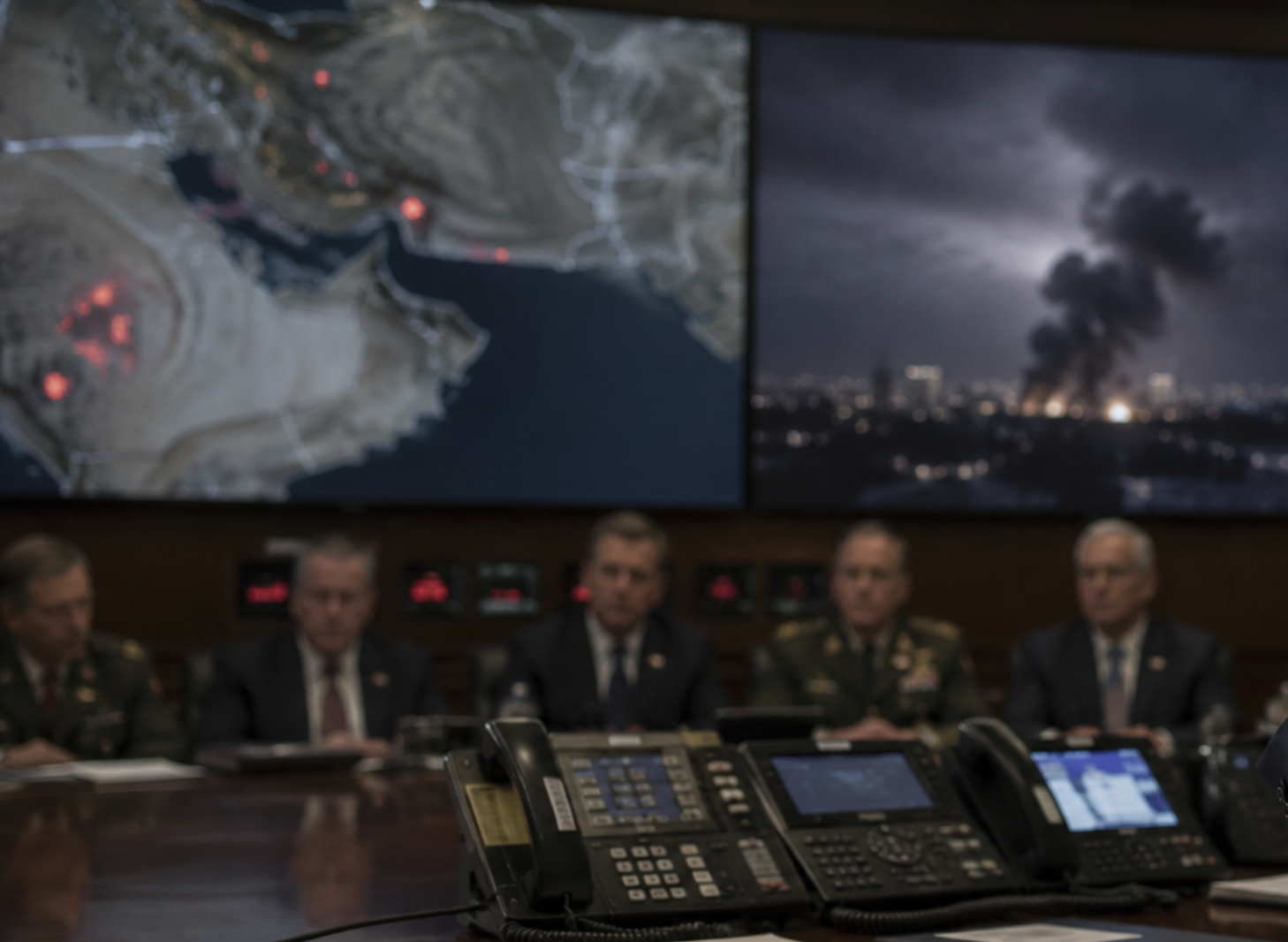
Trump Iran attack risks rose after the president said he is considering strikes to force Tehran into talks, deepening oil and shipping fears.
President Donald Trump said in an interview that he was "close to making a decision" on attacks he described as "bigger than ever before." The remarks put military escalation back at the center of a conflict already weighing on energy costs and commercial shipping.
Trump also said Iran was not ready to make a deal and that "they haven't received enough pain yet," according to the interview account. That language signals a coercive strategy: apply more pressure, then test whether Tehran returns to negotiations from a weaker position.
Hormuz pressure hits energy prices
The timing matters because renewed fighting has already derailed an interim peace arrangement, according to the source account. It also said the Strait of Hormuz, one of the world's most sensitive oil transit routes, has been left nearly shut by the conflict.
The energy impact is already visible in the figures cited in the source material. Oil prices have moved above $100 a barrel, while US retail gasoline prices have climbed past $4 a gallon.
Those levels matter because crude and fuel costs move quickly through household budgets, freight charges and inflation expectations. For governments and central banks, a sustained energy shock can complicate rate decisions by lifting prices while squeezing growth.
Houthi claims widen the conflict
Trump broadened the warning in a Thursday post on Truth Social, threatening "major military punishment" against Iran and the Houthi militant group it supports in Yemen if commercial ships are targeted. That statement links the Iran confrontation directly to maritime security in the Gulf and nearby trade lanes.
The Houthis claimed attacks on Saudi oil tankers this week, according to the source account. If those claims translate into further disruption, the risk is not only higher insurance and rerouting costs; it is also a tighter oil market if tankers avoid exposed routes.
The direct company-level impact is clearest for shipping operators, oil traders and refiners that depend on predictable Gulf flows. Tanker owners may face higher war-risk premiums, while refiners exposed to Middle Eastern crude could see feedstock planning become harder.
For the energy sector, the pressure runs in two directions. Producers outside the conflict zone could benefit from higher prices, while airlines, logistics firms and consumer-facing businesses face margin pressure from fuel costs.
Scenarios for oil and diplomacy
If Trump's threat brings Iran back toward negotiations without a wider military exchange, the macro effect would likely come through lower risk premiums in oil and steadier shipping costs. For Trump, that path would support the argument that pressure created diplomatic leverage; for the energy and shipping industries, it would reduce the need for emergency routing and pricing measures.
If the United States carries out a large strike and Iran or its allies respond against ships or regional energy assets, the mechanism changes sharply. Global macro pressure would come through higher crude prices and weaker confidence, Trump would own a deeper conflict, and the wider industry would face tanker delays, insurance repricing and more volatile fuel costs.
A third path is prolonged threat without decisive escalation or settlement. In that case, the macro drag would come from persistent uncertainty, the Trump administration would face pressure to clarify its red lines, and companies tied to Gulf trade would keep paying for optionality through inventories, hedges and alternative routes.
The main uncertainty is whether Iran, the Houthis or commercial shipping operators change behavior before any US decision. The key risk is miscalculation in or near the Strait of Hormuz, where a single maritime incident can move energy prices faster than diplomacy can contain them.