Bihar to open four minority residential schools Aug 17
Bihar will start four minority residential schools on Aug 17 in Jamui, Nalanda, Kaimur and Muzaffarpur, offering free Class 9–12 boarding.
Mei Lin ·
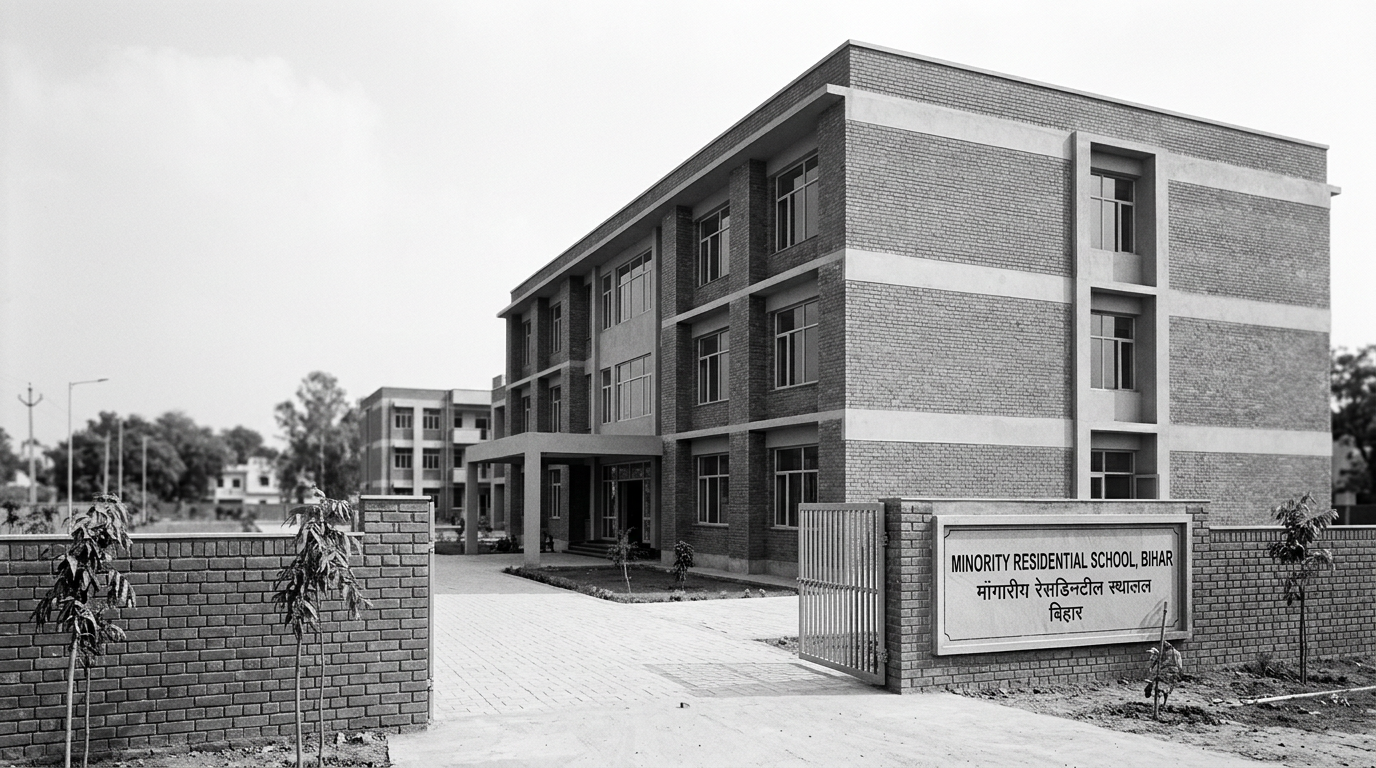
Bihar’s government will begin academic operations on August 17 at four new minority residential schools in Jamui, Nalanda, Kaimur, and Muzaffarpur. Officials said the additions will expand the state’s network of minority residential schools to six.
The new campuses are designed as residential schools that provide free boarding and education for students in Classes 9–12. The rollout adds district-level capacity ahead of the next academic cycle and extends the state’s use of hostels and dedicated schooling to support secondary education access.
New campuses and what they offer
Each of the four institutions will serve Classes 9 through 12, a period that typically includes board examinations and the transition toward college or vocational pathways. The state said the residential format will remove hostel and transport expenses for enrolled students, alongside tuition and schooling costs.
By placing new schools in Jamui, Nalanda, Kaimur, and Muzaffarpur, the state is spreading the model across additional districts rather than concentrating facilities around the capital region. Officials indicated the expansion could also reduce pressure on existing residential schools in nearby areas as more seats become available locally.
Why residential schools are used in Bihar
Education in India is primarily governed at the state level, and residential schooling is one of the tools state governments use to support students facing distance, income, or access constraints. In Bihar, officials have pointed to district geography and uneven school density as challenges that can interrupt attendance at higher grades.
Costs can rise after middle school as travel distances grow and household responsibilities increase, factors that can contribute to students leaving school after Class 8 or Class 10. The state’s approach with free residential schooling aims to address these pressures by keeping students close to classrooms and reducing out-of-pocket expenses for families.
Definition and policy focus on “minority” communities
In Indian policy, “minority” typically refers to constitutionally recognized religious and linguistic communities. States commonly run targeted schemes to respond to documented gaps in enrollment, retention, and completion for specific groups, and Bihar’s residential school program fits within that broader approach.
The government’s stated objective is to widen access to secondary schooling for minority communities through dedicated hostels and schooling infrastructure. The practical impact, if operations start as planned, would be more students able to remain in school through Class 12 without taking on boarding or transport costs.
Key uncertainties around the August 17 start
The near-term test will be whether the four campuses open on August 17 with functioning hostels and enrolled Class 9–12 cohorts. If that timeline holds, Bihar’s minority residential school count will stand at six, strengthening the state’s platform for further replication.
If the start date slips or enrollment is below expectations, the next signals would be whether Bihar adjusts timelines, consolidates intake with existing campuses, or shifts resources to other retention measures. The outcome will shape how the program is managed across districts as the academic year begins.