

Beam Therapeutics Reports Positive Phase 1/2 Data for Sickle Cell Gene Therapy
Beam Therapeutics reported successful Phase 1/2 clinical trial results for its base-edited sickle cell therapy, marking a potential advancement in one-time…
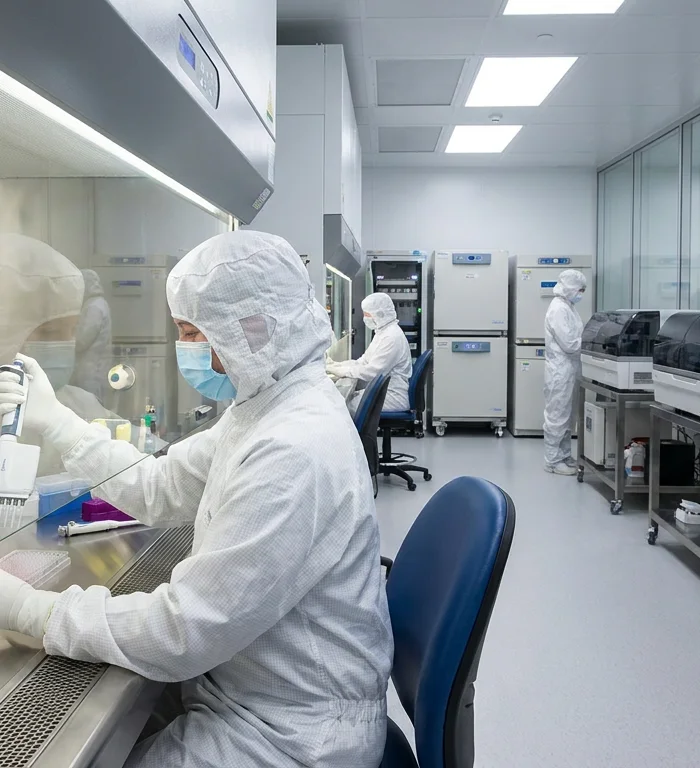
Beam Therapeutics has announced positive clinical trial results for its base-edited cell therapy candidate designed to treat sickle cell disease. The Phase 1/2 study met its primary objectives, demonstrating the efficacy and safety profile of the investigational treatment in the initial patient cohort. This development marks a significant milestone in the company's efforts to bring a one-time genetic intervention to market for patients suffering from this hemoglobinopathy.
The therapy utilizes base-editing technology, a precision gene-editing approach that allows for the direct conversion of one DNA base pair into another without creating double-strand breaks. By targeting the genetic drivers of sickle cell disease, the treatment aims to restore healthy hemoglobin production. The successful trial results suggest that this modality may offer a viable alternative to existing gene-editing therapies currently approved for the condition.
From a regulatory and competitive standpoint, these findings position the company to advance its clinical program toward pivotal trials. The potential for a third one-time therapy in this therapeutic space increases the likelihood of expanded treatment options for patients, though it also intensifies competition within the regenerative medicine sector. Market analysts will monitor the durability of the clinical response and the company's ability to scale manufacturing processes for commercial viability.
Institutional stakeholders should note that while the initial data is favorable, the therapy must still navigate late-stage clinical testing and rigorous regulatory review processes. Future updates will likely focus on long-term safety data and the comparative efficacy of this base-editing approach against established CRISPR-based treatments. Continued monitoring of the company's capital allocation and clinical development timeline is advised as the program progresses toward potential regulatory submission.
More stories
- Dietitians advise small swaps for plant-based eating
- TikTok dementia videos mislead in 66.4% of sample, researchers say
- Aberdeen Royal Infirmary faces police inquiry call over 19 deaths
- Bariatric surgery group loses 28.2% after GLP-1 use
- TOFA boosts mouse energy use 18% while preserving muscle
- ICO probes NHS therapy notes accessible to up to 140,000 staff
- Plant-based dairy swaps may lower iodine intake
- Adults 50 to 64 reach 7.5% heavy-drinking rate
Latest news
- David Parr House to honor Victorian art-workman with blue plaque
- Iran's attacks hit 25 tankers near Strait of Hormuz
- FCC approves prison cellphone jamming despite 2.5-mile warning
- Russia strikes Ukraine as Odesa faces electricity strain
- Bahrain reports two injuries after Iranian aerial attacks
- Congress tests Black Democrats' growing policy influence
- Baltic responders fight Sparta II fire after drone strike
- Europe faces attribution gap after 16 cyber, physical incidents