

Barrack opposes Iran ‘evil regime’ label as Gulf pressure shifts
Thomas Barrack advocated for diplomatic engagement with Tehran, signaling a divergence between private equity interests and the U.S. sanctions regime.
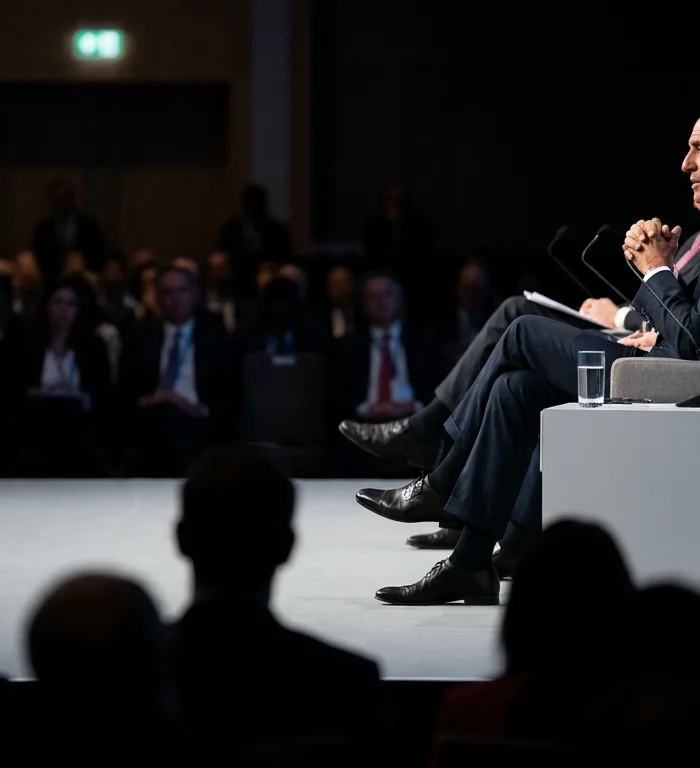
Barrack challenges U.S. containment strategy
Private equity investor Thomas Barrack has publicly rejected the characterization of Iran as an 'evil regime,' instead describing the Islamic Revolutionary Guard Corps as an adversary to be managed through negotiation. His comments come as the U.S. maintains its maximum pressure campaign, which currently restricts activity across five key sectors of the Iranian economy. Barrack’s pivot toward a negotiated settlement highlights an emerging tension between influential financiers with deep Gulf ties and the containment-focused policy favored by Western officials. This rift underscores the competing priorities between Washington's sanctions enforcement and the economic stability sought by regional actors.
Gulf capital seeks regional stability Financial power brokers in the Middle East have Financial power brokers in the Middle East have historically functioned as conduits for Western capital flowing into Gulf sovereign wealth funds. These financiers are now increasingly vocal about the need to integrate Iran into regional trade frameworks to lower the security premiums that currently weigh on Gulf infrastructure projects.
The desire for de-escalation is rooted in the financial stakes held by regional investors. Continued volatility driven by proxy conflicts threatens maritime shipping lanes and critical energy infrastructure, directly impacting the long-term risk profile of regional portfolios.
Macroeconomic stakes of the divide
While Washington continues to lean on restrictive measures
The divergence between U.S. secondary sanctions and Gulf ambitions creates a complex environment for regional banks. While Washington continues to lean on restrictive measures to isolate the Iranian economy, Gulf nations appear to be calculating that economic normalization may offer a more durable path to regional security.
The broader risk remains that if proxy conflicts persist, the security architecture of the region will remain fragile. Investors are now closely monitoring whether these diplomatic overtures by private sector figures will be matched by formal, state-led de-escalation efforts.
More stories
- Germans oppose Ukraine aid as poll shows support slipping
- Kim Jong-un receives 10 envoys after constitutional shift
- Ukraine claims Libya strike sinks Russian naval corvette
- COP31 climate talks collapse over fossil fuels and funds
- Russian military faces 1,087 recorded suicides in Ukraine war
- US faces China, Russia in Africa minerals contest
- Philippine Congress faces scrutiny over two voided budget laws
- Economists see Bank of Japan rate at 1.50% in December
- Starshield limits disrupt Ukraine drones, officials say
- Singapore P2P fares rise 12.3% in August
Latest news
- Trump prepares tariffs on China and other major exporters
- New-car buyers pay record average $50,087 in October
- Banks face ECB reserve debate over liquidity and profits
- Investors see Anthropic debut gains fade below $83 a share
- Iraq orders federal control over Kurdish-area oilfields
- Nvidia shares retreat as AI rally cools before PCE data
- Macy’s parade faces balloon limits as storm winds approach