

Nepal floods Devastate hydropower, kill eight
Flash floods in Nepal’s northern Rasuwa district have caused at least eight deaths and taken 430 MW of hydropower offline, severely impacting infrastructure.
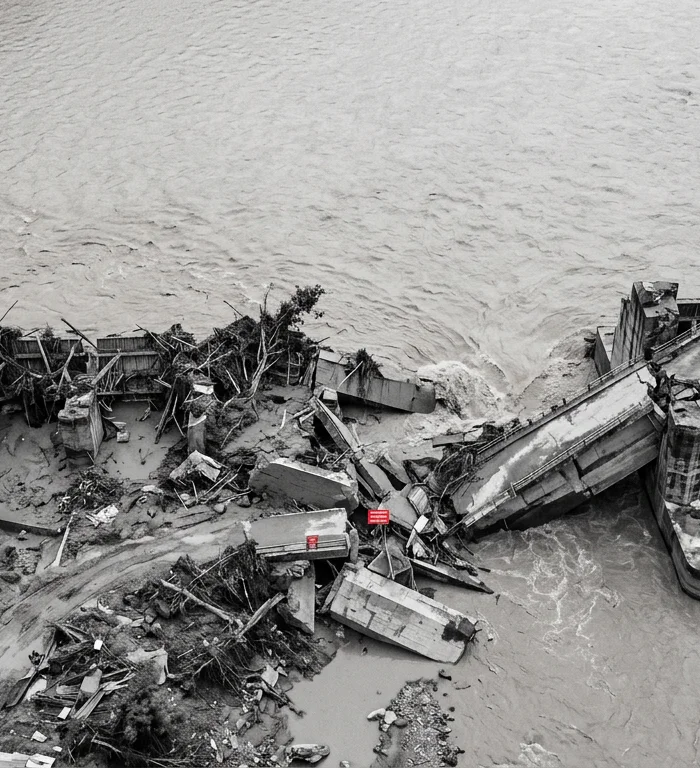
Flash floods in Nepal's northern Rasuwa district have led to at least eight confirmed fatalities and extensive damage to essential infrastructure. Local authorities reported on Wednesday that the disaster, originating in the mountainous region near the Tibetan border, has significantly disrupted power generation and severed critical road access.
The intense monsoon activity triggered the flooding, directly impacting the Nepal Electricity Authority. Approximately 430 megawatts of electricity production capacity are currently offline. This includes damage to both hydropower and solar facilities, leading to widespread power outages across affected areas. The destruction extends to vital transmission and distribution infrastructure.
Infrastructure Damage and Response
Beyond the power sector, the floods have closed major highways, complicating emergency response efforts and hindering aerial rescue operations. The closure of these routes has isolated communities and made it difficult for aid to reach those in need. The Bhote Koshi River, a primary channel for the floodwaters, continues to be a high-risk area, prompting ongoing evacuation efforts for residents to safer, elevated locations.
The Nepal Army and various disaster management teams have initiated comprehensive recovery operations. However, the full scope of property loss and damage is still under assessment, with persistent monsoon conditions posing ongoing challenges. The difficult terrain and continued rainfall are making it arduous for responders to reach all affected regions and conduct thorough evaluations.
Regional Impact and Broader Context
The crisis extends beyond Nepal's borders, impacting neighboring China. Mudslides in the Shigatse region have resulted in casualties and disrupted communications, particularly affecting the Gyirong land crossing. This regional impact underscores the interconnectedness of infrastructure and communities in the Himalayan region, where shared rivers and mountain ranges mean natural disasters often have cross-border implications.
Nepal, heavily reliant on hydropower due to its abundant rivers and mountainous topography, frequently experiences severe impacts from monsoon-related events. The loss of 430 megawatts represents a substantial portion of the nation's energy capacity, potentially leading to prolonged power supply issues and economic disruptions. Such events highlight the vulnerability of critical infrastructure to extreme weather patterns, a growing concern in a region susceptible to climate change impacts.
The nation's energy security and long-term development goals are inherently linked to the resilience of its hydropower infrastructure. Restoring the damaged facilities will require significant investment and coordinated efforts. As monsoon season progresses, authorities remain vigilant, monitoring river levels and weather forecasts to mitigate further risks and protect vulnerable populations.
Long-Term Recovery Challenges
The immediate focus remains on search and rescue operations, providing humanitarian aid, and restoring essential services. However, the longer-term challenge involves rebuilding infrastructure in a way that is more resilient to future climate shocks. This includes reinforcing existing power plants, developing early warning systems, and improving road networks to ensure accessibility during emergencies. The economic fallout from such extensive damage could also hinder local livelihoods and national development projects, making robust recovery strategies paramount.
More stories
- Eisenkot secures first coalition deal but lacks majority
- Germans oppose Ukraine aid as poll shows support slipping
- Kim Jong-un receives 10 envoys after constitutional shift
- Ukraine claims Libya strike sinks Russian naval corvette
- COP31 climate talks collapse over fossil fuels and funds
- Russian military faces 1,087 recorded suicides in Ukraine war
- Saudi nuclear deal heads to Congress with Israel term intact
- Trump tariffs push Canada dispute toward trade reprisals
- Trump: Iran Ceasefire Is Over
- Marine Le Pen ruling lets 2027 bid proceed with monitor
Latest news
- Morocco targets 2030 World Cup final with new stadium bid
- Barclays puts AI bust risk at center of US growth debate
- US inflation reaches 3.8% before December Fed rate meeting
- Türkiye Desk: GTA 6 drains UK mobile spend as Turkish studios feel pressure
- Global stocks fall 0.4% as tariffs and US inflation loom
- CIA hack affects unclassified data; scope remains unclear
- Trump prepares tariffs on China and other major exporters
- New-car buyers pay record average $50,087 in October