

ASEAN and China leave 20% of sea code unresolved before 2027
Singapore inherits the 2027 ASEAN chairmanship with disputes over geography, restraint and enforcement still unresolved despite intensified Manila-led talks.
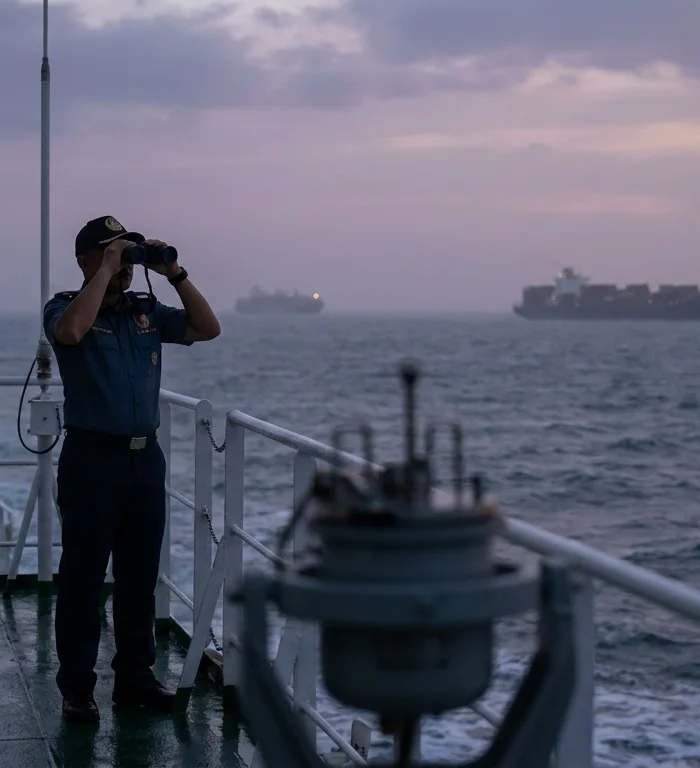
ASEAN and China have provisionally settled 80% of the South China Sea code of conduct text, Collin Koh wrote in a Channel NewsAsia commentary published Nov. 23.
The unresolved 20% matters because Singapore takes the Association of Southeast Asian Nations chair in 2027 after Manila made the code a priority, with shipping risks unresolved across waterways carrying $3 trillion in annual trade, Atlas360 reported Nov. 15.
Koh, of the S Rajaratnam School of International Studies, wrote that Manila, as 2026 ASEAN chair, intensified negotiations but did not secure an agreement at the summit. Secretary-General Kao Kim Hoorn said ASEAN expects talks to conclude next year.
Philippine Foreign Minister Ma Theresa Lazaro also said: “I trust that Singapore will be able to finish the discussions.”
The core dispute is no longer the volume of text. Koh wrote that the remaining portion includes questions over where the code applies and how negotiators define self-restraint in the sea, where China and several ASEAN members have overlapping claims.
For Beijing, Koh wrote, self-restraint includes limits on military exercises with extra-regional actors unless the parties concerned are informed in advance and raise no objection. He said ASEAN members would likely resist any clause that gives China a de facto veto over military cooperation with external partners.
The disagreement echoes an earlier framework. ASEAN and China signed a Declaration of Conduct in 2002 as a precursor to the current code, but Koh argued an open-ended definition would risk differing interpretations and possible breaches.
The legal status of the code remains disputed. Koh wrote that binding language alone would not be enough without ways to monitor compliance, verify conduct, enforce the code and decide which institution handles alleged violations.
A completed code could still be weak if negotiators choose ambiguity to secure agreement. More prescriptive rules could also make consensus harder because parties want flexibility to assert national interests, Koh wrote.
Singapore’s chairmanship now puts the unresolved code before the city-state in 2027, after the Philippines made finishing it a 2026 priority and ASEAN officials publicly pointed to a conclusion next year.
More stories
- Germans oppose Ukraine aid as poll shows support slipping
- Kim Jong-un receives 10 envoys after constitutional shift
- Ukraine claims Libya strike sinks Russian naval corvette
- COP31 climate talks collapse over fossil fuels and funds
- Russian military faces 1,087 recorded suicides in Ukraine war
- US faces China, Russia in Africa minerals contest
- Iran's attacks hit 25 tankers near Strait of Hormuz
- Russia strikes Ukraine as Odesa faces electricity strain
- Johor-Singapore SEZ draws projects tied to 28,755 jobs
- Nigeria state police plan wins 30 assembly endorsements
Latest news
- Trump prepares tariffs on China and other major exporters
- New-car buyers pay record average $50,087 in October
- Banks face ECB reserve debate over liquidity and profits
- Investors see Anthropic debut gains fade below $83 a share
- Iraq orders federal control over Kurdish-area oilfields
- Nvidia shares retreat as AI rally cools before PCE data
- Macy’s parade faces balloon limits as storm winds approach