

Global Hunger Trends Threaten 2030 Development Goals Amid Economic Instability
Rising global hunger and the high cost of nutritious diets threaten 2030 development goals, with the pandemic expected to push up to 132 million more people…
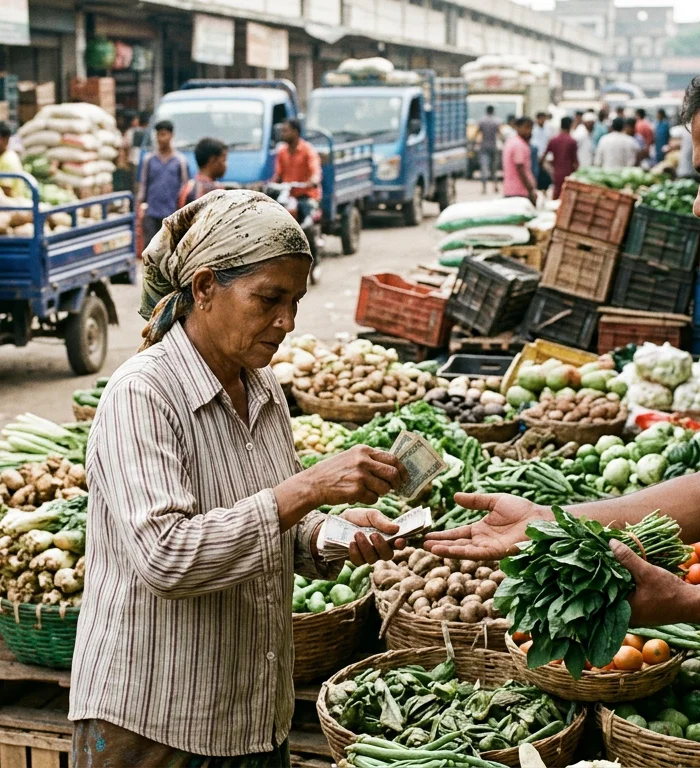
Global progress toward the 2030 Zero Hunger objective has stalled, with chronic undernourishment rising steadily since 2014. Current data indicates that approximately 690 million people experienced hunger in 2019, an increase of 60 million over a five-year period. While Asia currently accounts for the highest absolute number of undernourished individuals at 381 million, Africa exhibits the highest regional prevalence at 19.1% and is projected to host over half of the world’s chronically hungry population by 2030.
The economic recession triggered by the COVID-19 pandemic is expected to exacerbate these trends significantly. Projections indicate that between 83 million and 132 million additional people could face chronic hunger by the end of 2020. This shift highlights systemic vulnerabilities in global food supply chains, production, and distribution networks, further complicating the feasibility of meeting international development targets.
In sub-Saharan Africa and southern Asia
Beyond caloric intake, the affordability of nutritious food remains a critical institutional and public health challenge. A healthy diet is estimated to cost at least five times more than a starch-heavy diet, rendering nutritious options inaccessible to over 3 billion people globally. In sub-Saharan Africa and southern Asia, 57% of the population cannot afford a healthy diet, contributing to persistent rates of stunting, wasting, and obesity.
The economic implications of these dietary trends are substantial. Health-related costs associated with unhealthy diets are projected to reach $1.3 trillion annually by 2030, while diet-related social costs from greenhouse gas emissions are estimated at $1.7 trillion. Analysts suggest that a systemic transformation of food supply chains to lower the cost of nutrient-rich foods could mitigate these long-term fiscal burdens. Failure to address these structural inefficiencies poses significant risks to global economic stability and public health governance.
More stories
- Dietitians advise small swaps for plant-based eating
- TikTok dementia videos mislead in 66.4% of sample, researchers say
- Aberdeen Royal Infirmary faces police inquiry call over 19 deaths
- Bariatric surgery group loses 28.2% after GLP-1 use
- TOFA boosts mouse energy use 18% while preserving muscle
- ICO probes NHS therapy notes accessible to up to 140,000 staff
Latest news
- David Parr House to honor Victorian art-workman with blue plaque
- Iran's attacks hit 25 tankers near Strait of Hormuz
- FCC approves prison cellphone jamming despite 2.5-mile warning
- Russia strikes Ukraine as Odesa faces electricity strain
- Bahrain reports two injuries after Iranian aerial attacks
- Congress tests Black Democrats' growing policy influence
- Baltic responders fight Sparta II fire after drone strike
- Europe faces attribution gap after 16 cyber, physical incidents