Ebola Response Hampered by Insurgent Activity in DRC
An Ebola outbreak in the DRC is a global emergency, with insurgent activity significantly impeding containment efforts and increasing risk.
Lauren Collins ·
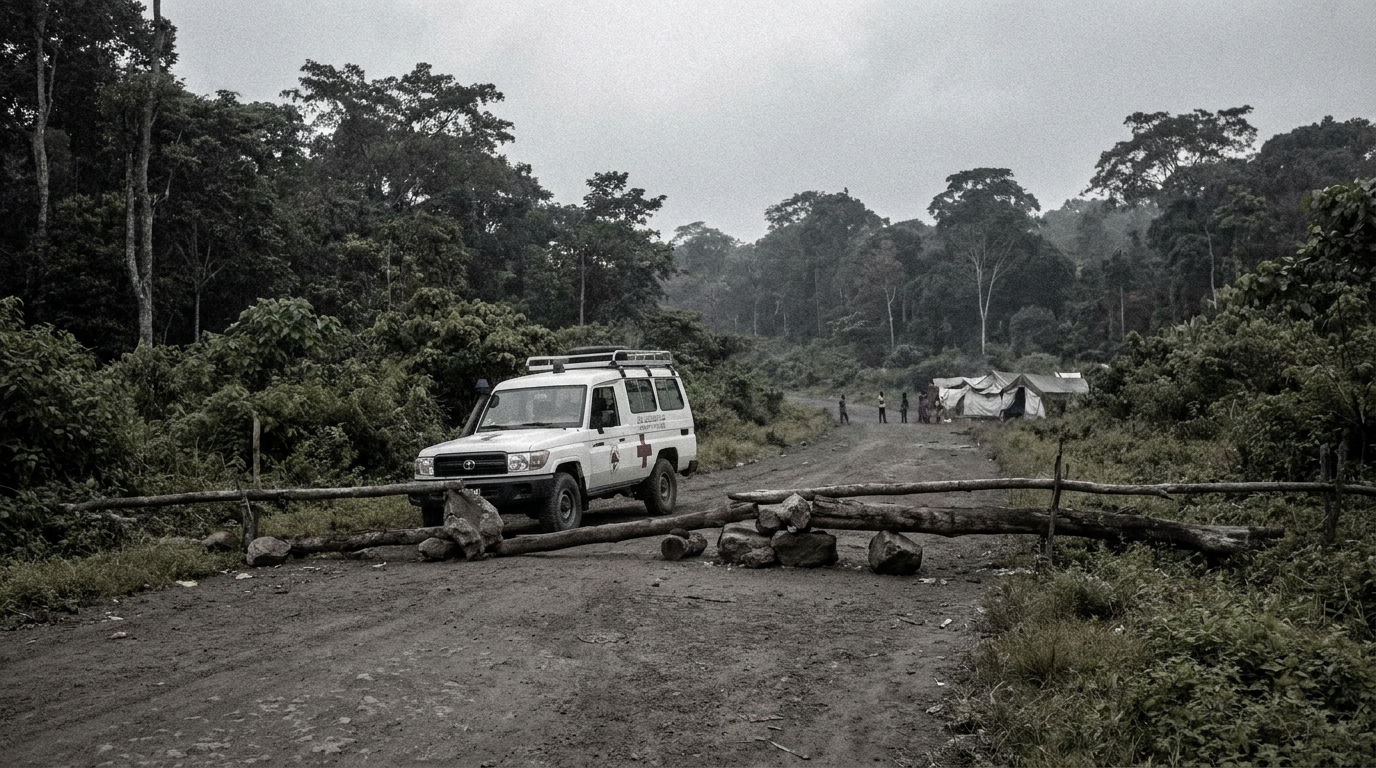
The Ebola outbreak in the Democratic Republic of Congo (DRC) has been declared a global emergency by the World Health Organization. Confirmed cases have exceeded 500, with at least 131 fatalities, making it one of the largest recorded Ebola epidemics in the region.
Insurgent groups, including elements identified as Islamic State affiliates, are actively hindering public health efforts to contain the virus. Their presence and actions impede access for medical teams and disrupt critical response operations.
This interference exacerbates the public health crisis, increasing the risk of wider transmission and complicating international aid efforts. The security situation directly impacts the efficacy of disease control measures.