

Aref puts Iran-Tajikistan trade growth at 50%
The Sunday Guardian reported first-half trade of $254.3 million in 2026, with Tehran and Dushanbe pursuing a $1 billion target by 2030.
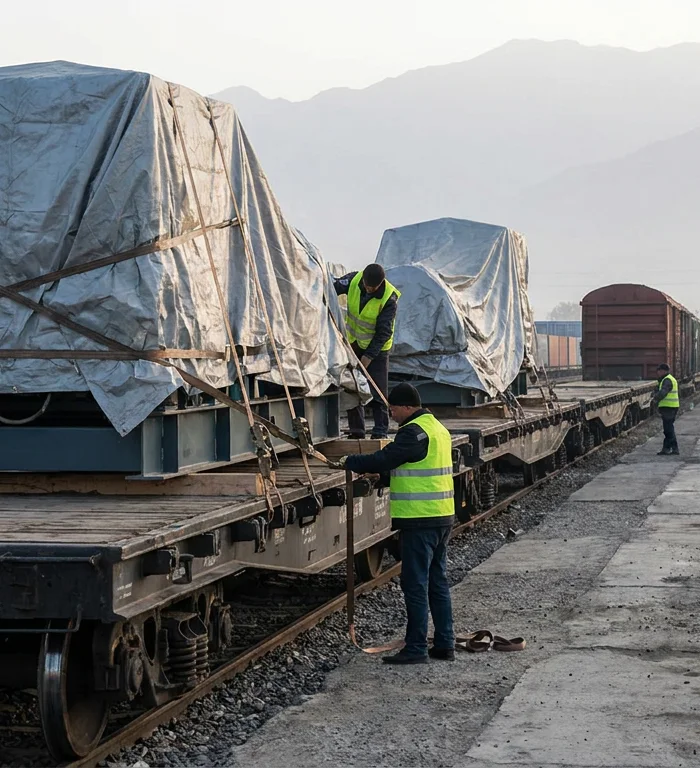
Iran’s First Vice President Mohammad Reza Aref said on Oct. 20 that Iran-Tajikistan trade rose 50% in the first quarter of 2026, The Sunday Guardian reported.
The newspaper said bilateral trade reached $254.3 million in the first half of 2026, up 14.8% from 2025, as both governments aim for $1 billion by 2030.
Aref made the remarks after discussions with Tajik President Emomali Rahmon, the report said. He presented the increase as evidence that commercial ties were expanding despite regional war conditions.
The talks covered economic access, security coordination and cultural links, according to the report. The two governments discussed cooperation through the Shanghai Cooperation Organisation on transit corridors, counterterrorism, border security, counter-narcotics and Afghanistan-related issues.
The newspaper said the economic agenda included linking landlocked Tajikistan to international maritime routes through Iran’s Persian Gulf ports. It also cited a cotton value-chain project and a venture with Iranian firm Tajiran to assemble tractors and agricultural machinery in Tajikistan.
Energy was described as a driver of the trade increase. The report said Iranian crude oil and petroleum products began moving directly into Tajikistan in late August 2026, after Tajikistan had historically relied on Russia for more than 91% of its fuel imports.
The article said the corridor carries sanctions risk because of U.S. restrictions on Iran’s petroleum sector. It also said Iran, Tajikistan and Afghanistan signed a trilateral transit agreement in July 2026 to move Iranian commercial cargo overland through Afghan territory into Tajikistan.
The supplied report did not include underlying customs data or a full transcript of Aref’s remarks. Its references to possible dual-use trade and sanctions-evasion concerns were attributed to outside speculation rather than official findings in the text.
Beyond commerce, the report said Aref proposed a “Union of Persian-Speaking Countries and Regions” and that the two sides backed work on Persian literature, tourism, education and a joint technology centre. It described the engagement as a reversal from a 2015-2019 diplomatic freeze.
Source: news article, The Sunday Guardian, Oct. 20, 2026
More stories
- Germans oppose Ukraine aid as poll shows support slipping
- Kim Jong-un receives 10 envoys after constitutional shift
- Ukraine claims Libya strike sinks Russian naval corvette
- COP31 climate talks collapse over fossil fuels and funds
- Russian military faces 1,087 recorded suicides in Ukraine war
- US faces China, Russia in Africa minerals contest
- Malaysia TVET entrants rise 30% in high-skills push
- Thai police arrest 39 in Cambodia-linked laundering probe
- Godongwana faces 80% debt test in budget update
- Georgia faces surrogacy scrutiny after 1,100 births in 2023
Latest news
- Trump prepares tariffs on China and other major exporters
- New-car buyers pay record average $50,087 in October
- Banks face ECB reserve debate over liquidity and profits
- Investors see Anthropic debut gains fade below $83 a share
- Iraq orders federal control over Kurdish-area oilfields
- Nvidia shares retreat as AI rally cools before PCE data
- Macy’s parade faces balloon limits as storm winds approach